As global trade tensions evolve in 2026, the United States has announced a new tariff regime targeting imports from Nicaragua in response to ongoing labor and human rights concerns. The Office of the U.S. Trade Representative (USTR) confirmed that phased tariffs on Nicaraguan goods not covered by the Dominican Republic‑Central America‑U.S. Free Trade Agreement (CAFTA‑DR) will take effect starting January 1, 2026.
Under the new structure, additional tariffs will be applied gradually: 0% in 2026, 10% in 2027, and rising to 15% in 2028 on non‑CAFTA‑DR qualifying products. These duties will stack on current tariffs, including an existing 18% “reciprocal” tariff the U.S. already imposes on many Nicaraguan imports.
The move follows a Section 301 investigation that found Nicaragua engaged in practices the USTR described as restricting U.S. commerce due to “labor rights abuses, human rights violations, and erosion of the rule of law.” The USTR’s final report detailed issues such as limitations on freedom of association, forced and child labor, and systemic repression of independent unions.
Industry groups have weighed in on the trade action. The American Apparel & Footwear Association (AAFA) expressed support for the USTR’s decision, particularly for excluding goods that qualify under CAFTA‑DR rules, while urging continued monitoring to minimize disruption for compliant supply chains.
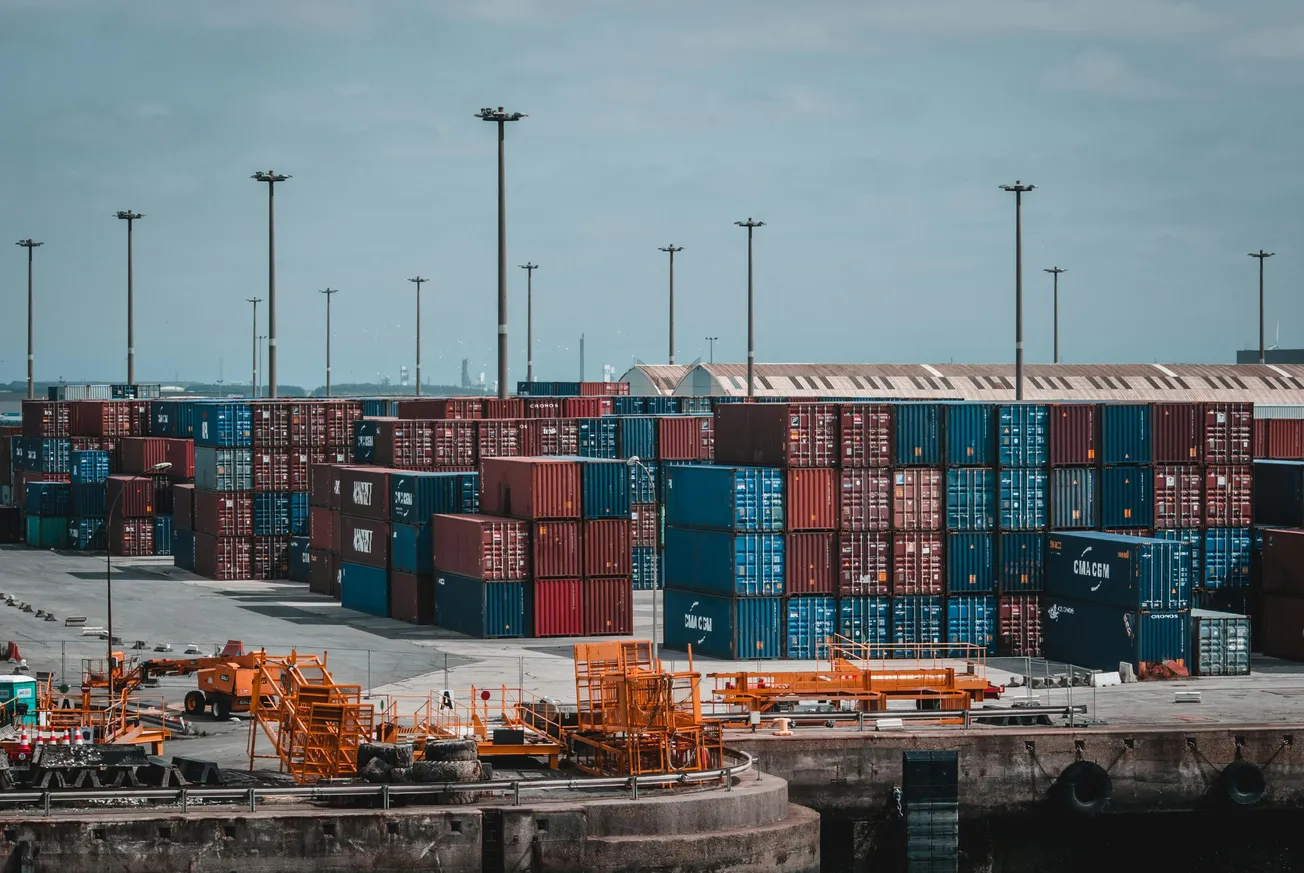
However, the tariffs also introduce new challenges for supply chain managers and importers. With higher duties looming, companies relying on Nicaraguan suppliers must evaluate how these changes could affect sourcing costs, pricing structures, and logistics planning.
This is especially true given that tariffs will increase annually over the next few years, adding pressure to already tight global supply networks.
Some analysts note that while Nicaragua accounts for a relatively small portion of total U.S. imports, the impact could be felt in textiles, apparel, and consumer goods — categories with integrated regional supply chains.
Businesses may need to assess origin compliance and alternative sourcing strategies to mitigate tariff exposure, especially for goods that do not fall under CAFTA‑DR protections.
As policymakers emphasize human rights in trade enforcement, the evolving tariff landscape underscores how economic policy is increasingly intertwined with social and ethical considerations, and how multinational supply chains must adapt to shifting geopolitical priorities in 2026.