Holiday Budgets Tighten
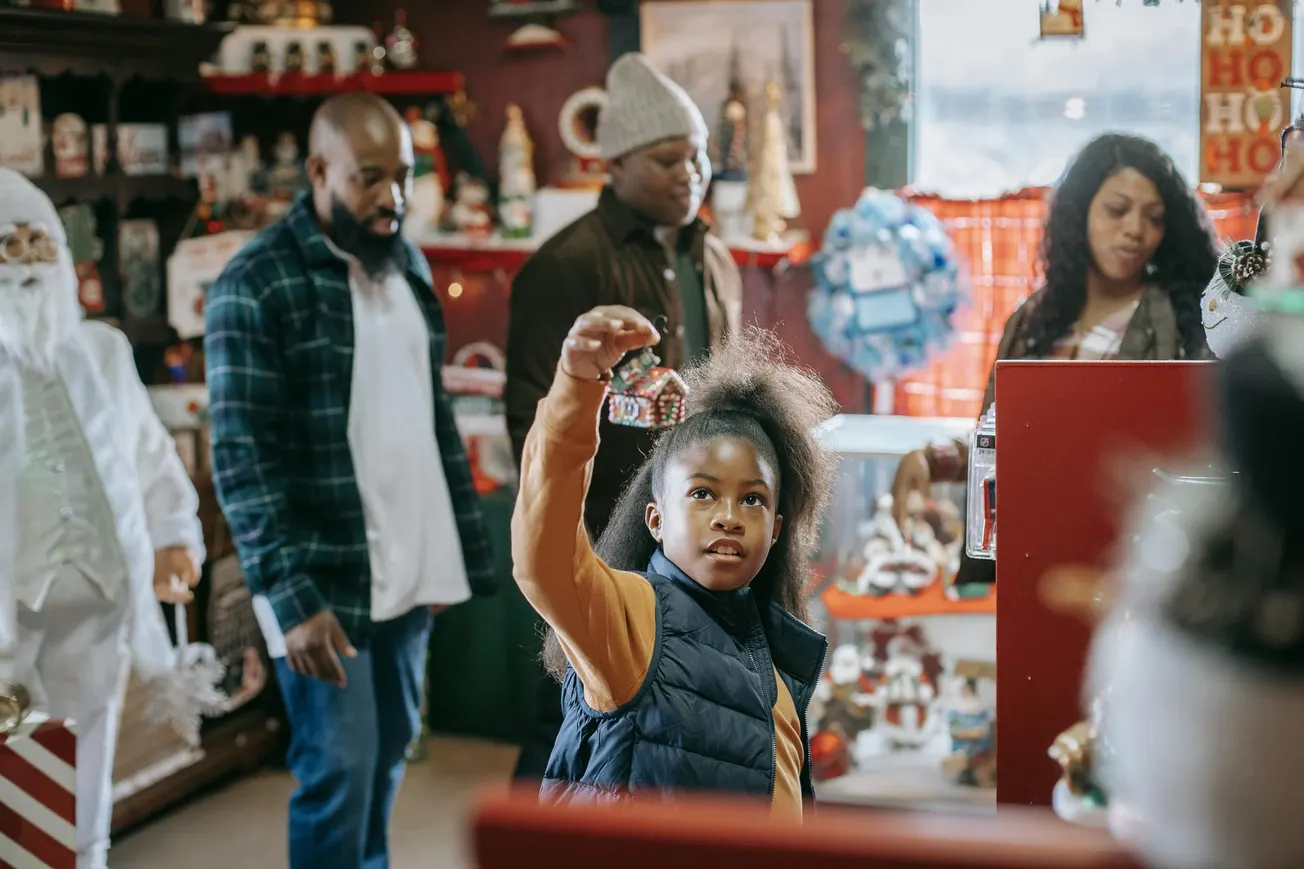
As the 2025 holiday season wraps up, American consumers are approaching the holidays with caution, reflecting concerns about the economy, personal finances, and rising costs. An AP-NORC poll reveals that approximately half of U.S. adults find it harder than usual to afford gifts for family and friends this year.
Shifting Spending Habits
The survey also indicates that many households are adjusting spending habits, with a sizable portion planning to slash big-ticket purchases and scale back on essential goods. This behavior signals a tightening of budgets and reflects the ongoing challenges faced by Americans in a year marked by inflationary pressures and economic uncertainty.
Economic Pressures Impacting Shoppers
Experts point to several factors influencing this cautious sentiment. Interest rate hikes over the past year have increased borrowing costs for credit cards and mortgages, while persistent price increases in groceries, fuel, and utilities have further strained household budgets.
These pressures are reshaping traditional holiday shopping patterns, encouraging consumers to prioritize essentials and focus on value-driven purchases.
Retailers Adapt to Changing Behavior
Retailers are noticing these shifts firsthand. Chains across sectors report higher use of coupons, promotions, and discount programs, while e-commerce platforms are seeing shoppers comparing prices more carefully and opting for smaller, thoughtful gifts rather than luxury items.
Analysts suggest that retail strategies emphasizing affordability, bundled deals, and targeted marketing may help mitigate declining consumer confidence.
Looking Ahead to 2026
Looking toward 2026, economists warn that while holiday spending may stabilize, consumers’ focus on financial prudence is likely to persist, especially if inflation pressures or interest rates remain elevated.
For retailers, understanding these behavioral trends will be critical to planning inventory, promotions, and pricing strategies for the year ahead.
The 2025 holiday season underscores the fragility of consumer confidence. While many Americans still plan to celebrate and exchange gifts, budget constraints and cautious spending are shaping a more pragmatic and economically aware shopping season heading into 2026.