
A key gauge of American consumer confidence strengthened modestly in February, according to the University of Michigan’s monthly Surveys of Consumers, signaling incremental improvements in national economic sentiment after months of stagnation. Despite the advance, widespread concerns over high prices and the risk of job loss continue to temper household optimism.
Sentiment Index Rises, Still Below Year-Ago Levels
The preliminary University of Michigan Consumer Sentiment Index rose to 57.3 in February from 56.4 in January, beating expectations of a lower reading around 55.0 and marking the third consecutive monthly increase. This outcome represents the highest sentiment level since August 2025 but remains significantly below levels from a year earlier.
The readings reflect slight improvements in how households view their current finances and broader economic conditions, though the gains have been modest and within the margin of error. According to the survey’s director, Joanne Hsu of the University of Michigan’s Institute for Social Research, the overall sentiment level “remains very low from a historical perspective.”
Consumer Expectations and Inflation Views
Breakdowns from the survey show mixed trends in consumer expectations:
- Current Economic Conditions improved more noticeably, rising to 58.3 from 55.4.
- Index of Consumer Expectations dipped slightly to 56.6, suggesting cautious views toward future conditions.
- Year-ahead inflation expectations softened to around 3.5%, the lowest level since early 2025, though still above pre-pandemic norms. Long-term inflation expectations inched up modestly.
These inflation expectations are closely watched by policymakers at the Federal Reserve, who aim to anchor inflation beliefs as part of broader monetary policy objectives.
Persistent Pocketbook Concerns
Despite the slight improvement in sentiment, American households continue to grapple with inflation’s impact and labor market uncertainty:
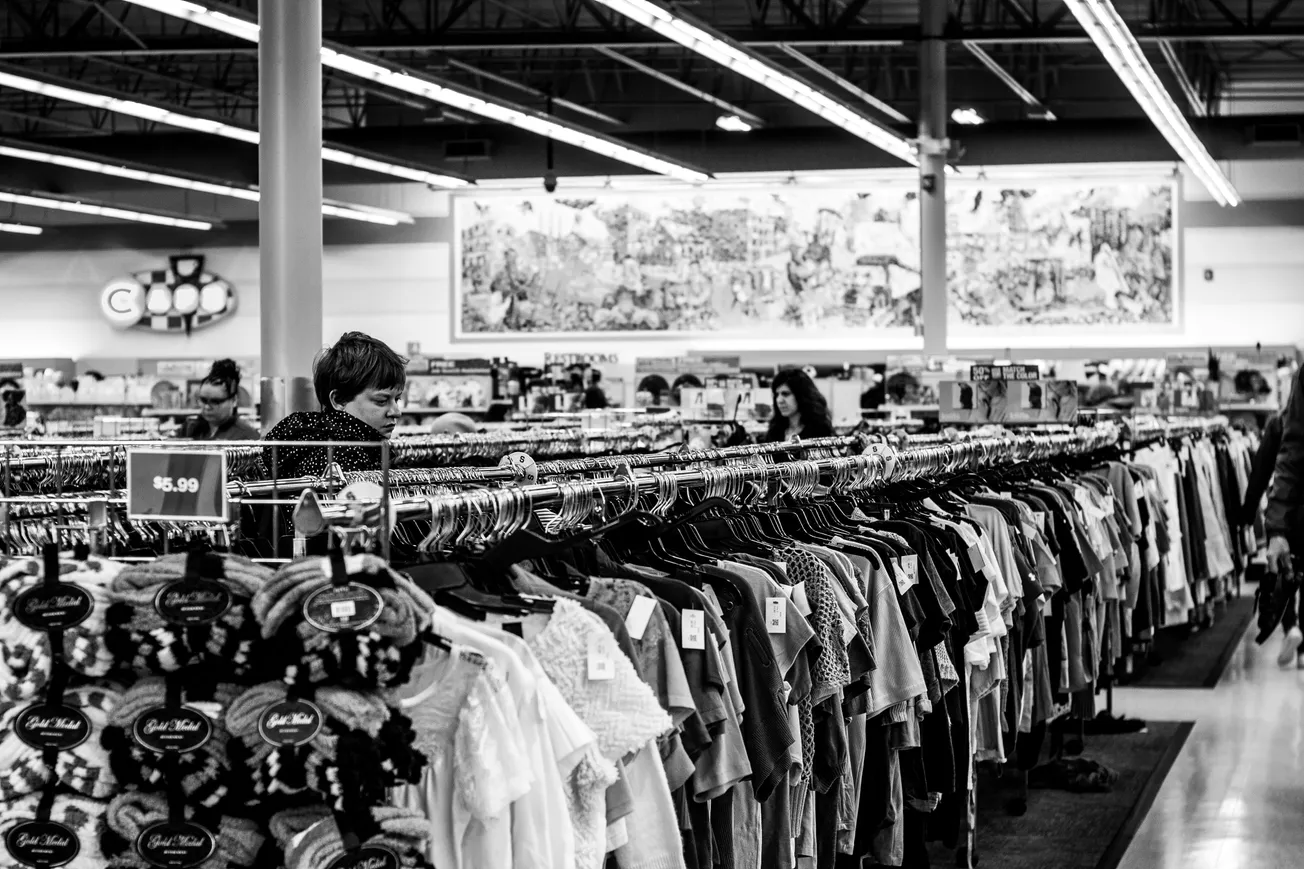
High Prices: A broad share of consumers cited ongoing price pressures as eroding their purchasing power, particularly for essentials and big-ticket purchases — a theme consistent across recent surveys.
Job Security Fears: Elevated concerns about potential job loss or a weakening labor market remain widespread, with many households reporting anxiety about employment prospects in the year ahead.
Joanne Hsu highlighted that even though sentiment has improved from recent lows, “concerns about the erosion of personal finances from high prices and elevated risk of job loss continue to be widespread.”
Implications for the Broader Economy
Consumer sentiment is a widely monitored barometer of future spending — a critical component of the U.S. economy, as consumer expenditures account for roughly two-thirds of GDP. While the February uptick offers some encouragement, the overall index level remains subdued compared to historical averages, underscoring caution in household economic behavior.
Markets and policymakers will continue to monitor these sentiment trends closely, especially as they relate to inflation expectations, labor market conditions, and consumer willingness to spend. The final, revised sentiment figures for February are expected later in the month, providing a more complete picture of household economic perceptions.
More about consumers:
 Staff Report
 Staff Report
 Staff Report