The United States and Bangladesh have signed a landmark reciprocal trade agreement that significantly changes the tariff landscape for bilateral commerce, particularly benefiting Bangladesh’s vital apparel export sector.
The pact, finalized on February 9, 2026, lowers U.S. tariffs on Bangladeshi goods to a flat 19% and includes mechanisms for zero-tariff treatment on certain products, marking a strategic step for both countries in strengthening trade and supply chain ties.
Key Terms of the Agreement
Under the new Agreement on Reciprocal Trade, the United States agreed to lower its “reciprocal tariff” on imports from Bangladesh to 19%, a significant reduction from tariffs that had previously stood as high as 37% before being lowered to 20% last year. This tariff framework will apply broadly, with special exemptions allowing certain textile and apparel imports from Bangladesh to enter the U.S. market duty-free when they meet criteria tied to U.S. raw material use.
In return, Bangladesh has committed to expanding market access for U.S. industrial and agricultural products, aligning product standards (such as vehicles and medical devices), and addressing non-tariff barriers that had limited bilateral trade. Both countries also agreed to enhance cooperation on export controls, anti-corruption, and investment transparency—measures designed to deepen economic ties and support predictable commerce.
Impact on Bangladesh’s Export-Driven Economy
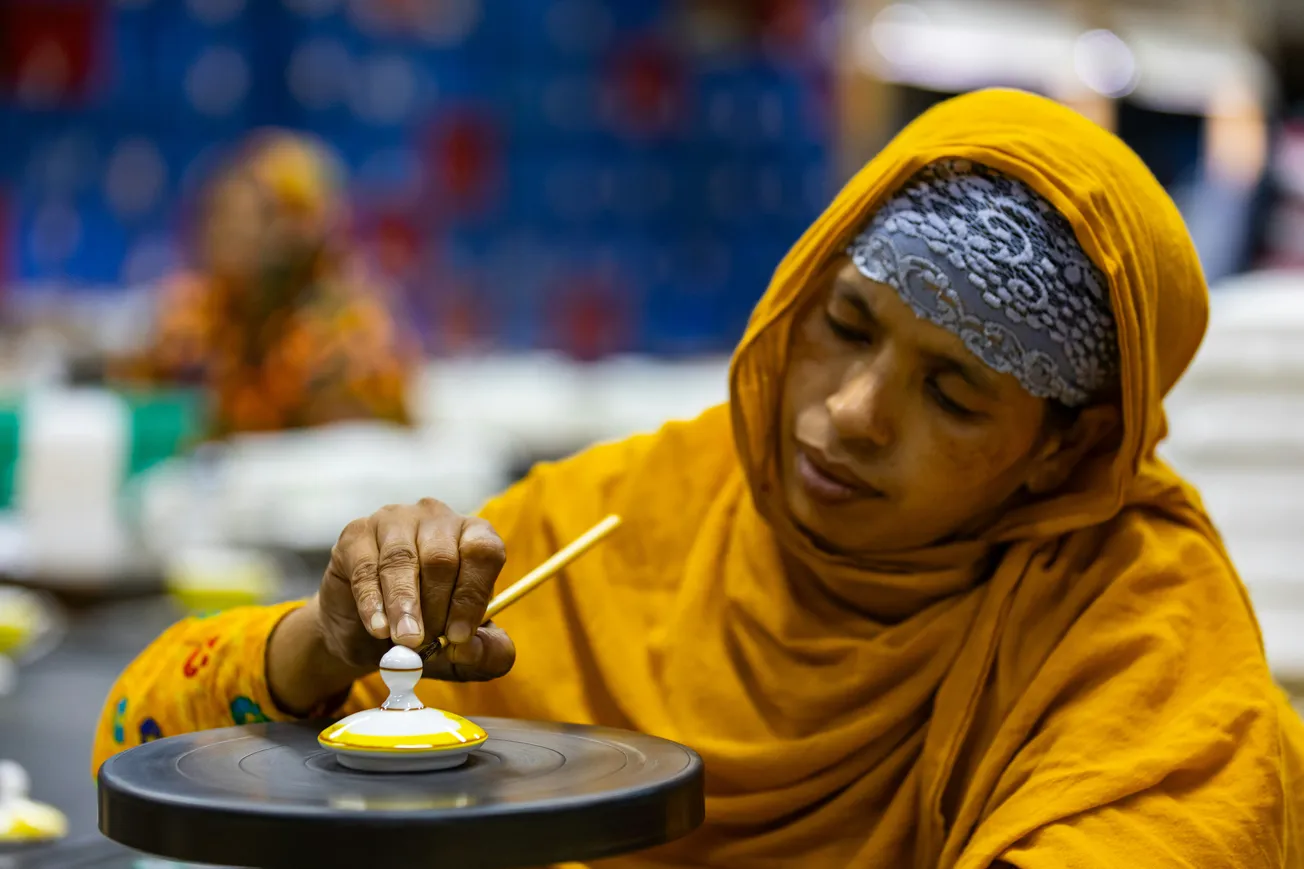
Bangladesh is the world’s second-largest exporter of ready-made garments, with the United States as one of its most important markets. The textile and apparel sector accounts for a large share of export earnings and employment. The lower tariff rate and duty-free exemptions for certain goods are expected to bolster Bangladesh’s competitiveness, particularly for knitted garments and products manufactured with U.S. inputs.
Industry leaders in Bangladesh have hailed the deal as a positive signal for investors and exporters, noting that predictable trade costs and improved market access enhance the country’s attractiveness in global supply chains. The agreement could also encourage deeper integration with U.S. suppliers, enabling Bangladeshi manufacturers to import more raw materials and intermediate goods—such as cotton and fibers—while exporting finished products tariff-free.
Competitive Ripples Across South Asia
The agreement has also drawn scrutiny and concern in neighboring markets. Indian textile stakeholders warned that Bangladesh’s new duty-free status for certain products could erode India’s competitive edge in the U.S. market, even though India’s overall tariff rate under its own trade framework with the U.S. is slightly lower at 18%. Bangladeshi advantages tied to U.S.-sourced inputs could shift export dynamics, potentially affecting market share for Indian exporters.
Reports of stock declines among Indian textile companies following the announcement—reflecting investor anxiety over the changing competitive environment—highlight the broader regional implications of the deal.
Strategic and Supply Chain Significance
From a supply chain perspective, the reciprocal agreement signals a shift toward more structured, long-term trade cooperation between the United States and Bangladesh. For U.S. companies, it provides more stable access to one of the world’s most dynamic apparel manufacturing hubs. For Bangladeshi firms, the deal delivers tariff certainty and the potential to expand production serving U.S. retailers and brands.
The pact is also notable as the first such reciprocal agreement between the United States and a South Asian country, reflecting evolving U.S. trade policy priorities focused on market access, supply chain resilience, and regulatory alignment in key partner markets.
Looking Ahead
The agreement will go into force after both countries complete internal formalities, and its full effects will unfold across global supply chain networks in the coming months and years. Observers expect that reduced trade barriers could stimulate increased exports, strengthen industrial linkages, and drive investment activity in Bangladesh—particularly in sectors tied to apparel and related manufacturing.
At the same time, regional competitors are reassessing their trade strategies as shifts in tariff regimes alter cost structures and sourcing decisions. The implications for labor-intensive sectors, global apparel supply chains, and bilateral commerce are likely to be significant as the new agreement anchors deeper U.S.-Bangladesh economic integration.
More about tariffs:
 Staff Report
 Staff Report
 Staff Report