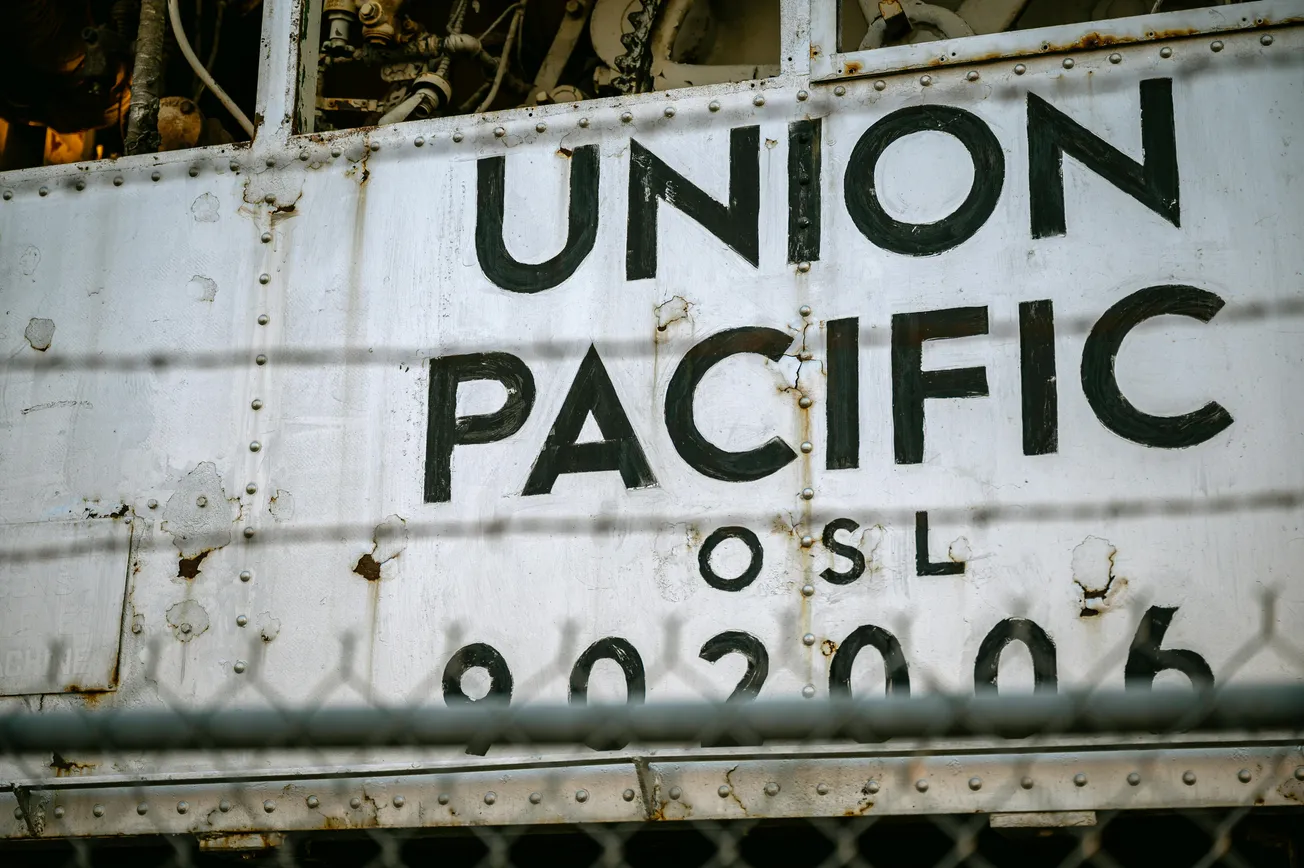
On track toward a major shake‑up in U.S. freight logistics: the planned merger between Union Pacific (UP) and Norfolk Southern (NS) is poised to reshape long‑haul trucking volumes — with potential ripple effects across retail supply chains.
A Transcontinental Railroad — And a Blow to Long‑Haul Truckers
If approved, the merger would create the first true coast‑to‑coast freight rail network in the United States: more than 50,000 route miles spanning 43 states and connecting roughly 100 ports across the country.
That single‑line network promises improved efficiency by eliminating many of the interchange points — long the bottleneck for rail freight.
Industry analysis now predicts that this streamlined rail option could siphon off a significant share of long‑haul, over‑the‑road (OTR) trucking freight. For carriers hauling across long distances, rail may become a cheaper, faster alternative — which could reduce demand for traditional long‑haul trucking.
Winners: Drayage, Short‑Haul & Intermodal Partnerships
Not all trucking will shrink. Experts say smaller players — especially drayage companies handling short‑haul moves to and from rail yards — may see increased demand, as more freight shifts from highway to rail.
Likewise, fleets already integrated with intermodal networks may benefit. The merger could prompt increased use of rail‑truck combinations, where rail covers long‑haul distance and trucks manage first‑ and last‑mile delivery.
Retail & Supply‑Chain Implications: Faster, Cheaper, More Reliable Freight — If It Works
For retailers and omnichannel businesses — including heavy users like Walmart — a coast‑to‑coast rail network could translate into lower transportation costs, faster replenishment cycles, and improved resilience, especially for long‑distance routes. Fewer handoffs and delays at traditional choke points (like Chicago or New Orleans) would make supply chains more agile.
That said, the merger is under review by the Surface Transportation Board (STB), which will assess whether the deal preserves competitive balance and serves the public interest.