
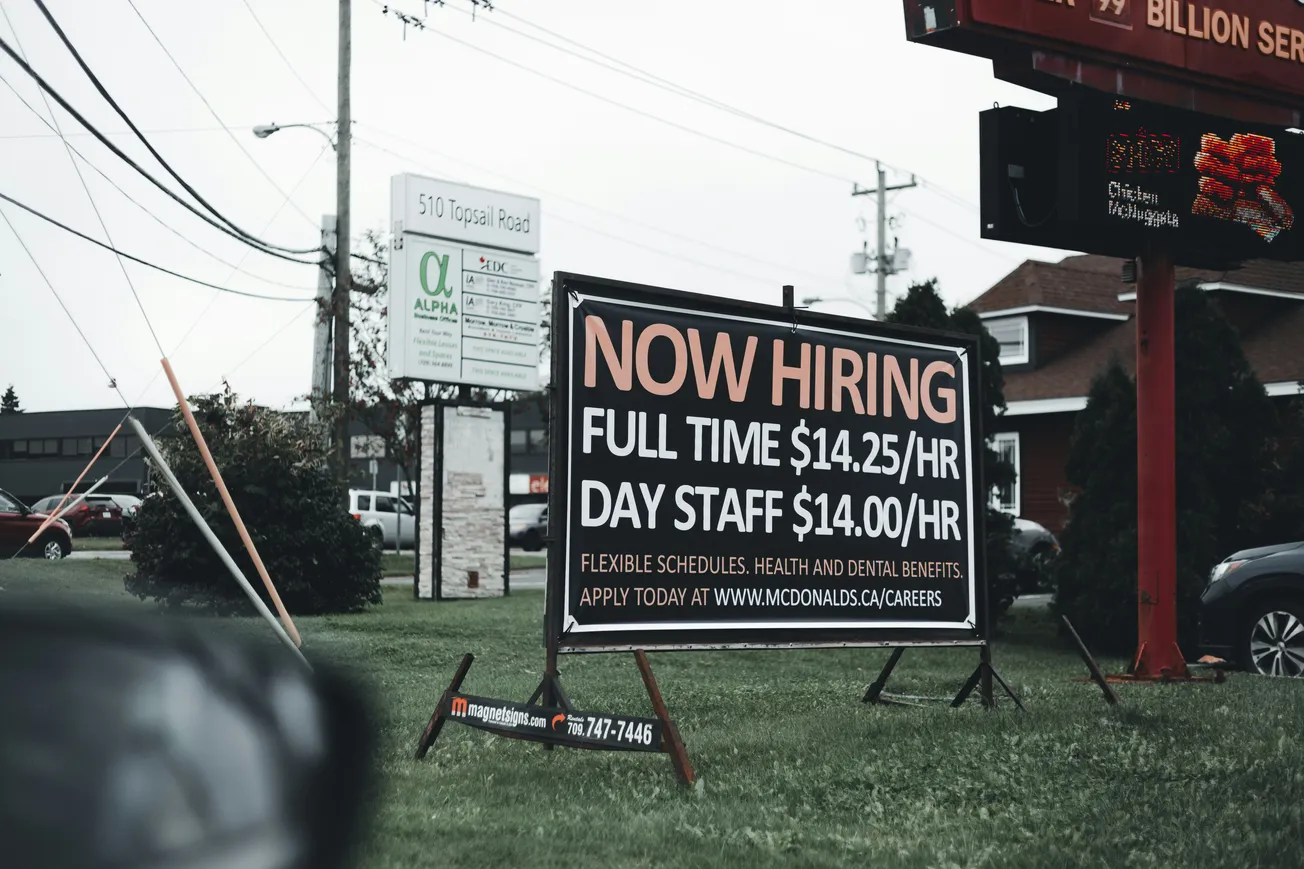
The United States labor market experienced a significant and unexpected contraction in February 2026, with the Bureau of Labor Statistics (BLS) reporting a loss of 92,000 jobs. This figure stands in stark contrast to the gain of approximately 50,000 jobs that many economists had anticipated.
The report, which also noted a rise in the unemployment rate to 4.4%, suggests a cooling economy facing headwinds from geopolitical tensions and shifting trade policies. For the Bentonville business community and global retail leaders, these numbers highlight a critical moment for strategic recalibration within the omnichannel ecosystem.
Sector-Specific Impacts and Supply Chain Friction
While the headline number indicates a broad slowdown, a closer look at industry-specific data reveals targeted areas of concern for the retail and logistics sectors. The transportation and warehousing industry, a cornerstone of the global supply chain, saw a decline of 11,000 jobs. Within this segment, couriers and messengers experienced a loss of 17,000 positions, partially offset by modest gains in air transportation. These fluctuations reflect a broader trend of "slow hiring, slow firing" as companies navigate muted consumer demand and rising operational costs.
The manufacturing sector also faced challenges, shedding 12,000 jobs in February. This marks a continued slide for an industry that has seen job losses in 14 of the last 15 months. For omnichannel retailers, these manufacturing and logistics contractions can lead to increased lead times and inventory management hurdles. As businesses in Bentonville and beyond strive to demystify the shopper journey, the stability of the backend supply chain remains paramount to maintaining a seamless customer experience.
Retail Resilience Amidst Labor Uncertainty
The retail trade sector remained largely flat in February, showing little change in overall employment levels. However, the broader economic context—including a decline in healthcare jobs due to strike activity and a reduction in federal government roles—suggests that consumer spending power may come under pressure. Despite the weak job growth, average hourly earnings rose by 0.4% in February, bringing the year-over-year increase to 3.8%. This wage growth provides a potential buffer for consumer appetite, even as the labor force participation rate fell to its lowest level since 2021 at 62%.
For retail leadership, the focus for 2026 remains on "Total Value" and operational efficiency. Many organizations are turning to technology, specifically AI-driven analytics and warehouse automation, to offset labor market volatility. By investing in systems that improve forecast accuracy and streamline workflows, retailers can better manage the "phygital" divide. The goal is to create a resilient infrastructure that can withstand the current "uncomfortably slow" growth predicted for the first half of the year.
Strategic Outlook for 2026
The February jobs report serves as a "flashing red warning light" for many analysts, particularly as energy prices rise due to international conflicts. The Federal Reserve now faces a complex decision-making environment, balancing the need to support a weakening labor market with the necessity of controlling inflation. For stakeholders in the Bentonville retail hub, this environment necessitates a focus on agility.
As companies reorganize their supply chains to reduce exposure to tariff volatility and labor shortages, the emphasis on data-driven insights has never been higher. The integration of technology—from ERP upgrades to agentic AI—is no longer a luxury but a strategic imperative. Moving forward, the ability to connect diverse voices across the community will be essential for overcoming the barriers of this dynamic landscape.
More about jobs:
 Dan Craft
 Staff Report
 Staff Report