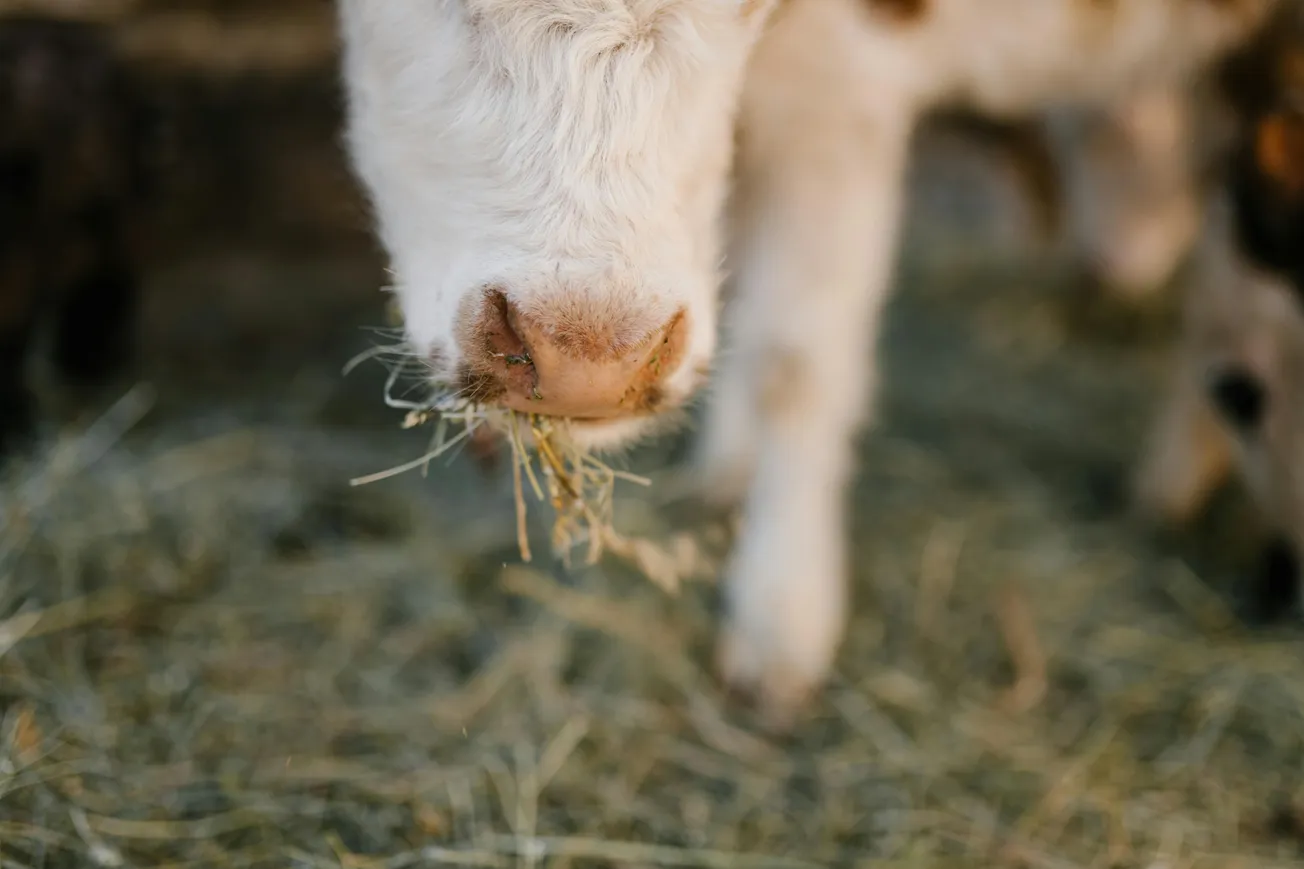
In 2025, the U.S. cattle herd shrunk to the lowest levels seen in decades — a result of persistent drought, high feed costs, and producers withholding heifers to rebuild future stock.
At the same time, hog supplies also tightened, compressing availability across pork and beef. For major meatpackers like Tyson Foods, that means facing heightened procurement costs and reduced raw‑material availability across multiple protein lines.
Operational Strategy: Add Value, Improve Yield, Manage Cuts
To navigate this squeeze, Tyson has leaned hard on value‑added products and operational efficiencies. By transforming cuts previously considered lower‑value into marinated, seasoned, or specialty-trimmed products — plus boosting yield per carcass — Tyson has softened the impact of reduced beef and pork supply.
According to the company, the prepared‑foods segment recently hit its highest fill‑rates since 2013.
Nonetheless, the constraints are showing. Tyson announced in late November 2025 it will close its beef processing plant in Lexington, Nebraska in January 2026, and reduce output at its Amarillo, Texas facility.
The move reflects shrinking cattle availability and the fallout from rising cattle costs — which have dragged down margins and made some processing capacity redundant.
Implications: Higher Prices, Shift to Poultry, and Long-Term Uncertainty
The supply crunch and capacity reductions have led to record‑high beef prices in retail — pushing some consumers away from beef and toward more affordable proteins such as chicken.
Tyson’s financial results reflect those market pressures: despite overall revenue growth, the beef segment remains a “soft spot,” with poor margins projected into 2026. In contrast, Tyson’s chicken and prepared‑food divisions have become relative bright spots, helped by lower feed costs and stronger demand.
But long‑term uncertainties remain. Herd rebuilds — if they occur at all — take years, meaning tight supply could persist well into 2026 or beyond.
For retailers, grocers, and supply‑chain planners (including omnichannel operators), that could translate into continued volatility in meat pricing, shifts in protein mix demand, and a premium on supply‑chain agility and diversified protein sourcing.