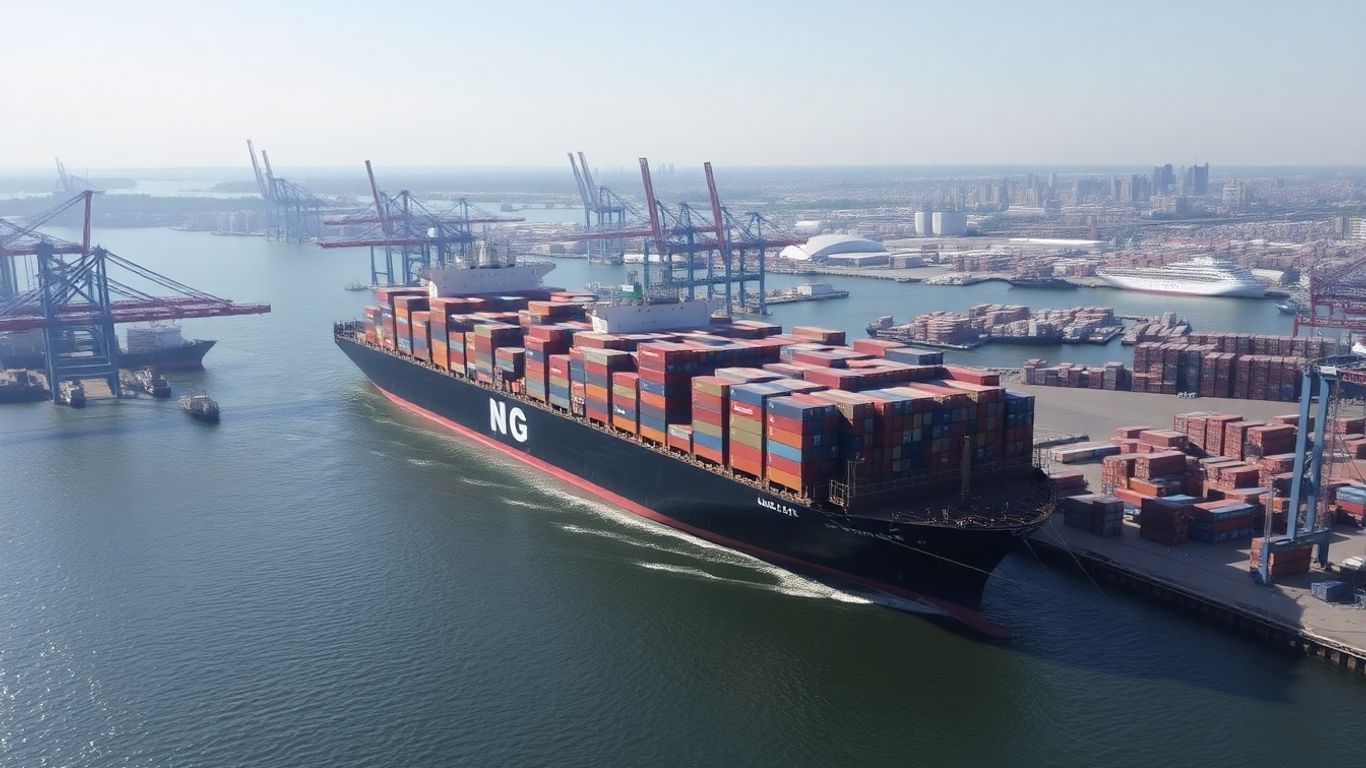
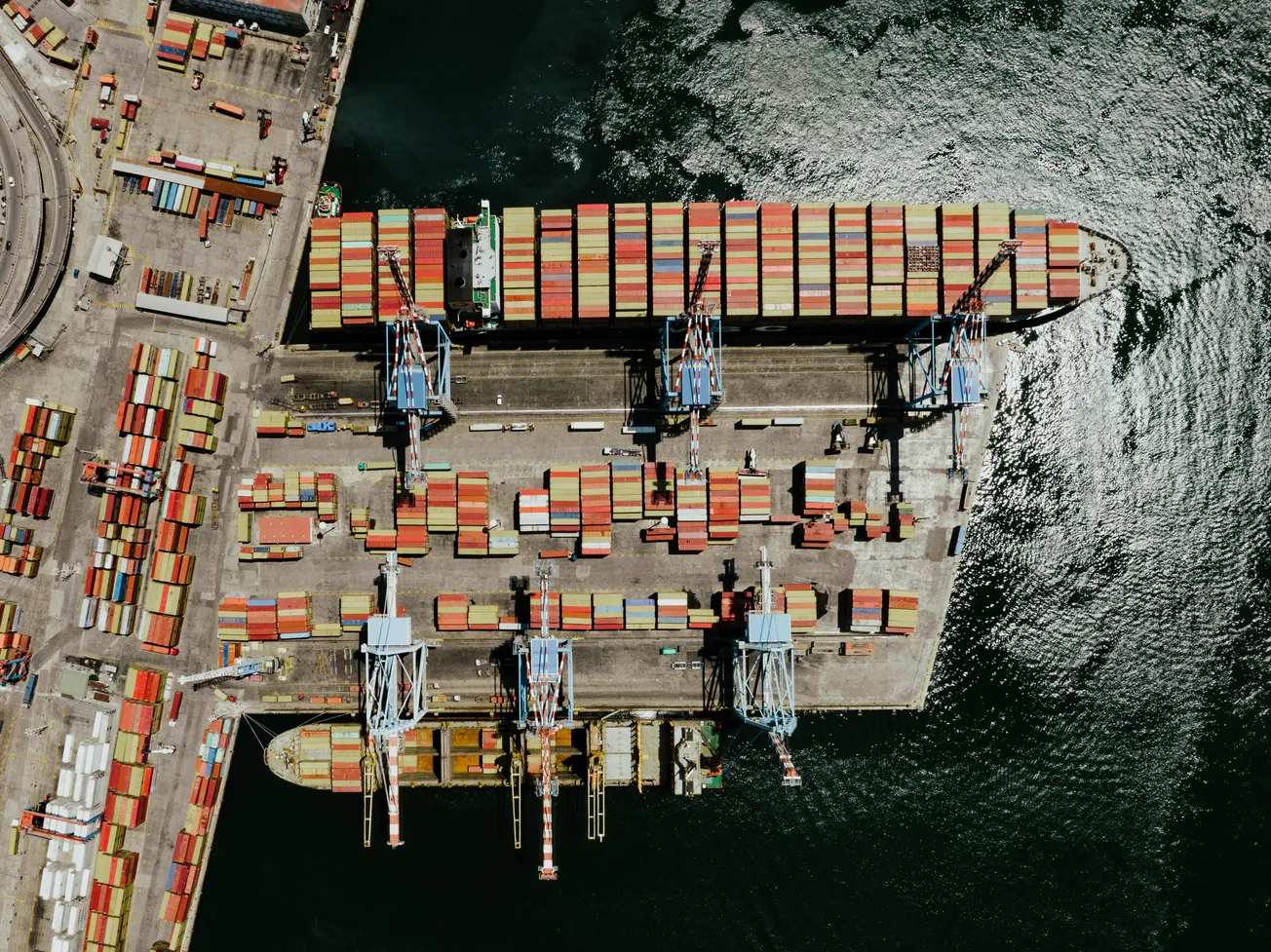
Ocean freight rates on Transpacific trade lanes surged at the start of 2026, driven by elevated demand ahead of the Lunar New Year and multiple carrier general rate increases, signaling renewed pressure on global supply chain costs and planning.
According to a weekly Freightos report, container pricing from Asia to the U.S. West Coast jumped 22% week‑over‑week, reaching about $2,617 per forty‑foot equivalent unit (FEU). Similarly, rates from Asia to the U.S. East Coast climbed about 12% to roughly $3,757 per FEU, reflecting broader market volatility as carriers re‑adjust pricing early in the year after relatively soft conditions at the end of 2025.
Drivers Behind the Upswing
Several factors are contributing to the Transpacific rate increases:
1. Lunar New Year Demand:
The seasonal surge in cargo movement related to the Lunar New Year — when factories ramp up exports ahead of holiday closures — boosted demand for ocean capacity. Freightos analysts noted that this cyclical increase, combined with general rate hikes from carriers, lifted spot rates compared to late December.
2. Market Capacity Dynamics:
While rates have spiked recently, broader market conditions remain mixed. Freight data throughout 2025 showed periods of low ocean pricing due to excess capacity and softer demand — particularly later in the year after some carriers added vessels and importers front‑loaded shipments ahead of tariff concerns. These dynamics contributed to weak rate levels in late 2025 even as spot prices briefly rebounded.
3. Volume Trends and Projections:
Despite early 2026 increases, overall volume projections suggest year‑over‑year declines on Transpacific routes. For example, National Retail Federation estimates cited in Freightos reporting indicate import volumes could fall roughly 10% compared to prior years, implying that demand spikes may be concentrated rather than sustained throughout 2026.
Broader Ocean Freight Context
Market watchers are tracking complex trends across ocean freight beyond the Transpacific:
- Rate Volatility: Global container rates have experienced both sharp increases and steep declines in recent months, with carriers adjusting pricing based on seasonal demand, tariff uncertainty, and shifting trade flows. In late 2025, some routes recorded their lowest rates in nearly two years before recent upticks.
- Geopolitical and Capacity Factors: Geopolitical events and changing trade policies continue to influence freight rates and cargo flows. Meanwhile, new vessel deliveries have expanded fleet capacity, which can put long‑term downward pressure on prices even as short‑term spikes occur.
- Shippers’ Leverage: With capacity outpacing demand in some markets, shippers may find stronger negotiating positions in contract talks this year, although spot rate volatility could still create cost unpredictability.
What Shippers Should Watch in 2026
Supply chain leaders will need to monitor several trends as the year unfolds:
- Seasonal Demand Patterns: Reassessing procurement strategies around key export cycles like the Lunar New Year remains essential to controlling costs and securing capacity.
- Contract vs. Spot Negotiations: Understanding how spot rate spikes compare with contracted rates can help shippers decide when to lock in pricing versus taking market risk.
- Global Trade Policy: Tariff developments, geopolitical tensions, and regional trade shifts will continue to affect freight flows and pricing across major trade lanes.
In a fluid market, ocean freight remains a critical lever for supply chain resilience — and early 2026’s Transpacific rate movements underline the importance of agility and strategic planning in global logistics.
More about shipping ports:
 Dan Craft
 Staff Report