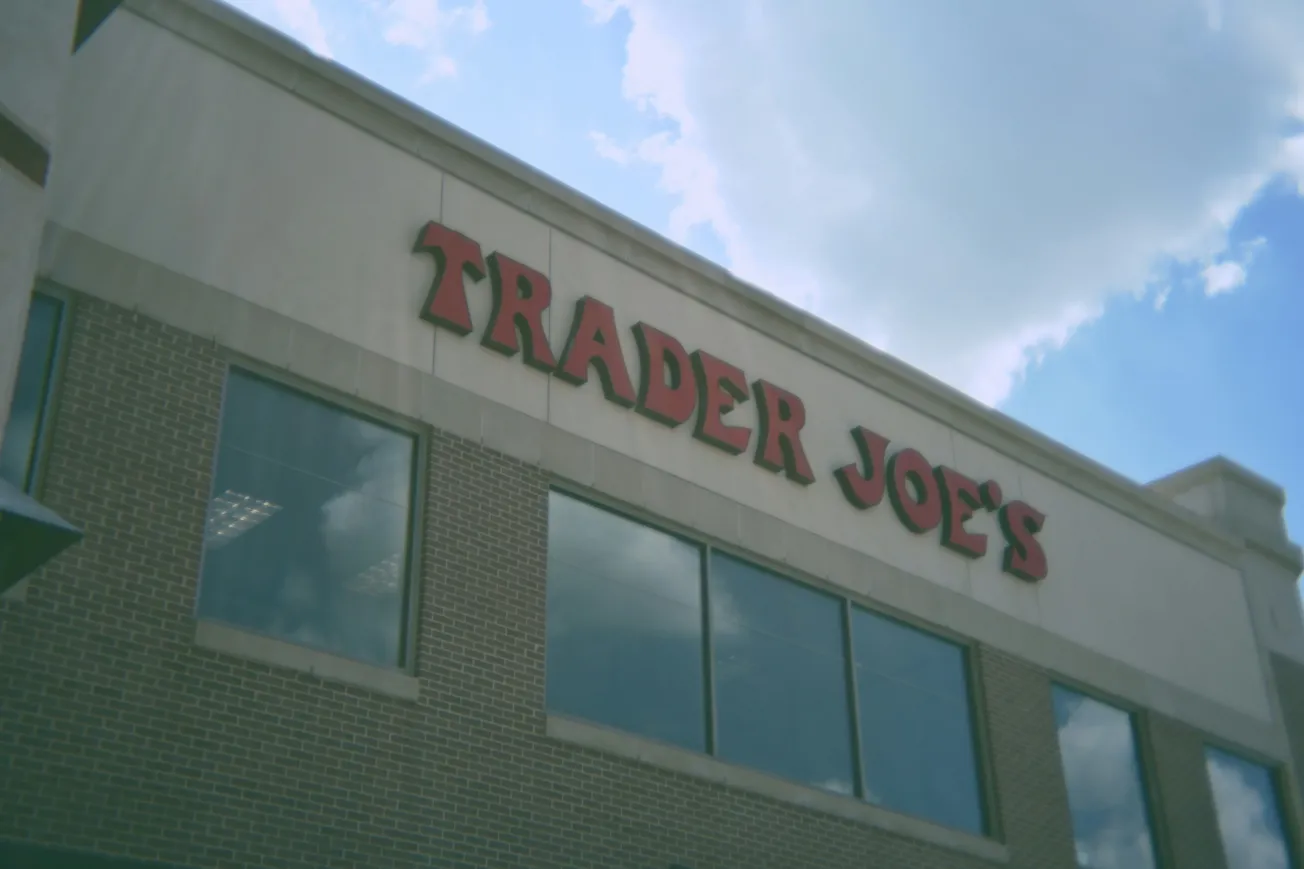
Trader Joe’s has officially claimed the title of America’s favorite grocery store, according to the latest data from the American Customer Satisfaction Index(ACSI) Retail and Consumer Shipping Study 2025-2026. After a tightly contested tie with Florida-based Publix in the previous year, Trader Joe’s surged ahead to secure a score of 86 on the 100-point scale. This 2% year-over-year increase marks a significant milestone for the California-headquartered grocer as it successfully navigates a retail landscape increasingly defined by a bifurcation of consumer spending and a demand for high-quality private-label goods.
While Trader Joe’s climbed to the summit, Publix maintained a strong second-place position with a score of 84.The top tier of the rankings remains competitive, with Texas powerhouse H-E-B taking third place with a score of 83, followed closely by Sam’s Club at 82. Rounding out the high-performers, Aldi, Costco, and Whole Foods Market all tied for the fifth spot with scores of 81.
Drivers of Shopper Loyalty and Satisfaction
The rise of Trader Joe’s to the top spot highlights a shift in what modern shoppers prioritize. Despite the rapid digital transformation across the grocery industry, Trader Joe’s continues to double down on an analog, in-store experience that focuses on discovery and emotional connection. While competitors invest heavily in complex omnichannel retail infrastructure and automated loyalty programs, Trader Joe’s relies on a "treasure hunt" atmosphere and a rotating selection of unique private-label products to drive foot traffic.
Industry analysts note that this approach resonates particularly well in an era where consumers are seeking "souvenir" shopping experiences rather than purely transactional ones. The ACSI data suggests that stores earning top marks are those consistently delivering on fundamental customer expectations: product quality, store cleanliness, and checkout efficiency. Interestingly, Trader Joe’s has achieved this growth while maintaining an intentional lack of traditional e-commerce or delivery services, reinforcing the idea that a specialized physical retail strategy can still dominate in a digital world.
Industry Challenges and Regional Performance
The broader supermarket industry saw a slight 1% dip in overall customer satisfaction, settling at a national average of 78. This decline is largely attributed to the cumulative effects of inflation and rising food costs, which have pressured household budgets and made consumers more critical of the value they receive for their dollar. Only three out of the 19 major grocery chains measured by the ACSI showed year-over-year improvement: Trader Joe’s, H-E-B, and Save A Lot.
Save A Lot notably posted the largest gain in the sector, rising 4% to a score of 78.This improvement was driven by strategic investments in store refreshes, an enhanced mobile app, and an expanded loyalty program, signaling that while some brands win with an analog focus, others are finding success through tech-driven convenience and efficiency.
Regionally, the preference for specific grocers remains strong. Trader Joe’s dominated the West, while Sam’s Club took the lead in the South and Midwest. These regional nuances suggest that local market density and the alignment of brand values with regional consumer demographics continue to play a pivotal role in overall satisfaction scores.
The Future of the Grocery Landscape
As we move further into 2026, the grocery industry is witnessing a clear divide between "value-seekers" and "premium-seekers." Data from NielsenIQ and other market researchers indicates that private-label products—a cornerstone of the Trader Joe’s model—are no longer viewed as "generic" alternatives but as high-quality primary choices for 35% of consumers. This shift forces national brands to justify premium pricing through innovation and superior value propositions.
For Bentonville-based stakeholders and global retail leaders, these ACSI results underscore the importance of brand differentiation. Whether through the tech-forward, high-efficiency model seen in Sam’s Club or the community-focused, discovery-based model of Trader Joe’s, the retailers that "win" are those that clearly define their value to the shopper. As the omnichannel journey evolves, the baseline for success remains a seamless blend of convenience and quality that meets the shopper wherever they choose to engage.
More about leadership:
 Staff Report
 Staff Report
 Nathan Sellars