
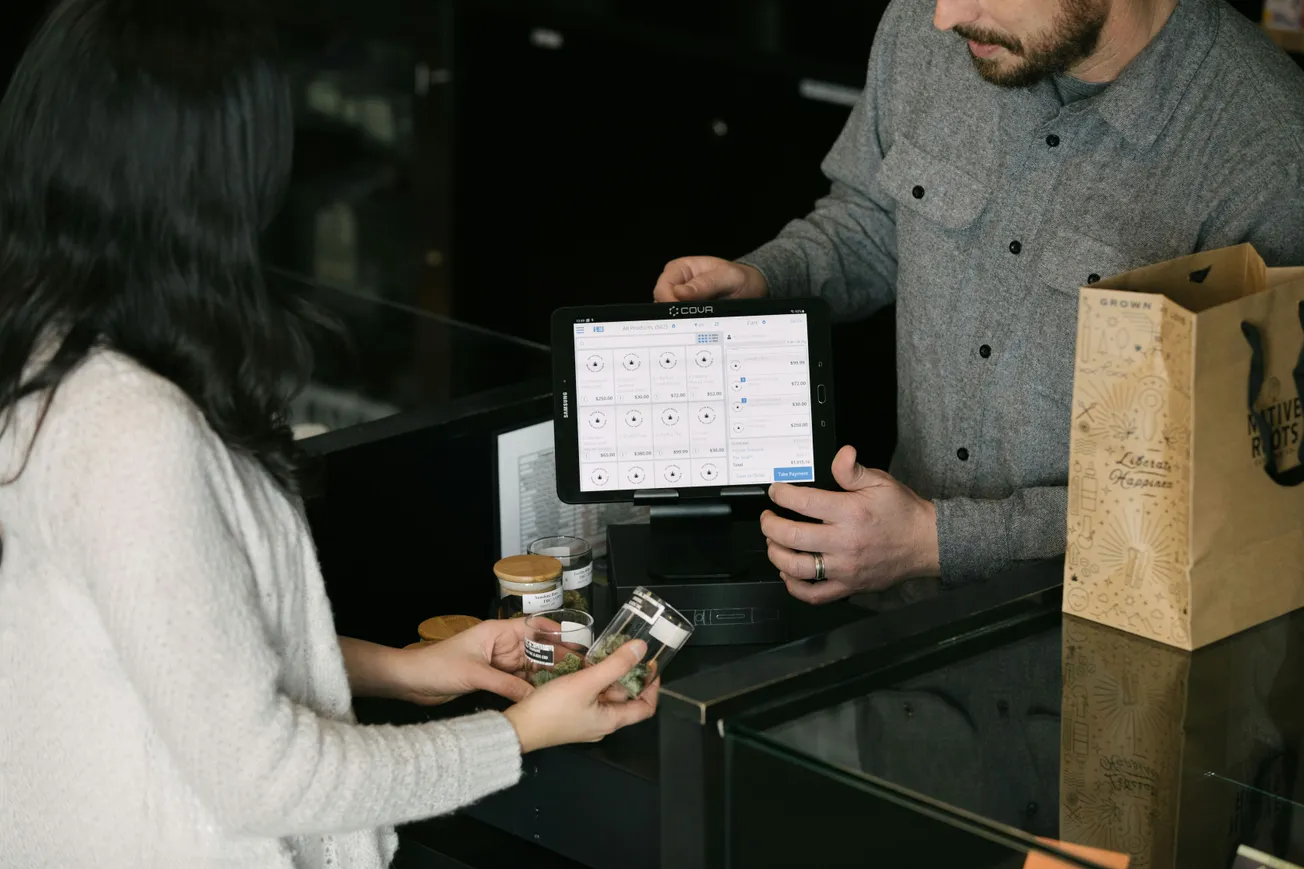
The retail landscape is shifting dramatically as customers demand more than just excellent products. Today, successful retailers focus on delivering comprehensive experiences that blend physical stores, digital channels, and immersive technologies.
In 2026, engaging customers across this complex journey is critical to outperform competitors and build lasting loyalty. This article explores why retail customer engagement matters now and presents 10 proven strategies retailers are adopting to thrive.
Why Retail Customer Engagement Is Crucial Today
Customer engagement goes beyond transactions; it fosters satisfaction, loyalty, and insights that feed business growth. As competition intensifies, especially with expansive choice and media saturation, brands must excel at personalization and seamless experiences or risk losing customers to agile rivals.
Harvard Business Review highlights that companies leading in customer satisfaction achieve revenue growth 2.5 times faster than competitors and enjoy significantly higher shareholder returns over a decade. This makes engagement an investment in sustainable profitability, not just short-term savings.
10 Strategies to Elevate Retail Customer Engagement
1. Personalize Experiences
Customers expect tailored interactions—66% will leave brands lacking personalization, while 86% report increased loyalty when experiences feel customized. For instance, ecommerce wine retailer In Good Taste uses live chat with expert agents to offer real-time, personalized wine recommendations, enriching discovery and purchase confidence.
2. Leverage Artificial Intelligence
AI is vital for scalability and satisfaction. With 73% of consumers anticipating more AI in daily interactions, brands employ AI bots to provide instant product information, automate routine inquiries, and empower agents with real-time insights. This reduces friction and enhances responsiveness.
3. Provide Omnichannel Support
Meeting customers on preferred channels—social media, live chat, phone, email, and even stores—is essential. 70% say a seamless cross-channel experience increases their likelihood to buy more, making omnichannel strategies key to engagement.
4. Enter the Metaverse
Metaverse platforms like Roblox enable novel brand experiences blending virtual and physical realms. Brands such as Tommy Hilfiger use these spaces to host virtual fashion shows and sell avatar apparel, fostering community and innovative engagement.
5. Use Augmented Reality
AR tools allow customers to virtually try products—like clothing or makeup—at home. This immersion boosts confidence, reduces returns, and deepens attachment to the brand.
6. Simplify Returns
Easy, hassle-free returns increase purchase confidence and are a vital touchpoint. Data collected from returns can reveal product description errors or fulfillment issues, presenting opportunities for improvement.
7. Explore Livestream Commerce
This interactive ecommerce model, popularized in China, combines live video and shopping, with conversion rates up to 30%, vastly outperforming traditional ecommerce. It builds urgency and intimacy, especially through influencer collaborations.
8. Blend Physical and Digital (Phygital)
Phygital retail creates an immersive journey by letting customers start shopping online, then continue or finalize purchases in-store seamlessly, leading to richer experiences and increased sales.
9. Implement Endless Aisles
When in-store stock runs out, endless aisle solutions direct customers to online inventories via kiosks or QR codes, preserving sales opportunities and expanding customer choice with flexible fulfillment.
10. Champion Social Causes
Aligning with social and environmental values resonates deeply, especially with Gen Z—24% may boycott brands that don’t share their beliefs, and 30% consider these factors when buying. Authenticity and business alignment on causes enhance engagement and trust.
Illustrative Examples
Tommy Hilfiger x Roblox: Hosting synchronized physical and virtual runway shows with avatar apparel available for purchase creates a cutting-edge brand connection.
Chupi Jewelry: Combining a flagship store with virtual consultations led to a 65% conversion rate on high-value sales, demonstrating success in blending in-person trust with digital convenience.
Levi’s Sustainable Engagement: Promoting sustainable fashion practices actively encourages customers to participate in upcycling and thrift, aligning brand values with customer actions.
Conclusion
In 2026, retail success hinges on mastering customer engagement through personalized, AI-enhanced, omnichannel, and immersive strategies that reflect evolving consumer priorities. Retailers who invest in these approaches build loyalty, increase lifetime value, and differentiate in a competitive marketplace. For a detailed exploration of retail CX best practices, consider the Ultimate Guide to Retail CX by Zendesk.