In early 2026, the world’s financial markets showed how powerful artificial intelligence (AI) has become as an economic force: technology companies — especially those deeply involved in AI development — continue to dominate global market capitalization rankings, with heavyweights like Nvidia, Apple, Alphabet, Microsoft, Amazon and Meta occupying the top slots.
These tech giants collectively represent trillions of dollars in investor value, with Nvidia alone nearing a $4.5 trillion valuation, followed by Apple and Alphabet among the largest global corporations by market cap.
This concentration of market value underscores Wall Street’s confidence in the future of AI and digital platforms, but it also highlights broader tensions between innovation, public trust, and the physical infrastructure required to support next-generation technologies.
The AI Boom and Market Concentration
Major technology firms have become central pillars of global financial markets as investors allocate capital toward perceived long-term growth drivers, particularly AI infrastructure and services. In 2026, tech firms hold a disproportionate share of market capitalization compared to other sectors, signaling continued faith in digital transformation and data-driven business models.
However, this tech-centric market dynamic has raised questions among analysts and the public alike: Can sustained AI-led growth justify lofty valuations? Are markets over-reliant on a small group of companies whose fortunes are tied to rapid technological shifts? Some market watchers have even flagged “AI bubble” concerns as valuations fluctuate and capital expenditures rise sharply.
Public Mistrust of AI and Tech Giants
Despite investor optimism, public sentiment toward AI remains mixed. Surveys across developed markets show significant portions of the population are uneasy about AI’s pace of development, its ethical implications, and its potential to replace jobs or erode privacy. This mistrust often extends to the large technology companies leading the AI charge, many of which are at or near the top of market cap rankings. Critics argue that rapid technological advancement has outpaced regulatory oversight and ethical guardrails, leaving users skeptical about how their data is used and safeguarded.
Beyond ethical concerns, there’s anxiety about the broader societal impacts of AI — from algorithmic bias to autonomous decision-making — and fears that technological elites wield too much influence over economic direction and public discourse, especially when a handful of companies hold significant market power.
Data Centers: Economic Opportunity Meets Community Strain
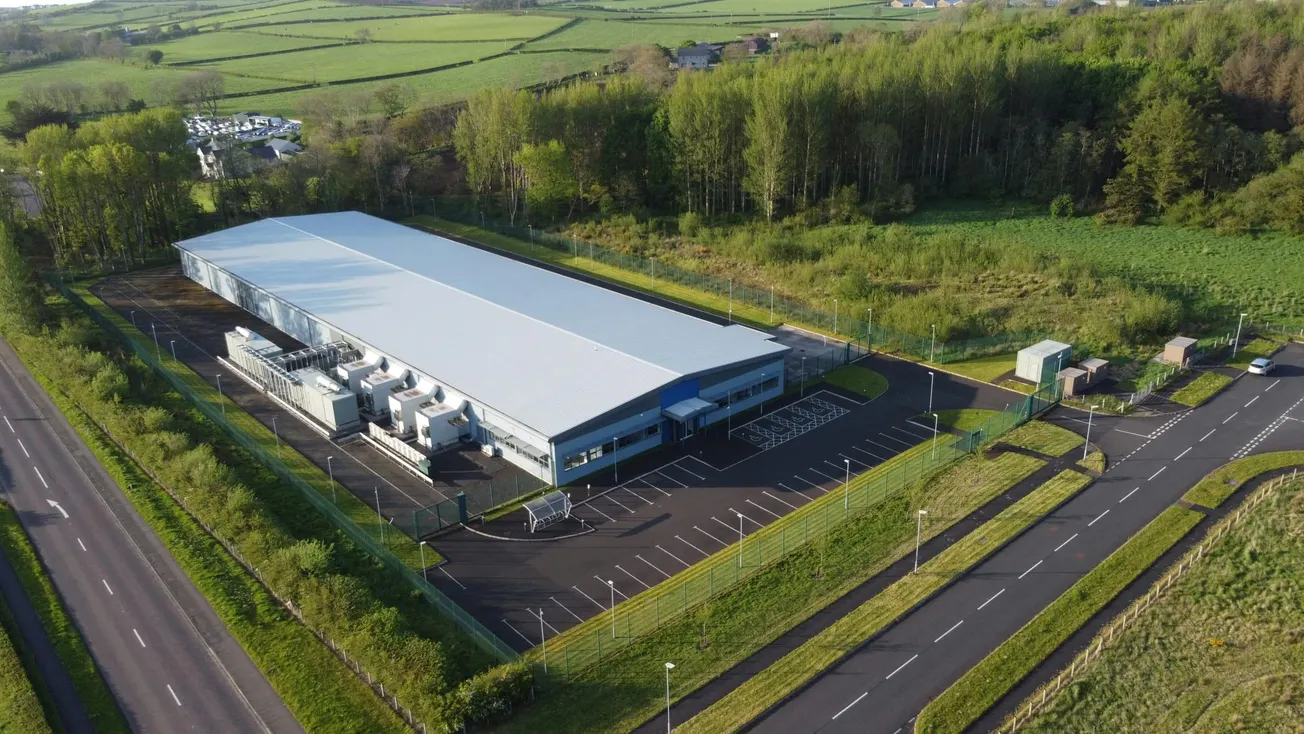
Propelling AI growth are large data centers — specialized facilities built to handle the intense computational requirements of machine learning and large model training. These facilities are essential to support cloud infrastructures, continuous model training, and real-time inference for AI applications, and spending on AI data centers globally is projected to be in the hundreds of billions of dollars annually.
However, the benefits of data centers bring with them notable challenges for the cities and regions that host them. While data center construction can create jobs and attract ancillary investments, it also places strain on local infrastructure:
- Energy consumption: Data centers require vast amounts of electricity — often equivalent to the usage of tens of thousands of households — increasing demands on regional power grids and, in some cases, contributing to higher local energy prices.
- Water resources: Many facilities use significant volumes of water for cooling systems, a concern in drought-prone regions where water scarcity is already a pressing issue.
- Land use and housing: Large data campuses can occupy substantial tracts of land, sometimes complicating local housing development and land-use planning.
Communities hosting these facilities often face tradeoffs between economic opportunity and sustainability pressures. In some parts of the United States, for instance, county and state planners are debating how to balance the economic benefits of attracting data center investment with concerns about environmental impact, utility costs, and long-term land planning.
The Broader Economic and Regulatory Landscape
Globally, economic growth in 2026 is expected to remain steady but moderate, with technology investment cited as a key resilience driver amid geopolitical and policy uncertainties. Analysts point to uneven growth patterns across major economies, with advanced markets growing modestly and emerging markets maintaining relatively stronger momentum — a backdrop against which AI investment plays a central role.
But as markets grapple with AI’s prominence and the infrastructure it depends on, regulators and policymakers are increasingly attentive to potential downsides. Issues such as data privacy, fair competition, environmental sustainability of data infrastructure, and ethical AI use are entering legislative agendas worldwide.
Balancing Innovation with Public Trust
The dominance of technology firms in global market caps reflects an investment community betting on AI’s transformative power. Yet rising public mistrust and the real-world impacts of data center buildouts in local communities spotlight the complexity of integrating AI into economies and societies responsibly. For investors, companies and policymakers alike, the challenge in 2026 and beyond will be to harness AI’s economic potential while addressing public concerns about ethics, environmental impact, and equitable benefit distribution.
In this evolving landscape, striking that balance may determine not just market performance, but the broader societal acceptance of AI as a force for inclusive and sustainable growth.