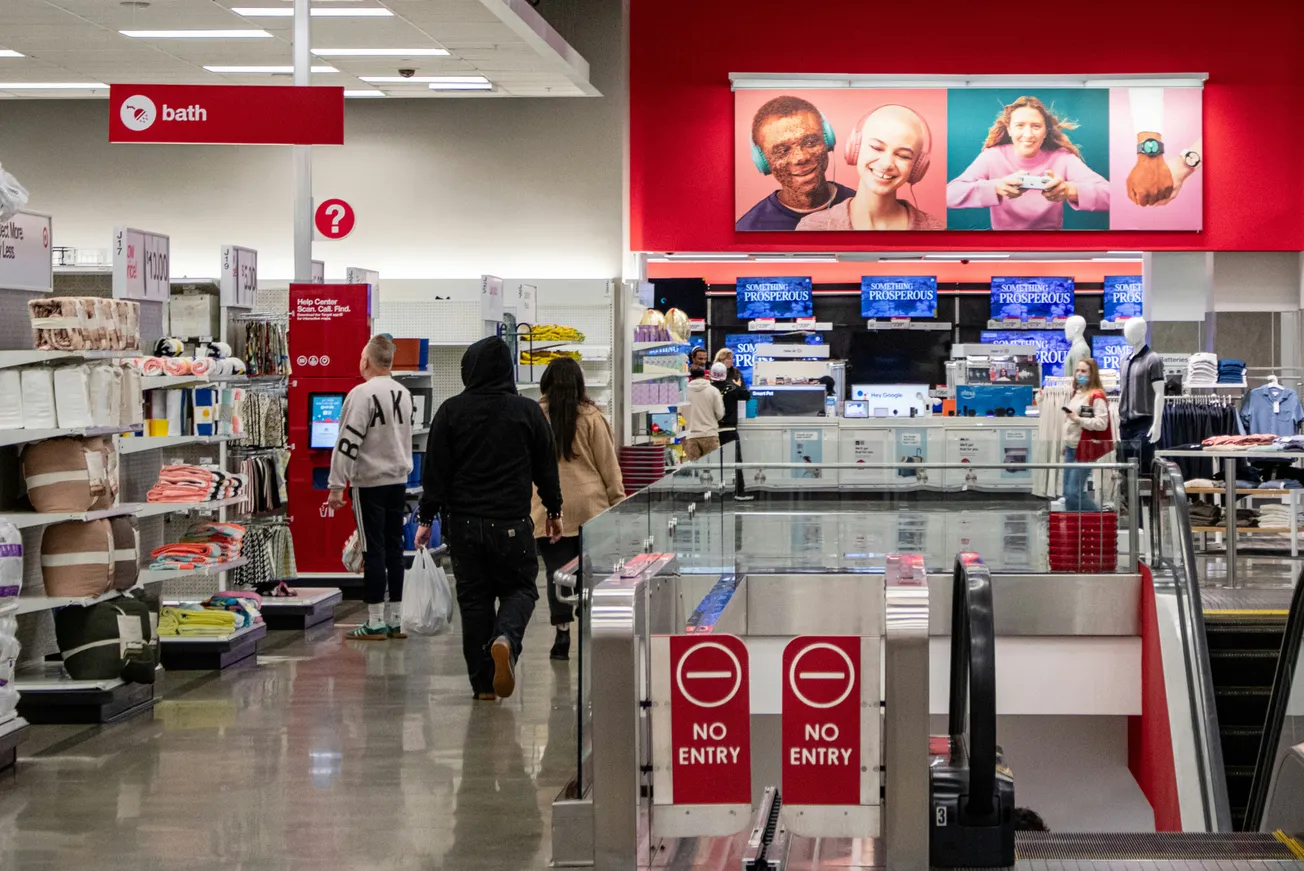
Target is responding to persistent in-store challenges by shifting strategic investment toward its brick-and-mortar operations. As new CEO Michael Fiddelke begins to steer the mass retailer’s next chapter, company leadership is prioritizing improvements in staffing, customer service training and day-to-day store operations — a move designed to enhance the guest experience and restore Target’s appeal with physical shoppers.
Under the new direction, Target plans to invest substantially in store payroll with additional labor hours focused on key frontline roles. These investments are paired with a broad rollout of customer experience training for all team members — both actions aimed at addressing long checkout lines, inventory issues and customer service gaps that have eroded satisfaction.
Operational Challenges Highlight Need for Change
Industry analysts say Target’s in-store experience has deteriorated in recent years, marked by messy aisles, poor merchandising execution and too few team members available to assist guests. According to GlobalData Retail’s Neil Saunders, these challenges have compounded into a less pleasant shopping environment — potentially depressing visit frequency and basket size.
Target’s focus on same-day services, such as curbside pickup and rapid fulfillment, has been a bright spot for digital sales. However, these services have also placed increased pressure on in-store staff, reducing time available for traditional customer engagement. Restructuring fulfillment, including shifting some work to dedicated centers, is expected to help free up associate time for guest-focused tasks.
Greater Labor Investment as a Strategic Lever
The labor investment comes alongside organizational changes that include eliminating roughly 100 store district roles and 400 supply chain jobs. While cost-cutting in those areas might appear counterintuitive to improving operations, experts see the moves as a way to simplify management layers and redirect resources to where they matter most: customer interaction at the store level.
Retail strategy observers have praised the renewed focus on staffing. More team members on the floor can help with everything from reducing theft to keeping high-value categories like electronics, health and beauty better merchandised and assisted — an especially significant benefit in departments where both sales and shrink pressures are high.
Balancing Fulfillment and Guest Experience
Target’s revamped training program is designed to help associates balance in-store customer service with fulfillment tasks more effectively. In practice, this means clearer role definitions for team members and the opportunity for dedicated responsibilities — whether focused on guest interaction, fulfillment, or merchandise presentation.
Analysts caution that these changes will take time to materialize in the shopping experience. Staffing increases and skills training create cultural shifts that don’t occur overnight. However, the combined emphasis on frontline labor and training reflects a broader strategy to counteract years of operational drift and strengthen Target’s competitive positioning in physical retail.
Looking Ahead
Target’s store-centric strategy aligns with longer-term plans to support its physical network through remodels and enhanced fulfillment models — including previous commitments to invest billions in store experience and digital integration. These multi-year investments aim to create a more seamless omnichannel experience, blending in-store engagement with digital convenience.
As Target continues to refine its priorities under new leadership, the success of these store investments will be closely watched by industry stakeholders and competitors alike. The retailer’s ability to turn around the in-store experience could prove pivotal in defining its performance against rivals and in meeting evolving shopper expectations in 2026 and beyond.
More about Target:
 Staff Report
 Staff Report
 Dan Craft