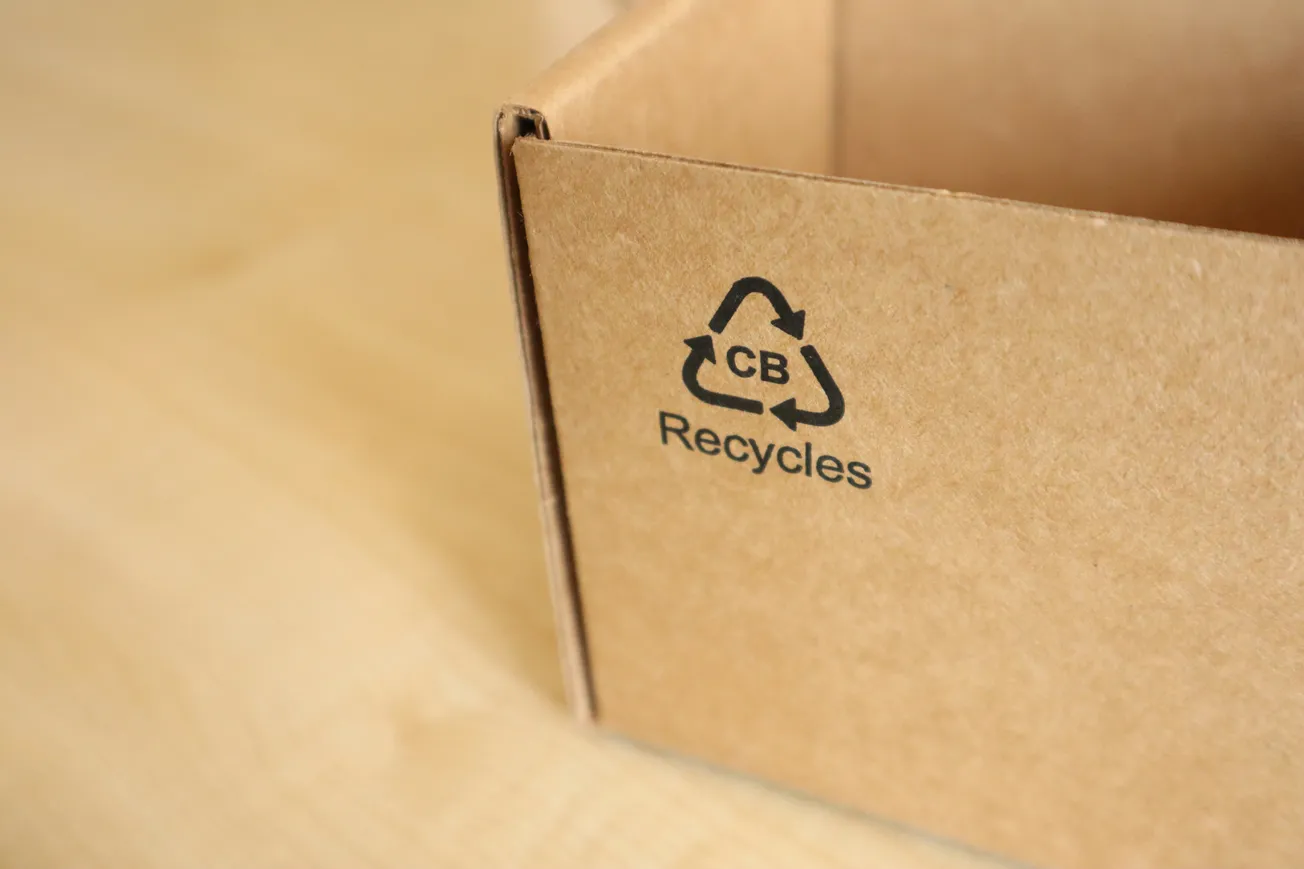
The shift toward sustainable commerce is no longer a niche preference but a core driver of brand equity in the modern retail landscape. Recent data indicates that as omnichannel retail continues to bridge the gap between digital discovery and physical delivery, the tangible elements of a product—specifically its packaging—serve as a critical touchpoint for consumer trust.
According to a 2025 study by printing firm Uprinting, nearly 77% of Americans report higher levels of trust in brands that utilize eco-friendly packaging, signaling a major shift in corporate strategy requirements for vendors and retailers alike.
Consumer Behavior and Plastic Reduction
The demand for environmental accountability is fundamentally altering the shopper journey. The Uprinting survey, which gathered insights from 1,000 U.S. adults, found that 68% of Americans have modified their shopping habits specifically to reduce plastic waste. This behavioral change is particularly evident when price parity exists; 50% of consumers stated they would choose the more sustainable-looking option when costs are equal.
This trend is even more pronounced among younger demographics. Gen Z shoppers are increasingly using their purchasing power to enforce environmental standards, with 53% of this cohort reporting they have stopped buying from brands that utilize excessive plastic packaging.
Furthermore, 21% of Gen Z consumers "always" verify sustainability disclosures on a product before completing a purchase. This indicates that for brands operating within the Bentonville retail ecosystem and beyond, transparency is becoming a non-negotiable component of the supply chain.
Packaging as a Strategic Investment
For years, logistics and procurement departments viewed packaging primarily through the lens of cost-minimization and damage prevention. However, the current digital landscape and evolving shopper expectations are repositioning packaging as a strategic marketing tool. The study highlights that 32% of respondents are willing to pay a premium of 6% to 10% for products housed in sustainably made, well-designed packaging.
This willingness to absorb higher costs suggests that sustainable design can drive margin growth rather than just adding overhead. Industry leaders are beginning to view these materials as an extension of the brand experience, especially in an omnichannel environment where the "unboxing" process is a primary physical interaction between a brand and an e-commerce customer.
By aligning design with sustainability, companies can effectively communicate quality and thoughtfulness, which resonates with the 57% of consumers who believe manufacturers should lead the way in addressing environmental impacts.
Implications for the Omnichannel Ecosystem
In a retail hub like Bentonville, Arkansas, where the world’s leading retailers and thousands of vendors collaborate, these insights provide a roadmap for future innovation. As shopper behaviors evolve alongside rapid technological advances, the integration of sustainable materials into the global supply chain is becoming a competitive necessity.
The push for "regeneration" in retail—moving beyond mere sustainability toward active environmental improvement—is gaining momentum. Brands that fail to adapt to these expectations risk alienating the growing segment of "omni-shoppers" who prioritize values-based purchasing. As supply chain transparency becomes more sophisticated, the ability to prove the origin and lifecycle of packaging will likely become a standardized requirement for large-scale retail partnerships.
The data suggests that the future of retail success lies at the intersection of logistics efficiency and environmental responsibility. By addressing the barriers to sustainable packaging, industry leaders can secure long-term loyalty and navigate the complexities of the modern customer journey.
More about sustainability:
 Staff Report
 Staff Report
 Staff Report