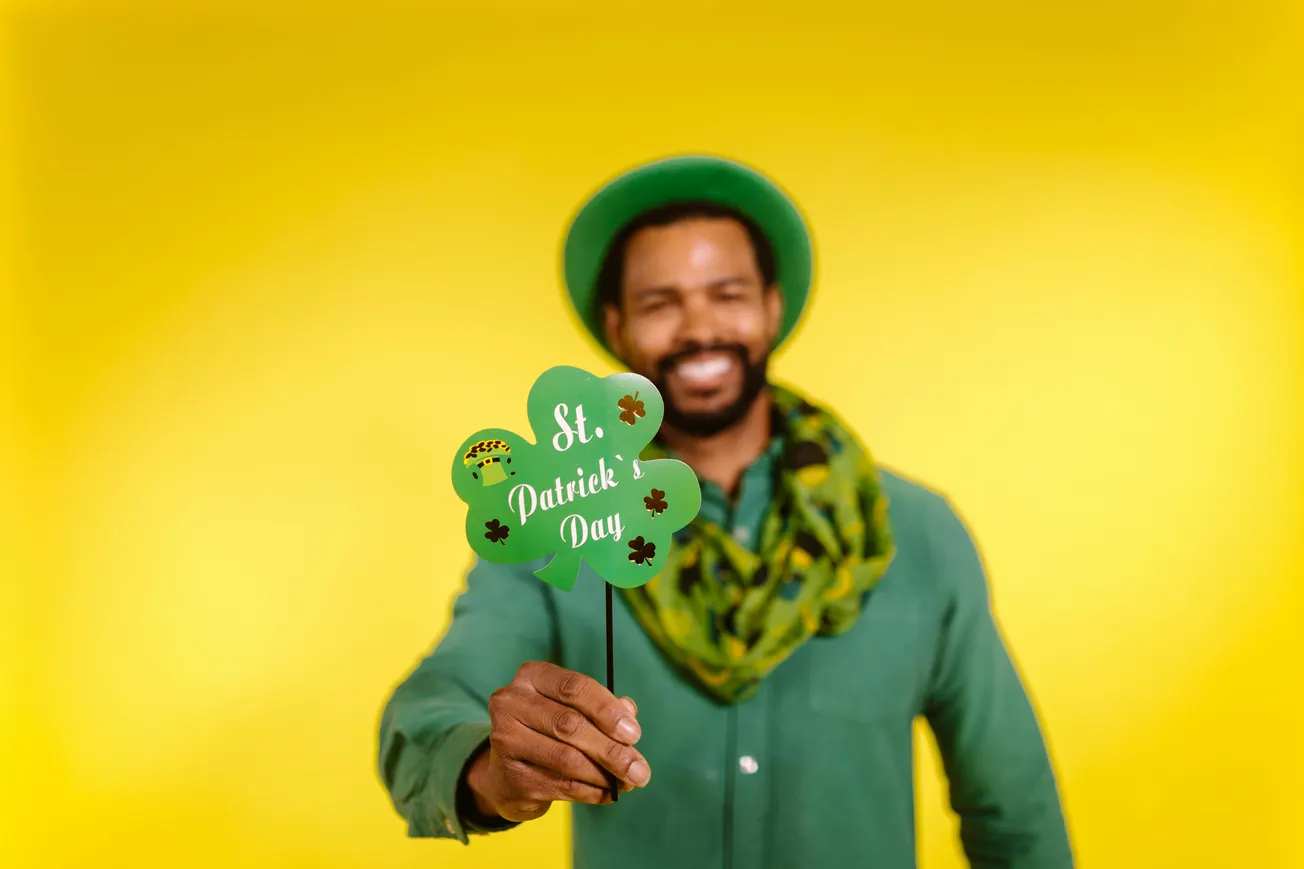
As St. Patrick’s Day 2026 approaches, the retail industry is bracing for a significant surge in consumer activity. According to the latest projections from the National Retail Federation (NRF) and insights discussed on RetailWire, total holiday spending is expected to reach a record $7.7 billion. This represents a substantial increase from the $7 billion recorded in 2025, signaling that the mid-March cultural celebration has evolved into a high-stakes "micro-season" for retailers and supply chain partners.
The average individual spend is pegged at $47.45, with approximately 60% of U.S. adults planning to celebrate. While traditional staples like apparel and decorations remain relevant, the 2026 landscape is defined by a shift toward experiential spending and a move away from disposable plastic novelty items in favor of "modern heirlooms" and high-quality textiles.
Shifting Consumer Preferences and the "Celtic Academia" Trend
One of the most notable shifts in 2026 is the emergence of the "Celtic Academia" aesthetic. This trend, which has seen an 850% increase in social media engagement, blends traditional Irish heritage with the popular "Dark Academia" style. For retailers, this translates to a demand for higher-end materials such as tweed jackets, wool skirts, and wax seals rather than inexpensive, temporary party favors.
Etsy’s designation of "Patina Blue" as a key color for the season—often paired with traditional emerald—further highlights the move toward a more sophisticated color palette. Merchandising strategies are increasingly focusing on "Washed Linen," which has seen search volume surge by 1200% as consumers seek out tactile, authentic products for their homes. This shift suggests that the omnichannel retail journey is becoming more focused on quality and long-term value, even during seasonal celebrations.
Food and Beverage Drive High-Volume Sales
Despite the rise in specialized apparel, food and beverages remain the dominant spending categories. More than half of all celebrants (54%) plan to purchase groceries for special dinners, while 44% anticipate purchasing themed beverages. This provides a major opportunity for CPG brands and grocery retailers to leverage cross-merchandising and bundled meal kits.
Retailers like Walmart and Amazon are leading the way in capturing this demand by integrating festive meal-prep content into their digital platforms. Short-form video tutorials and recipe-driven social commerce are proving to be effective tools for driving both online and in-store traffic. Major chains like Dutch Bros have also leaned into this "micro-season" by launching limited-time offerings like the "Stout Kicker" and "Emerald Rebel," targeting the growing consumer interest in both non-alcoholic indulgence and energy-infused beverages.
Strategic Implications for the Bentonville Ecosystem
For the vendor community in Bentonville, the record-breaking projections for St. Patrick’s Day 2026 underscore the importance of precision in supply chain and inventory management. With 47% of shoppers naming Walmart as their primary destination for holiday purchases, the pressure to maintain on-shelf availability for high-demand items—such as cabbage, which sees a 70% increase in shipments—is immense.
The use of AI-driven analytics is becoming essential for demystifying these rapid consumer shifts. By utilizing real-time data, retailers can better predict which regional markets will see the highest engagement with specific trends like "Celtic Academia" versus traditional "Green Beer" celebrations. This level of granular insight allows brands to optimize their marketing spend and reduce waste, aligning with the broader industry goal of regeneration and sustainable retail practices.
The Role of Digital and Social Integration
As shoppers increasingly research their purchases online before heading to physical stores, the integration of digital touchpoints is more critical than ever. Experts on the RetailWire Braintrust emphasize that the real opportunity lies in social gatherings and "moments" rather than just the products themselves. Successful retailers are those that provide "last-chance" content—such as outfit inspiration or party planning guides—the week of March 10th to capture the planning phase of the shopper journey.
By focusing on community and the social aspects of the holiday, brands can foster deeper loyalty that extends beyond a single day. Whether through hyper-personalized email campaigns or interactive "Get Ready With Me" (GRWM) videos, the goal is to create a seamless, omnichannel experience that meets the shopper wherever they are.
As the retail sector looks toward the remainder of the 2026 calendar, the lessons learned from this record-breaking St. Patrick’s Day will likely serve as a blueprint for future seasonal strategies.
More about holidays:
 Staff Report
 Staff Report
 Staff Report