As St. Patrick’s Day approaches on March 17, new consumer sentiment data from Numerator suggests a shift toward more modest, budget-friendly celebrations. While the holiday remains a staple on the retail calendar, the vast majority of participants—73%—expect to keep their total holiday spend below the $100 mark.
This trend reflects a broader theme in the 2026 omnichannel retail landscape: consumers are seeking "joy without the stress" by opting for low-cost, high-impact traditions. For Bentonville-based retailers and global suppliers, this data provides a clear roadmap for inventory and promotional strategies centered on value and convenience.
The Value-Driven Shopper Journey
The top shopping destinations for the holiday highlight a clear preference for value-oriented retailers. Walmart leads the pack, with 47% of shoppers planning to make their purchases there, followed by Amazon at 35 percent and Dollar Tree at 27 percent. This distribution underscores the importance of the "digital front door" and physical proximity in capturing spontaneous holiday spend.
Despite the budget constraints, enthusiasm for themed products remains high. Roughly eight-in-ten shoppers (79%) are likely to purchase holiday-specific items. However, the effort level remains casual; 45% of respondents rated their celebration enthusiasm at a one or two on a five-point scale. This suggests that retailers should prioritize "grab-and-go" solutions—such as pre-packaged meal kits or bundled decorations—rather than complex, high-ticket items.
Merchandising Essentials: Food, Beer, and Apparel
The core of the St. Patrick’s Day economy remains centered on three primary categories:
- Food (61%): Baking special treats or cooking traditional meals like corned beef and cabbage remains a top activity for 32% of celebrators.
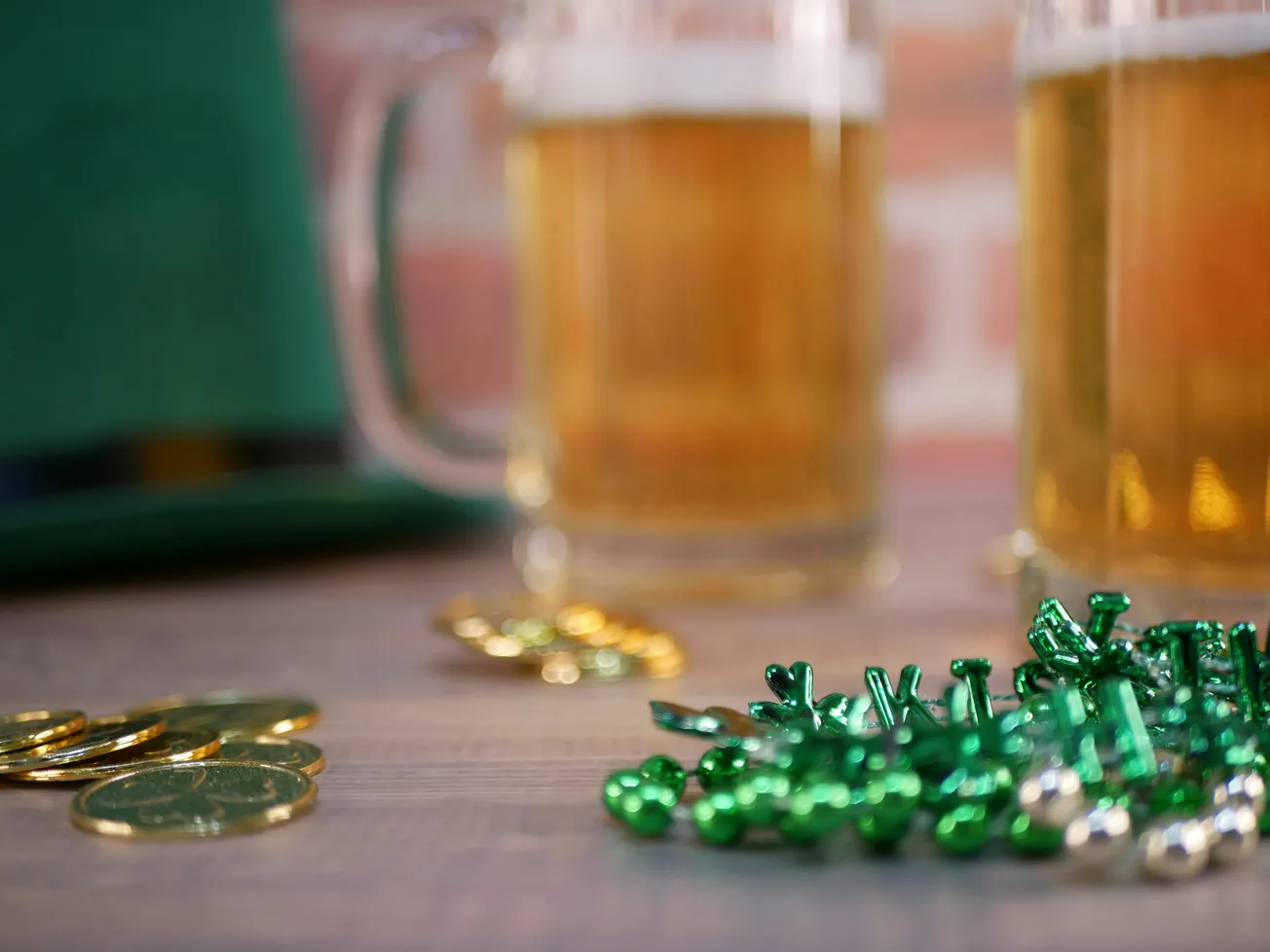
- Alcoholic Beverages (48%): Beer continues its reign as the preferred beverage (58%), with a specific surge in demand for Irish imports like Guinness or Smithwick’s (44%).
- Decorations and Apparel (35%): Dressing up in holiday-themed costumes or "wearing green" is the most popular activity, cited by 40% of participants.
From amerchandisingperspective, success hinges on cross-category placement. Placing Irish stout near the meat department or festive apparel near the checkout lane can drive the incremental sales needed to offset lower individual transaction sizes.
Navigating Inflationary Headwinds
The move toward sub-$100 celebrations is a direct response to the rising costs of consumer staples. As noted in recent economic reports, price sensitivity is at a peak. For brands, this means that transparency and "value-engineering" are critical. Half of the consumers surveyed noted they feel more joy than stress about the holiday—a sentiment retailers can protect by ensuring that festive experiences remain accessible.
By focusing on the "immediate family" segment (37% of celebrators), brands can tailor their messaging toward cozy, at-home experiences that provide the emotional lift of a holiday without the financial burden of large-scale events. In 2026, winning the holiday means winning on price, placement, and the promise of a stress-free celebration.
More about holidays:
 Staff Report
 Staff Report
 Staff Report