Placer.ai Data Indicates Sustained Growth in Shopping Center Visits
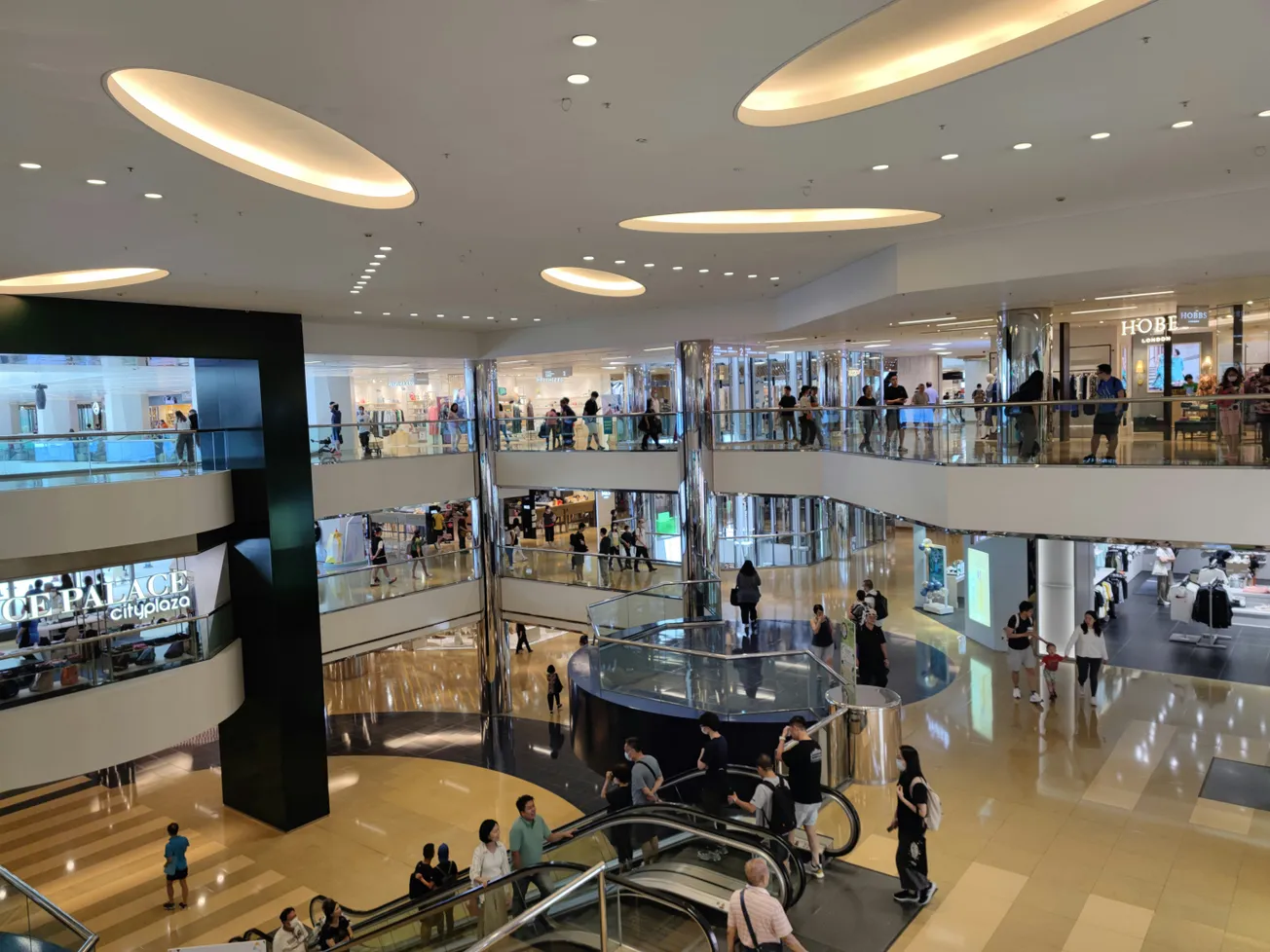
Foot traffic at physical shopping centers across the United States continued its upward trajectory in February, according to the latest research from Placer.ai. This growth follows a positive performance in January, suggesting that the brick-and-mortar retail sector is maintaining momentum despite broader economic fluctuations. The data highlights a significant recovery in consumer behavior, as shoppers increasingly return to physical environments for both essential goods and experiential retail.
The report indicates that various categories of shopping centers—including malls, outlet centers, and open-air lifestyle centers—experienced year-over-year increases in visits. This trend is particularly relevant for stakeholders in the Bentonville ecosystem, as it reinforces the importance of the physical store within a comprehensive omnichannel retail strategy. While digital commerce remains a vital component of the shopper journey, the physical storefront continues to serve as a critical touchpoint for brand engagement and immediate product fulfillment.
Driving Factors Behind Increased Foot Traffic
Several factors are contributing to the resilience of shopping center visits. Retailers have become increasingly sophisticated in using technology and data to demystify consumer preferences, leading to more targeted marketing and localized assortments. Additionally, the integration of services such as Buy Online, Pick Up In-Store (BOPIS) has transformed many shopping centers into dual-purpose hubs for both traditional browsing and efficient logistics.
In February, the "experience economy" also played a significant role. Many shopping center operators have successfully pivoted toward mixed-use developments that include dining, entertainment, and service-oriented tenants. This diversification helps insulate centers from the volatility of pure apparel or electronics retail. For industry leaders, this shift underscores the necessity of creating "coordinated touchpoints" that offer value beyond the simple transaction.
Strategic Implications for Retailers and Landlords
The rise in visits provides a optimistic outlook for the 2026 retail calendar. For vendors and suppliers based in Northwest Arkansas, high foot traffic at major retail partners like Walmart and Target is a primary indicator of inventory health and promotional effectiveness. As traffic increases, the pressure on on-shelf availability (OSA) and supply chain efficiency becomes even more acute.
Furthermore, the Placer.ai data suggests that consumers are demonstrating a "mission-driven" shopping habit. Even as they visit centers more frequently, they are often doing so with specific intent. Retailers who utilize sensors and AI to understand these traffic patterns in real-time are better positioned to optimize labor and improve the customer experience. By aligning store operations with these foot traffic surges, brands can ensure that the "ten-foot rule" and other service standards are maintained during peak periods.
Looking Ahead: The Role of Data in Physical Retail
As the industry moves toward the spring and summer seasons, the ability to track and respond to physical traffic patterns will remain a competitive advantage. The continued growth in February serves as a benchmark for the resilience of the American shopper. It also highlights the ongoing evolution of the shopping center from a simple collection of stores to a dynamic community hub.
By connecting data from foot traffic analytics with broader corporate strategies, retail leaders can continue to break down the barriers of omnichannel retail. Whether through improved tenant mixes or advanced digital integrations, the goal remains the same: meeting the consumer exactly where they want to shop. The February data from Placer.ai confirms that, for many, that location is still the local shopping center.
More about malls:
 Dan Craft
 Staff Report
 Staff Report