As digital clutter grows and shoppers redefine value, secondhand shopping has surged from fringe to fashionable. No longer limited to thrifting or garage sales, the resale economy now blends sustainability, identity, and status—appealing to shoppers who crave uniqueness, provenance, and cultural capital.
According to eBay, over 86% of U.S. consumers have participated in resale in the past year. Platforms like GOAT, Depop, and The RealReal are thriving, offering access to rare goods and authenticated pre-owned items.
What drives this shift? It’s not just affordability—it’s meaning. Shoppers are using resale to express taste, embrace circularity, and push back against disposable culture.
Authenticity and Identity Over Instant Gratification
In a world saturated with new products and fast trends, resale offers depth. Vintage or secondhand items carry stories, age into artifacts, and often reflect deeper consumer values like sustainability or individuality. Today’s shoppers aren’t just hunting deals—they’re curating collections that reflect who they are.
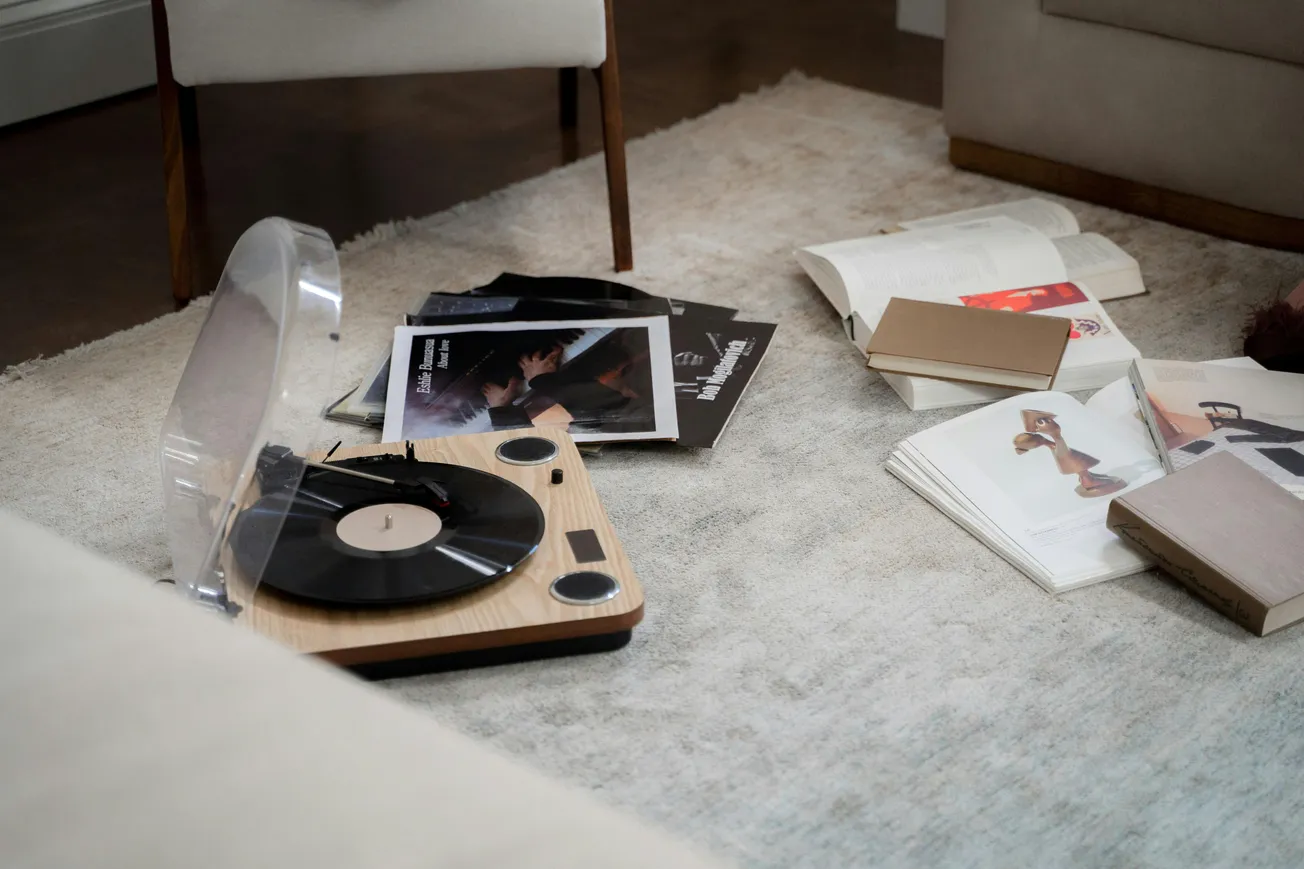
This behavior aligns with the broader “analog comeback,” where physical books, vinyl records, and film photography are gaining ground. It’s not about rejecting digital—it’s about seeking balance, intention, and presence.
What Brands Should Learn From the Resale Boom
Rather than rushing to “own” resale, brands should design products and brand narratives worthy of a second life. Focus on longevity, story-rich design, and cultural resonance. In the new retail landscape, meaning is the moat—and artifacts that carry meaning are more likely to survive the noise.
Resale is more than a market trend—it’s a shift in mindset. And in the attention economy, meaning matters more than new.