


Remember when RFID was always just around the corner? That future has quietly arrived, transforming retail in ways both subtle and profound.
Radio frequency identification technology has completed its journey from expensive supply chain experiment to essential retail infrastructure. What changed? Tag costs have plummeted while accuracy has soared. But the real catalyst has been the relentless rise of omnichannel retail, where promises of "buy online, pickup in-store" and "available at your local shop" require something traditional inventory methods simply can't provide: near-perfect visibility.
Apparel retailers pioneered this transformation. With their complex assortments of sizes, colors and styles, traditional counting methods left them with inventory accuracy hovering around 65%. RFID pushes that beyond 95%, dramatically reducing out-of-stocks while enabling better planogram compliance and fewer markdowns. Companies like Zara and Nike have shown how this technology transforms inventory from necessary burden to competitive advantage.
Grocery represents the next exciting frontier. Beyond simple counting, RFID creates what might be called a "digital product passport" – tracking expiration dates across thousands of perishable items, enabling precise recalls when needed, and supporting sustainability initiatives. When combined with AI analytics, it helps forecast demand, reduce waste, and optimize replenishment in ways previously unimaginable.
The most exciting developments may lie beyond inventory. RFID underpins everything from retail media networks to fully automated checkout experiences. After decades as the perpetual "technology of tomorrow," RFID has finally become the technology of today – not just improving operations but fundamentally redefining how we shop.
Ready to explore how RFID could transform your retail experience? Let's continue the conversation in the comments or reach out directly to learn more about implementation strategies.

RFID Revolution
RFID has finally arrived in retail, boosting inventory accuracy, powering omnichannel promises, and opening doors to grocery innovation and automated checkout. Discover how this once futuristic tech is transforming shopping today.
Related

Luxury Retail Lost Its Touch, Can Tech Bring It Back
Luxury retail can feel personal again. This episode explores high touch service, AI clienteling, RFID, and predictive analytics, showing how technology can restore confidence, intimacy, and expert service without losing the human touch.

Retail’s Secret Weapon: Accelerators
Why retail accelerators are reshaping how brands scale. Learn how execution, compliance, logistics, and digital merchandising now matter more than invention, and why retailers use accelerators to build reliable partners and spot trends early.
Stores Aren’t Dead. They’re Evolving
Digital shapes the shopping journey but stores still win the moment of purchase. This episode uses fresh data to explain why blended retail works, from social discovery and mobile research to BOPIS, curbside, and in store experiences that drive trust and conversion.

The End of Easy Amazon Money
Amazon is rewarding systems over stunts. This episode breaks down Marketplace Pulse data showing rising GMV, fewer sellers, and more million dollar brands. Learn why disciplined operations, analytics, and patience now define success on Amazon.
Latest

Nike Shakes Up Regional Leadership as Turnaround Effort Continues
Nike is revamping its regional leadership team, with Carl Grebert retiring and Angela Dong departing, as part of CEO Elliott Hill’s broader turnaround strategy to boost global performance.
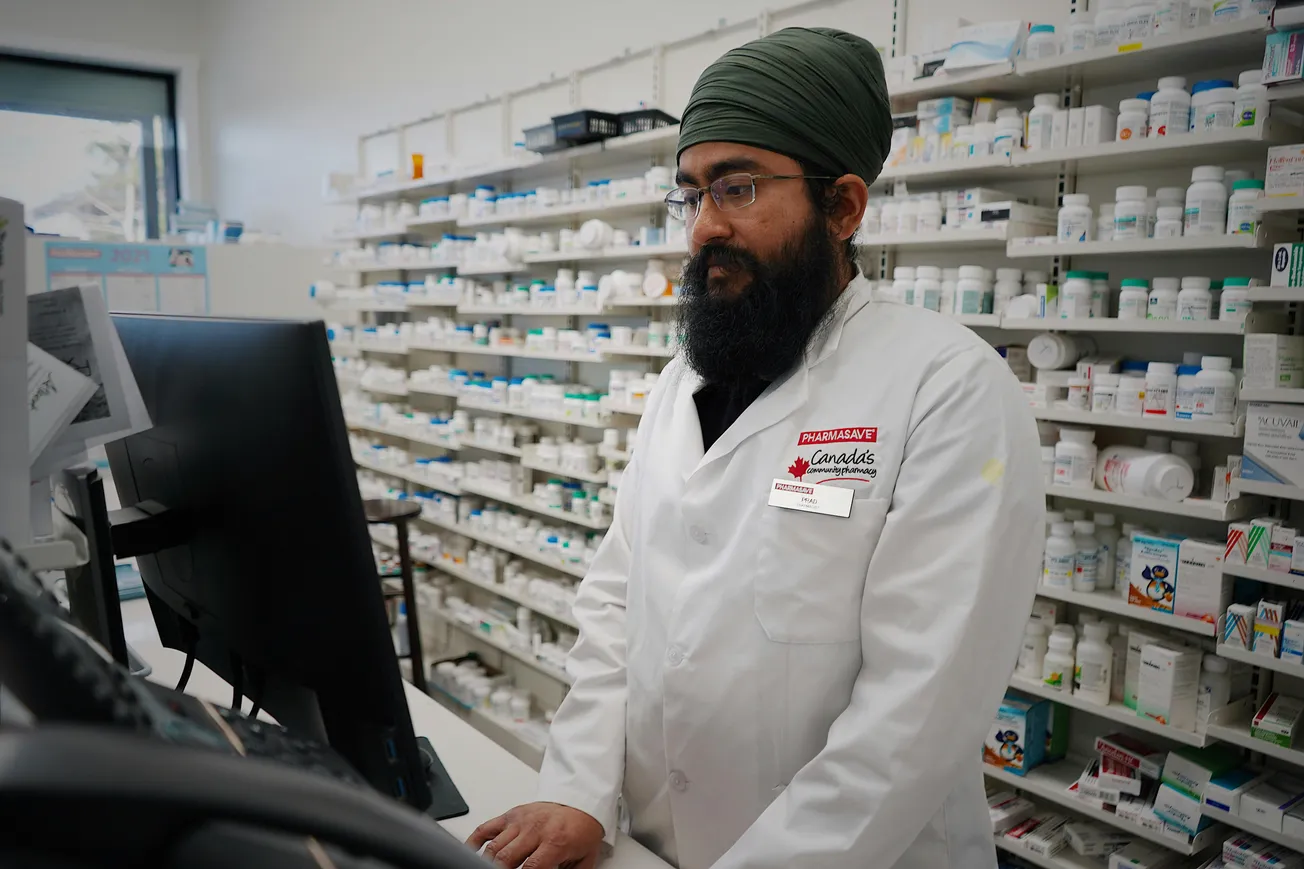
Meijer Expands Healthcare Services With WellSync Telehealth Partnership
Meijer teams up with WellSync to offer affordable $29.99 telehealth visits for common health needs via its website and pharmacy app.

Michaels CEO Says Capitalizing on Party City and Joann Bankruptcies Was Priority No. 1
Michaels is aggressively targeting the market share left by Party City and Joann bankruptcies, expanding party and fabric offerings across its store network under CEO David Boone’s strategy.

Amazon CEO Signals Price Hikes on E‑Commerce Platform as Tariff Buffers Run Dry
Amazon CEO Andy Jassy says tariff‑driven costs are starting to show up in product prices as inventory buffers run out, signaling potential price hikes for online shoppers.