Grocery bakeries promise warmth, freshness, and that perfect just‑baked smell — but behind that glow lies a logistical headache. Manual inventory counts, unpredictable demand, and perishable windows mean stores often overproduce (leading to waste) or under‑produce (resulting in empty shelves).
Enter a simple but transformative idea: replacing standard price stickers with RFID‑enabled labels on individual bakery items.
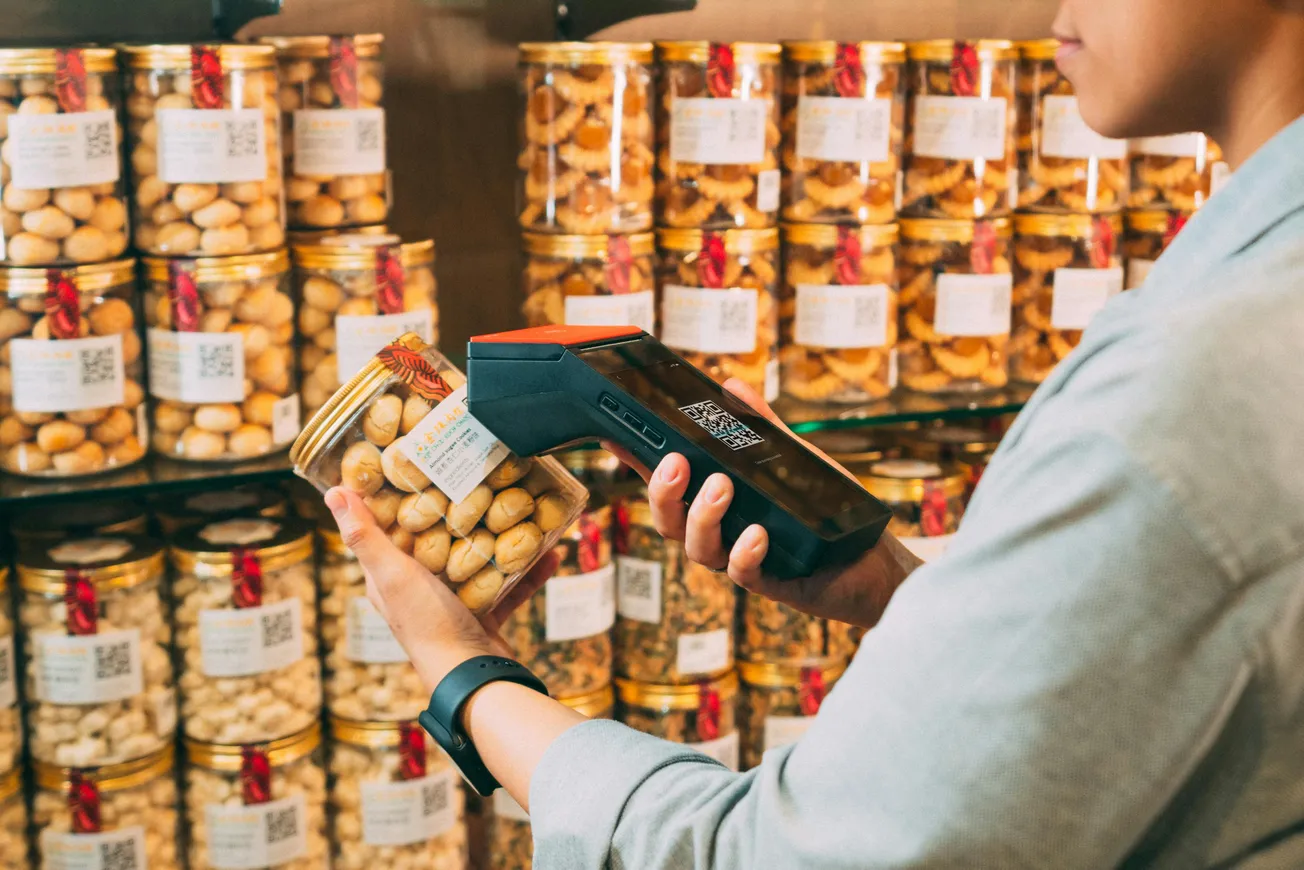
With RFID tags, a handheld scan can reveal exactly what’s on the shelf — in minutes instead of hours — giving store associates real‑time, item‑level visibility without adding friction to operations. That clarity drives smarter bake schedules that better match actual demand, cutting shrink by as much as 30‑35%.
The benefits go deeper than just fresh shelves. RFID lets teams respond swiftly to quality issues or recalls — locating affected units for targeted removal up to 95% faster than manual methods. For retailers, that translates to margin protection and maintained customer trust.
The industry is already moving: in 2025, Walmart announced a major collaboration with Avery Dennison to bring RFID into fresh‑food departments — including bakery, meat, and deli — signaling a shift from pilot to scale.
For any grocer exploring store digitization, bakery is emerging as the ideal first step. It’s low‑risk, high‑impact — delivering fresher shelves, lower waste, smoother recalls, happier customers, and a faster return on investment.