
Retail and supply chain professionals are increasingly reevaluating how product returns are managed — shifting from viewing returns as an unavoidable cost center to considering them a driver of revenue and margin recovery. In a recent analysis, Supply Chain Dive highlights this evolving perspective, outlining how structured returns management strategies can support profitability in modern retail operations.
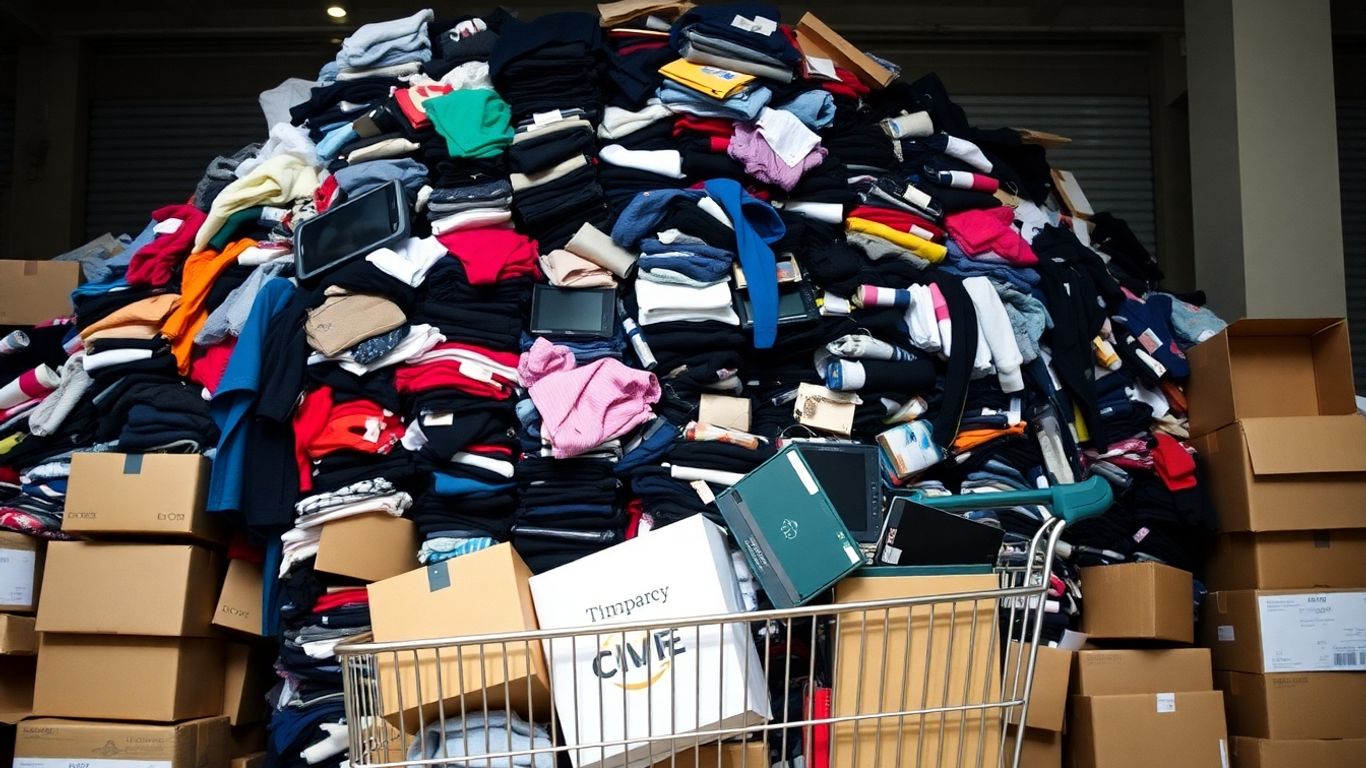
Traditional returns processes typically treat returned merchandise as inventory to be liquidated at minimal value or discarded, eroding revenue and margins. Returned items often accumulate value loss while sitting in centralized returns facilities, and many eventually sell for pennies on the dollar or generate disposal costs, further compressing margins.
However, industry examples and broader supply chain research show that reverse logistics — the system handling returns from customers back through the supply chain — can be structured to capture value. By implementing rule‑based decision trees or standardized frameworks that assess item condition up front, companies can route returns into value‑preserving pathways such as resale, refurbishment, recycling, or redistribution rather than defaulting to low‑value liquidation.
External logistics research notes how returns management automation, grading tools, and real‑time dispositioning can further improve margin recovery by reducing processing time and operational costs. Retailers integrating automation and data‑driven grading are better positioned to recover residual value from items while optimizing inventory flow and reducing waste.
As e‑commerce return rates remain high and consumer expectations for seamless returns persist, forward‑looking companies are investing in reverse logistics capabilities that can support both financial and sustainability goals. These investments increasingly include data integration, advanced analytics, and automated decision support — all aimed at transforming returns from a net cost to a strategic asset within the supply chain.
More about returns:
 Staff Report
 Staff Report
 Staff Report