As the retail sector turns the page into 2026, retail real estate is quietly shifting from contraction to selective growth, balancing caution with opportunity. After a wave of bankruptcies and store closures last year—including brands like Party City and Walgreens—many retailers are moving forward with carefully planned expansions, experimenting with formats, and doubling down on what works for in‑person shoppers.
A Market Rebalancing After Turbulence
In 2025, the retail real estate landscape endured significant disruption, with store shutdowns and bankruptcies making headlines. But key indicators suggest the sector is stabilizing. According to Colliers data cited in Retail Brew, 40 % of retail space leased was absorbed in just five months, and median lease‑up times dropped below seven months for the first time, signaling strong demand for quality space despite economic headwinds.
Retailers remain cautious about long‑term commitments, mindful that traditional 10‑year leases require confidence in future consumer demand. As a result, expansion strategies are deliberate: brands like Trader Joe’s, Barnes & Noble, Sprouts, Sephora, Amazon and Ulta Beauty are testing formats that offer differentiators—such as curated assortments or immersive experiences—that help pull customers through the door.
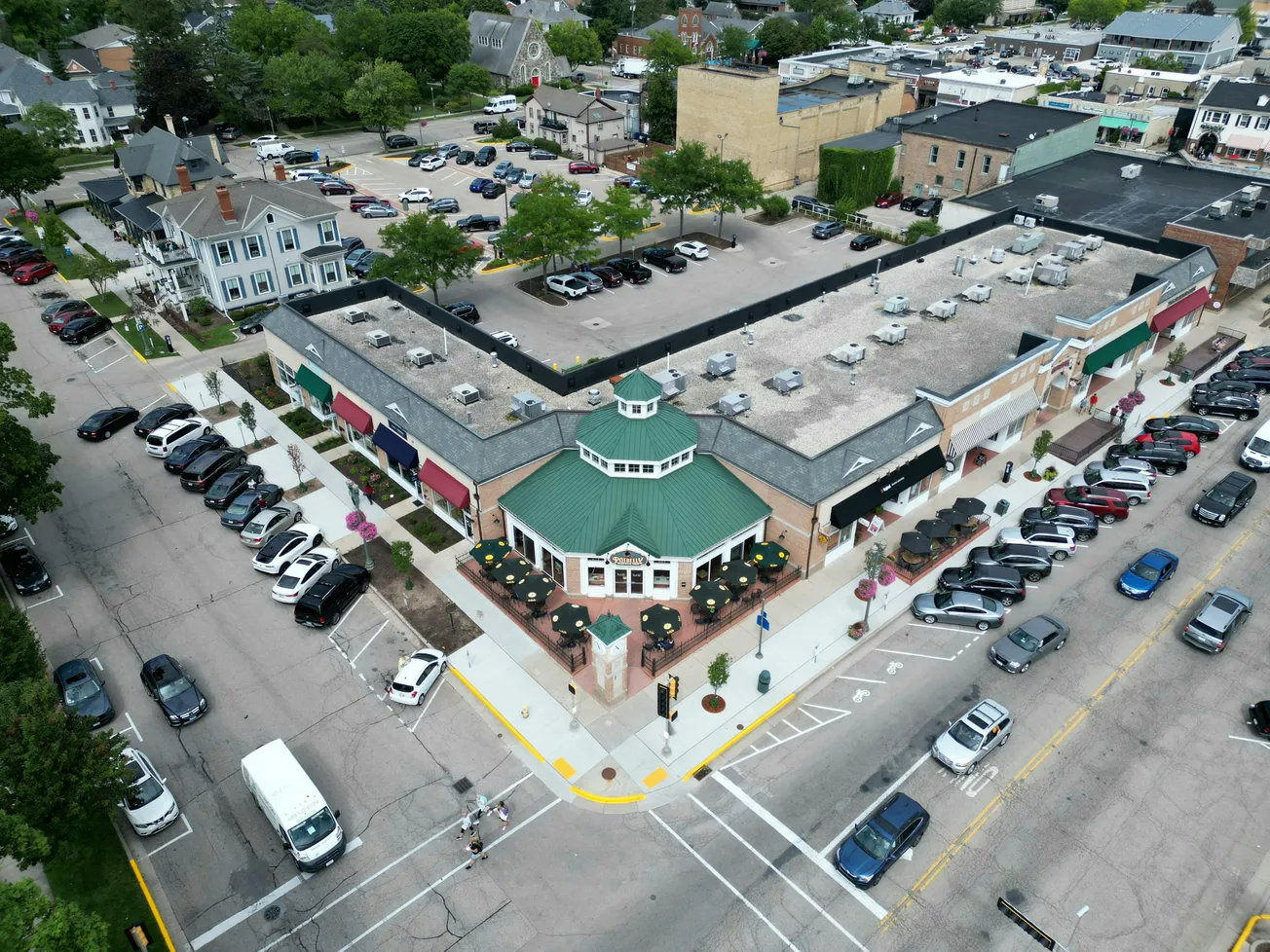
This aligns with broader commercial real estate sentiment pointing to a flight to quality across asset classes. Retail spaces in prime locations and with compelling customer draws continue attracting interest, while older, obsolete centers require repositioning or redevelopment. Experts see medical services, experiential tenants and mixed‑use components as key drivers of future retail center viability.
Experiential and Flexible Formats Take Center Stage
Physical retail is evolving well beyond simple transactions. A major trend for 2026 is turning stores into engagement hubs—places where customers spend time, participate in events, and connect with brands.
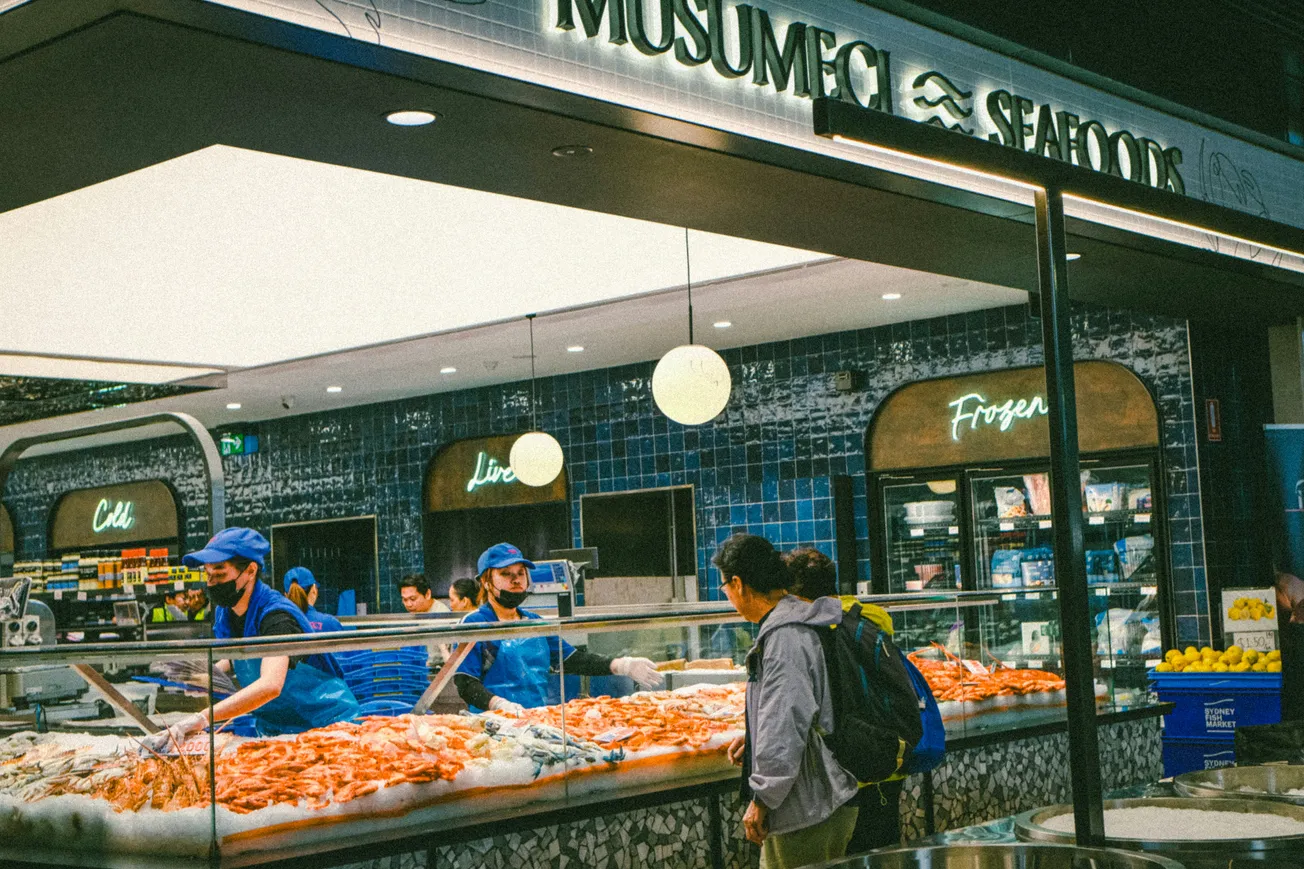
For instance, experiential retail—offering more than just products—remains a priority. These experiences might include live product demonstrations, community events, expert consultations and pop‑ups that serve both entertainment and commerce purposes.
More broadly, retailers are embracing short‑term leases and flexible storefronts that reduce risk and allow faster adaptation to trends, especially as AI, data analytics and omnichannel models blur lines between digital discovery and physical fulfillment.
Supply Constraints and Strategic Opportunity
Retail real estate’s current strength is partly due to limited new construction and tight supply, which has kept vacancy rates lower than expected after years of closures. Retail investors and developers report that even though economic uncertainty persists, moderating interest rates and demand from credit‑worthy tenants are improving the fundamentals of retail property markets.
Moreover, brands that continually refresh their product assortments—or tailor layouts to local tastes—are finding it easier to justify and sustain physical footprints. Stores that feel “fresh and new” are better positioned to thrive, especially when paired with strong digital marketing and fulfillment integration.
The Hybrid Future of Retail Property
Physical retail isn’t disappearing—it’s transforming. Rather than competing directly with e‑commerce, many retailers are blending digital tools with real‑world presence, making real estate a crucial component of omnichannel strategy.
From experiential showrooms to neighborhood hubs with essential services, retail real estate in 2026 reflects an industry that has learned from past volatility and is building a more resilient, dynamic foundation for the future.
More about real estate:
 Staff Report
 Ashton York