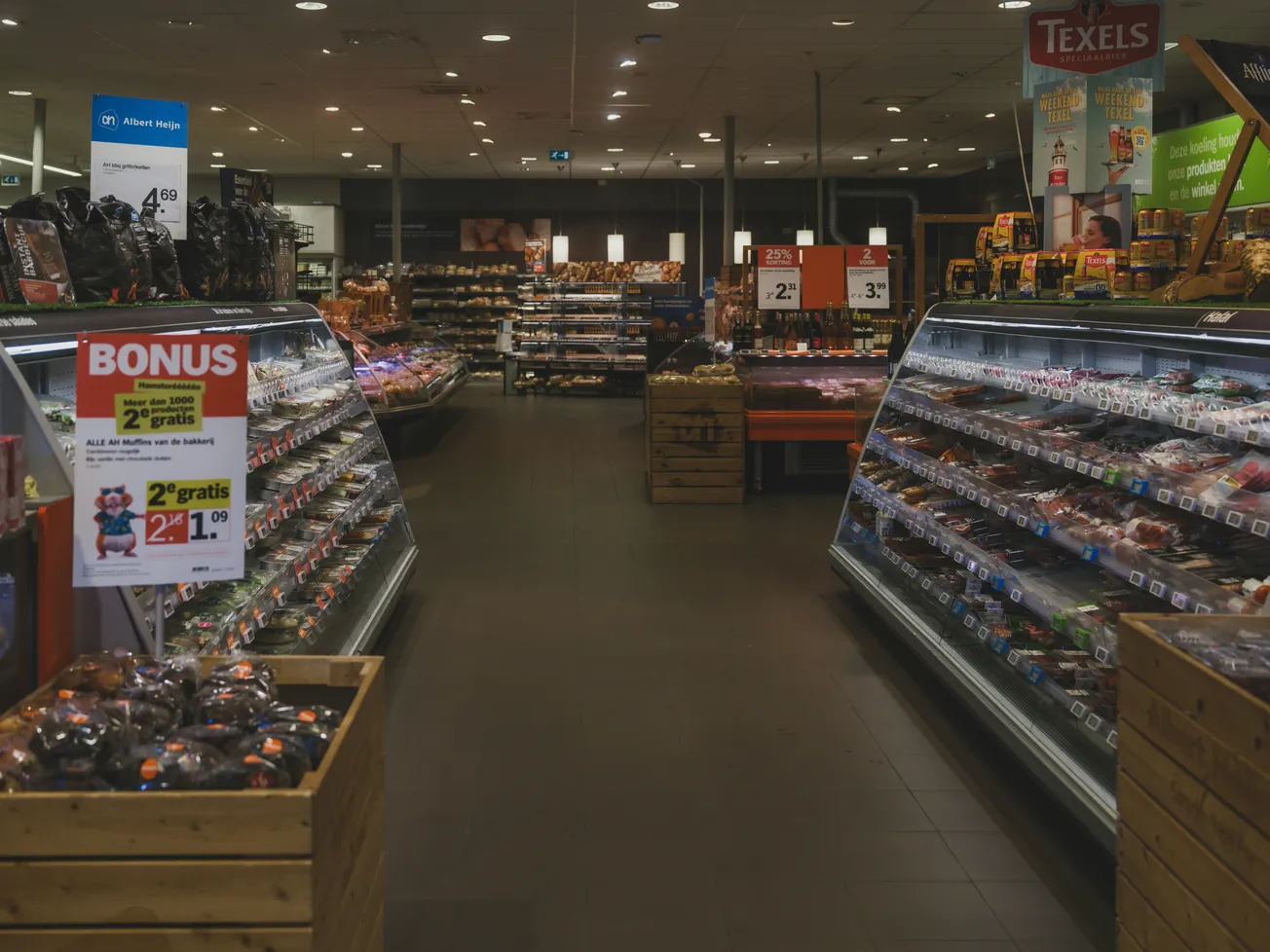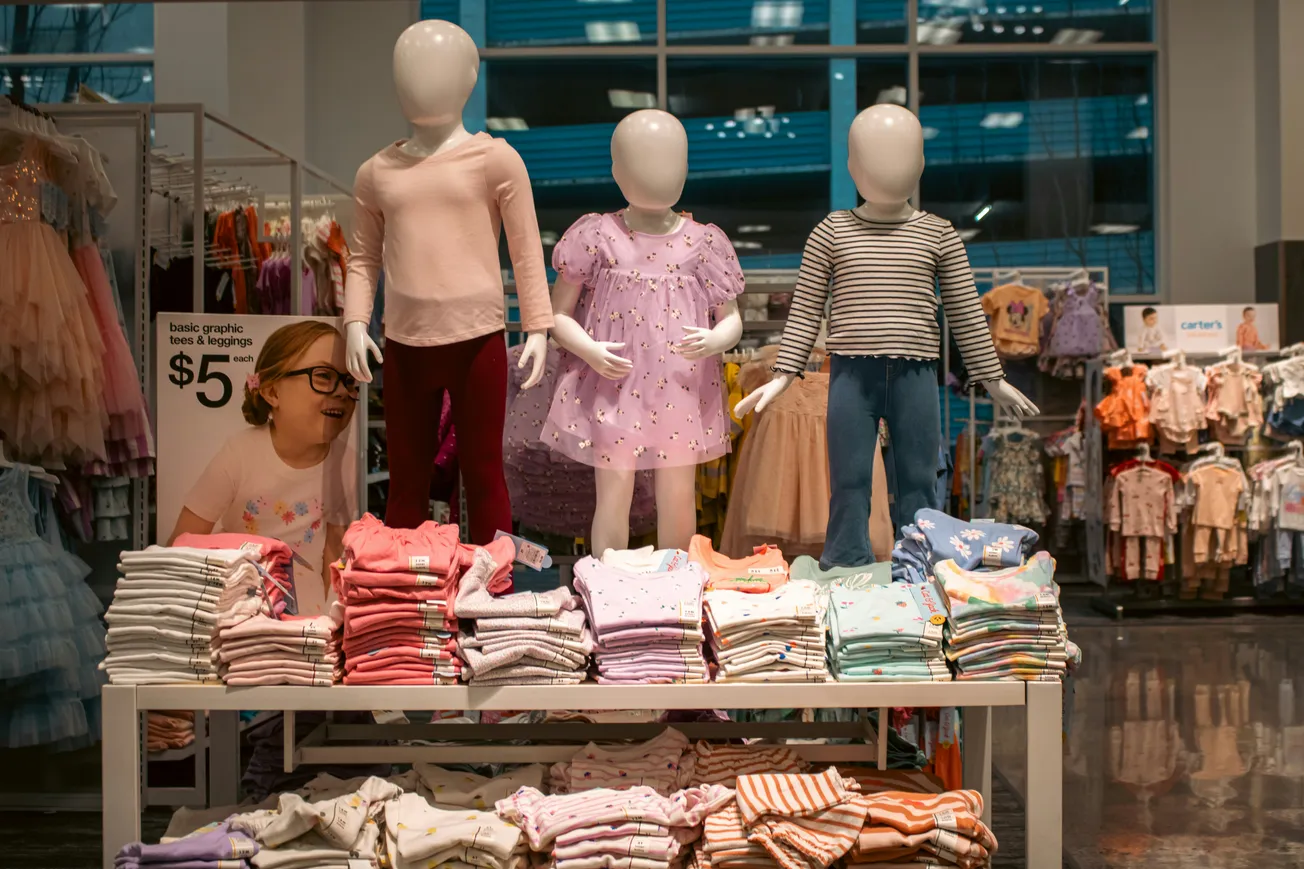
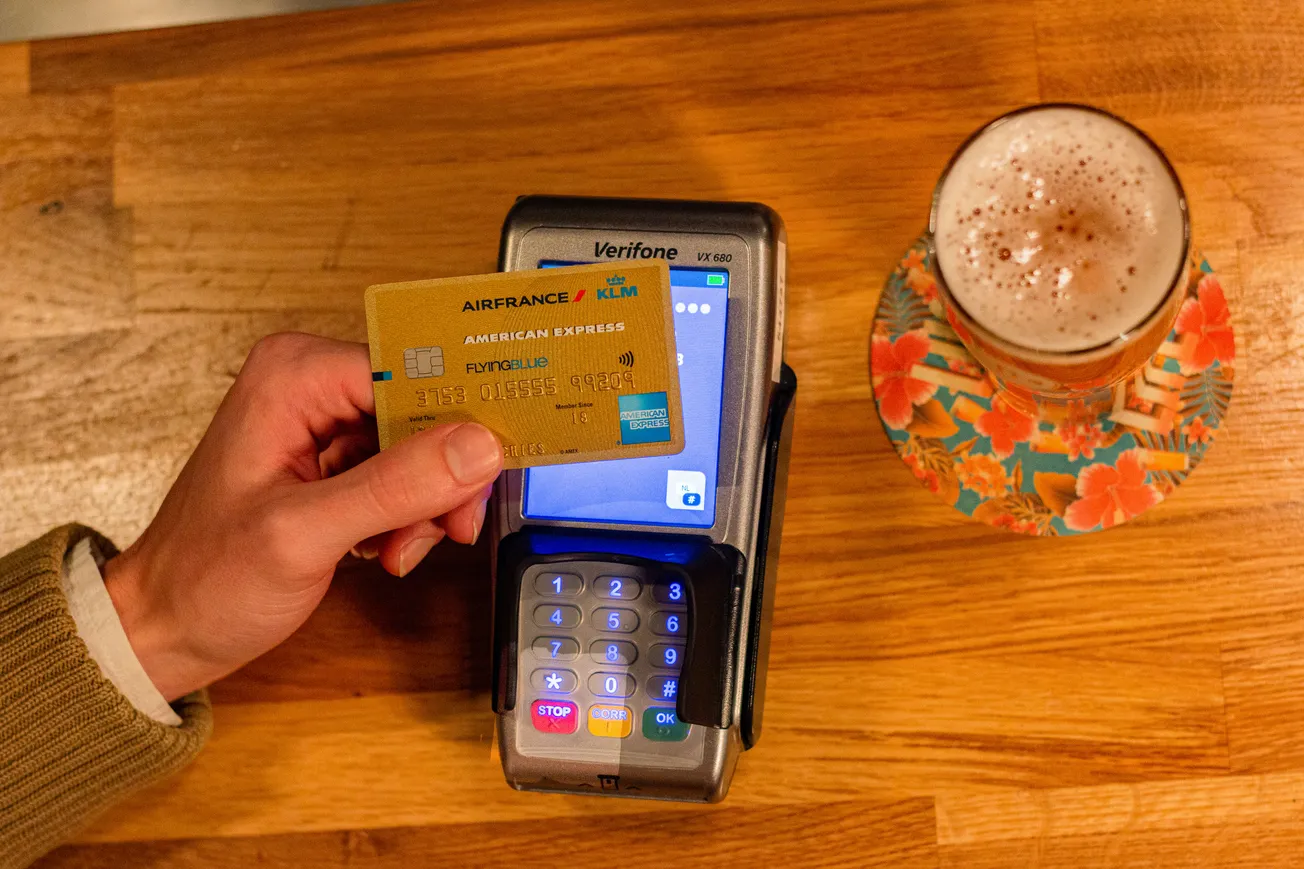
The retail landscape is currently navigating a period of significant volatility as consumer behavior becomes increasingly "fractured and fragile." According to a recent report by Retail Dive, the traditional, predictable shopper journey has been replaced by a complex web of touchpoints influenced by economic pressure, brand disloyalty, and a heightened expectation for convenience.
For the Bentonville business ecosystem—home to some of the world’s most sophisticated supply chain and retail minds—this shift represents both a challenge and a strategic opportunity to redefine omnichannel retail.
As inflation and interest rates continue to weigh on household budgets, consumers are exhibiting "fragile" financial behaviors. This does not necessarily mean they have stopped spending, but rather that they are spending with higher scrutiny. Shoppers are increasingly willing to trade down to private labels or switch retailers entirely to find the best value.
This lack of brand stickiness is a critical hurdle for marketing and merchandising teams who must now work harder to earn and retain customer trust.
The Omnichannel Response to Fragmented Journeys
The "fractured" nature of the modern consumer refers to how shoppers engage across multiple platforms simultaneously. A single purchase may begin with an algorithm-driven discovery on social media, move to price comparison via a mobile app, and conclude with a physical pickup at a local brick-and-mortar location. Demystifying this journey requires a seamless interconnection of data and physical infrastructure.
By leveraging advanced technology and real-time data, companies are moving toward a more personalized approach to merchandising. Instead of broad-market appeals, successful corporate strategy now involves hyper-localized assortments and targeted digital engagement. This ensures that even as shopper behavior fragments, the brand remains a constant presence at every possible touchpoint.
Strategic Implications for Supply Chain and Labor
A fragile consumer base demands extreme efficiency. Any friction in the fulfillment process—whether it is an out-of-stock item or a delayed delivery—can result in a permanent loss of a customer to a competitor. Consequently, supply chain resilience has become a core pillar of retail leadership. Retailers are investing heavily in automated distribution centers and micro-fulfillment hubs to ensure that inventory is positioned as close to the end-user as possible.
Furthermore, the labor component of retail is evolving to support these new behaviors. Store associates are no longer just maintaining shelves; they are becoming essential nodes in the fulfillment network, managing curbside pickups and ship-from-store operations. Training and upskilling these workers is vital for maintaining the human touch in an increasingly digital environment.
Winning with Insight-Rich Content and Community Connection
To overcome the barriers presented by a fractured market, industry leaders must prioritize collaboration. The DBB mission emphasizes connecting a "symphony of experts" to share insights on these evolving behaviors. Understanding the "why" behind the shift is just as important as the "what." By asking the right questions—such as how social commerce influences physical store traffic or how loyalty programs can be reimagined for a budget-conscious era—Bentonville remains the global hub for retail innovation.
As the digital landscape continues to evolve, the goal remains clear: to create an ecosystem where the shopper journey is integrated, intuitive, and reliable. While the consumer may be fragile, the retail strategies being developed today are designed to be more robust than ever.
More about consumers:
 Staff Report
 Staff Report
 Staff Report