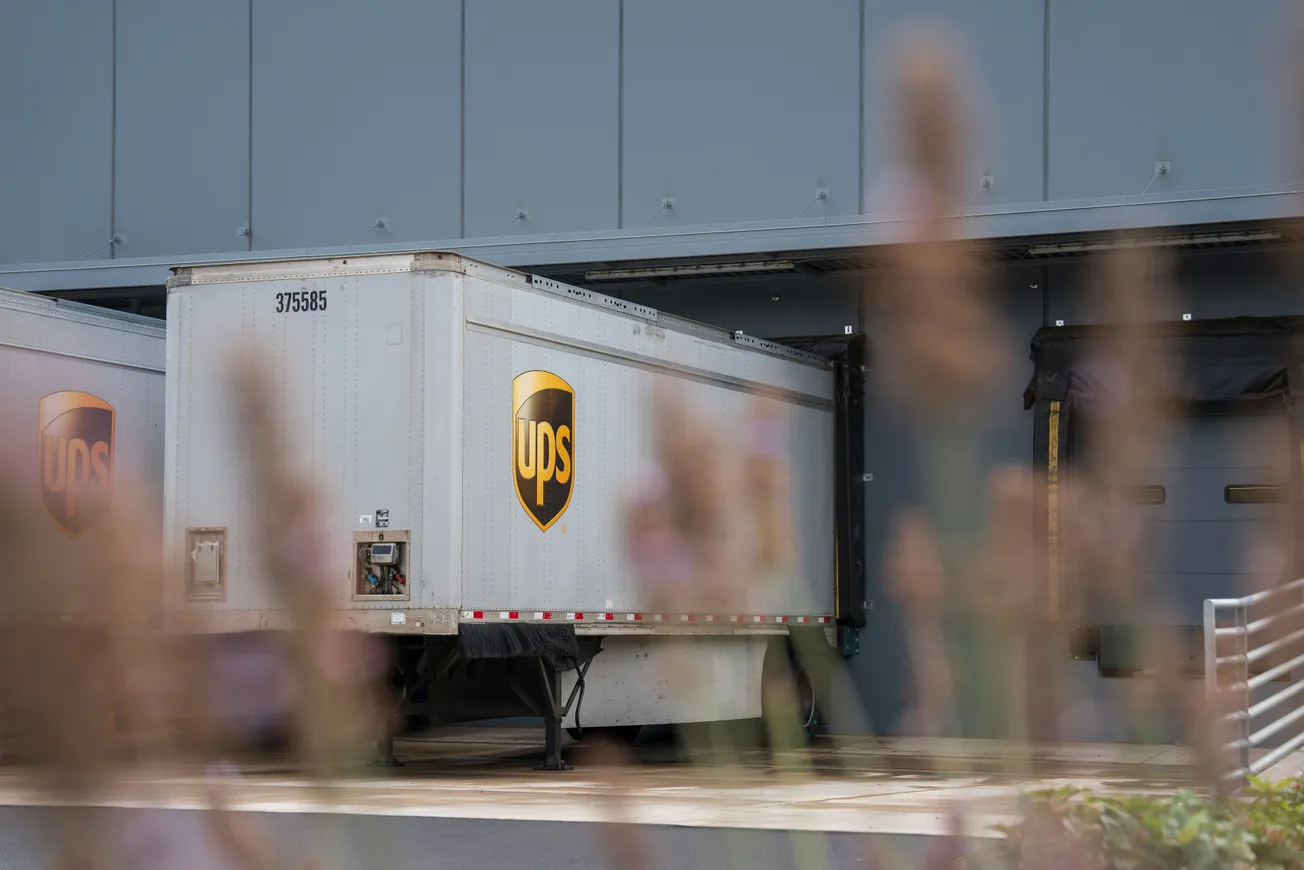

The traditional duopoly of national parcel delivery is facing a sophisticated challenge as regional carriers aggressively expand their footprints to capture market share.
According to a recent analysis by Supply Chain Dive, the landscape of last-mile logistics is being redefined by "alternative" carriers that are no longer confined to small geographic pockets. As UPS and FedEx recalibrate their networks to prioritize high-margin B2B and healthcare sectors, regional players are stepping in to provide the high-volume e-commerce capacity that modern retail demands.
The Rise of the Super-Regional Network
For decades, regional carriers were viewed as supplementary options, useful only for specific "zone-skipping" strategies. However, in 2026, the distinction between "regional" and "national" is blurring. Major players such as OnTrac and GLS US have integrated their networks to cover significant portions of the U.S. population, offering speeds that often rival or exceed the national integrators.
For the Bentonville business ecosystem, this evolution offers a critical relief valve. Thousands of vendors and brands that rely on the omnichannel journey are finding that diversifying their carrier mix is no longer an option—it is a necessity. By leveraging regional networks, companies can insulate themselves from the peak-season surcharges and "demand-driven" pricing models that have become standard among the major national carriers.
Technology as a Competitive Equalizer
The primary driver behind this expansion is the democratization of logistics technology. In previous years, the proprietary routing and tracking systems of UPS and FedEx provided an insurmountable competitive advantage. Today, cloud-based transportation management systems (TMS) and AI-driven route optimization tools allow regional carriers to operate with a level of precision that was previously unattainable.
These technological advances allow for a "Safety by Design" approach to delivery, where real-time data visibility and secure chain-of-custody protocols are standard across the board. For the shopper, the experience remains seamless; the "human touch" of a local delivery driver is backed by a digital infrastructure that ensures the package arrives at the coordinated touchpoint exactly when promised.
Strategic Diversification for Retailers
Retailers are increasingly adopting a "multi-carrier strategy" to manage their supply chain risks. By splitting volume between national integrators and regional specialists, brands can optimize for both cost and speed. For instance, a retailer might use a national carrier for long-haul, high-value shipments while relying on a regional partner for high-density, last-mile residential deliveries in major metro areas.
This shift is particularly relevant as the industry moves toward more sustainable, "regenerative" supply chain practices. Regional carriers, by nature of their smaller, more localized routes, are often better positioned to integrate electric delivery vehicles and micro-fulfillment centers into their operations, reducing the overall carbon footprint of each delivery.
Looking Ahead: A Fragmented but Efficient Future
As we move further into 2026, the parcel delivery market is expected to remain highly competitive. While UPS and FedEx will continue to dominate the global and B2B sectors, the "retail delivery" segment is becoming a battleground for regional innovation.
For industry leaders and community stakeholders, the message is clear: the omnichannel retail center of the world must remain agile. Understanding the capabilities of these expanding regional networks is essential for any brand looking to overcome the barriers of traditional logistics. By embracing a more diverse and technologically integrated delivery ecosystem, the retail industry can ensure that the shopper journey remains uninterrupted, regardless of the pressures felt by any single carrier.
More about parcel delivery:
 Staff Report
 Staff Report
 Staff Report