
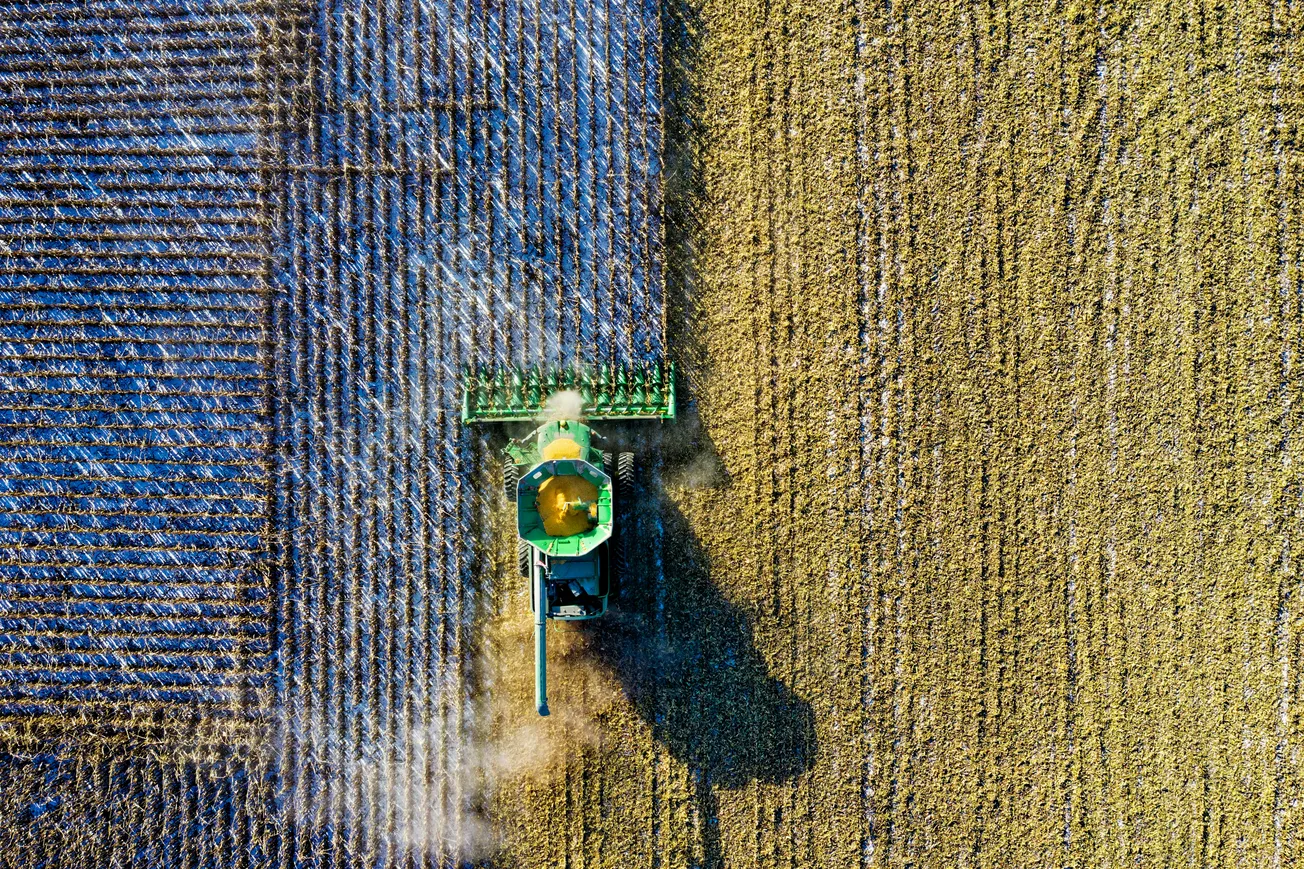
The global agricultural landscape is changing rapidly due to climate challenges, increasing food demands, and the pressing need for sustainable practices.
Regenerative agriculture emerges as a practical solution, focusing not only on sustainability but also on restoring the health of ecosystems that support food production. This blog explores the core principles of regenerative agriculture, the business case for its adoption, and emerging technologies enhancing this critical shift.
What is Regenerative Agriculture?
Regenerative agriculture transcends traditional farming by actively restoring ecosystems. It prioritizes soil health, biodiversity, and efficient water use, creating landscapes resilient to climate disruption. Unlike traditional methods that deplete soil nutrients, regenerative agriculture enriches the soil’s organic matter, improves water retention, and fosters healthy microbial communities.
According to research, regenerative practices such as cover cropping and reduced tillage prevent soil degradation and enhance biodiversity.
Key Principles of Regenerative Agriculture
- No-Till Farming: Reduces soil erosion and promotes microbiome restoration.
- Cover Cropping: Protects soil and enhances nutrient retention.
- Agroforestry: Integrates trees into farmland, enhancing carbon sequestration.
- Composting: Enhances soil fertility with organic matter.
- Sustainable Livestock Management: Optimizes land use through holistic practices.
The Business Case for Regenerative Agriculture
Transitioning to regenerative agriculture offers substantial benefits for businesses:
- Higher Crop Yields: Healthier soil leads to better productivity.
- Reduced Costs: Lower dependency on costly chemicals results in savings.
- Market Participation: Access to carbon credits boosts revenue streams.
- Consumer Demand: Increasing interest in sustainably grown products.
Emerging Technologies in Regenerative Agriculture
Technology plays a critical role in the evolution of regenerative practices:
- AI and Data Analytics: Facilitates decision-making through predictive insights.
- Agricultural Robotics: Enhances efficiency in planting and harvesting.
- Smart Irrigation: Improves water use efficiency through real-time monitoring.
- Blockchain: Ensures traceability in regenerative supply chains.
Challenges in Implementing Regenerative Agriculture
While the benefits are substantial, challenges remain:
- High Initial Costs: Upfront investments in new technologies can be daunting.
- Training Needs: Transitioning farmers require education on regenerative methods.
- Connectivity Issues: Inconsistent internet access can hinder data collection.
- Regulatory Uncertainty: Varying government policies can complicate implementation.
The Future of Regenerative Agriculture
The potential for regenerative agriculture is immense, with trends leaning towards:
- Regenerative Supply Chain Management for sustainable sourcing.
- Deep Learning models predicting crop yields.
- Ongoing investments in innovative agritech solutions.
Conclusion
Adopting regenerative agriculture practices is more than an environmental imperative; it represents a strategic business opportunity that can enhance resilience and profitability. By investing in training and innovative technologies, businesses can pave the way for a sustainable agricultural future. As corporate leaders embrace these changes, they position themselves as pioneers in the journey towards a more resilient and productive agricultural system.