

The global grocery industry is facing a dual challenge: managing thin profit margins while addressing the environmental and economic impact of food waste. As sustainability moves from a corporate social responsibility goal to a core operational requirement, retailers are increasingly turning to technological interventions.
Recent industry discussions, highlighted by analysis from RetailWire, suggest that the integration of dynamic discounting and smarter display technologies offers a viable path to significantly reducing shrink in the fresh categories.
The Economics of Expiration
Food waste in the retail sector is often the result of rigid pricing structures and static merchandising. Traditionally, products nearing their "sell-by" dates are either manually marked down by store associates or discarded entirely. This process is labor-intensive and often reactive, occurring too late to capture value from price-sensitive shoppers.
By implementing AI-driven dynamic discounting, retailers can automate price adjustments based on real-time inventory levels and expiration proximity. These systems analyze historical sales data and current foot traffic to determine the optimal discount required to clear inventory before it spoils. According to data from the Food Industry Association (FMI), improving the turnover of fresh departments not only reduces waste but also enhances the perceived freshness of the store, which is a primary driver of customer loyalty.
Intelligent Displays and the Digital Shelf
Beyond pricing, the physical environment where products are housed is evolving. "Smart" displays equipped with Internet of Things (IoT) sensors and Electronic Shelf Labels (ESL) allow retailers to communicate price changes to consumers instantly. This eliminates the friction of physical re-stickering and ensures that the "digital shelf" in the store app matches the physical shelf in the aisle.
Furthermore, advanced display technology monitors temperature and humidity levels, extending the shelf life of produce and proteins. When these displays are integrated with inventory management systems, they provide managers with early warnings regarding overstock situations. This transparency allows for proactive merchandising shifts—such as moving surplus fruit to a high-traffic endcap or featuring it in an omnichannel promotional push—before the product reaches a critical expiration window.
Consumer Behavior and Sustainability
The success of these initiatives relies heavily on shopper psychology. Modern consumers, particularly younger demographics, are increasingly motivated by "upcycled" food and waste-reduction initiatives. Retailers like Flashfood and Too Good To Go have demonstrated that there is a significant market for "ugly" produce or near-expiration items when marketed transparently.
For suppliers and vendors based in retail hubs like Bentonville, Arkansas, this shift represents an opportunity to collaborate with retailers on packaging and supply chain visibility. When brands provide more granular data regarding the journey of a product from farm to shelf, retailers can better predict the remaining shelf life and adjust their merchandising strategies accordingly.
The Omnichannel Waste Solution
In an omnichannel retail environment, reducing waste also involves managing the "last mile." Grocers are now using predictive analytics to offer near-expiration items as suggestions for immediate delivery or curbside pickup orders. By aligning digital inventory with physical store conditions, retailers can turn potential losses into recovered revenue.
As the industry moves toward a "regenerative" retail model, the focus is shifting from simply selling more products to selling more efficiently. The combination of algorithmic pricing and intelligent infrastructure is proving that profitability and sustainability are not mutually exclusive in the modern grocery landscape.
More about grocery:
 Staff Report
 Staff Report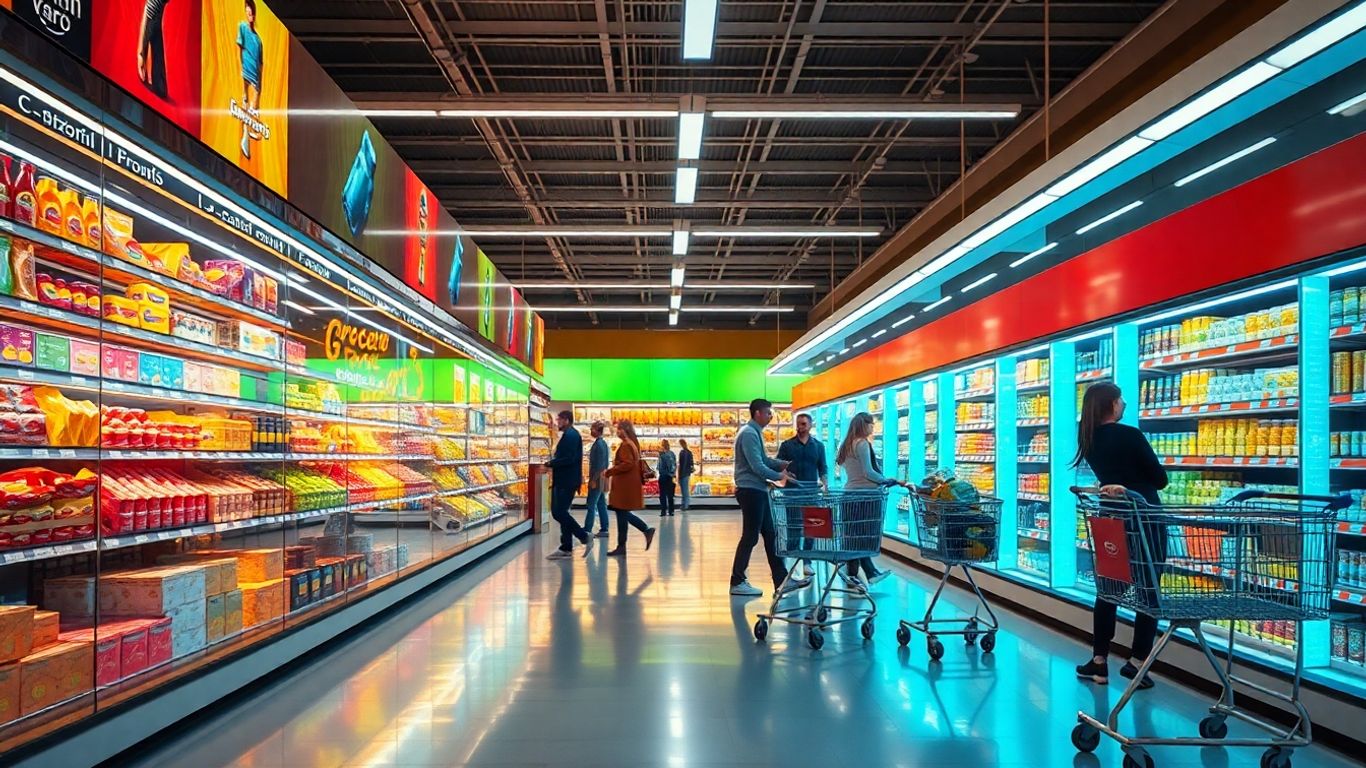
 Staff Report