Technology adoption in quick-service restaurants (QSRs) has accelerated dramatically over the past five years. From self-service kiosks and mobile ordering apps to AI-powered drive-thru systems and automated kitchen equipment, brands have invested heavily in digital transformation to boost speed, labor efficiency and omnichannel customer engagement.
Yet a recent RetailWire discussion raises a critical question for restaurant and retail leaders alike: Is too much technology actually creating friction instead of reducing it?
As QSR operators double down on automation to manage labor shortages and rising costs, some customers are pushing back against increasingly tech-driven experiences.
The Promise of Frictionless Dining
The original business case for QSR technology was clear:
• Reduce labor dependency amid workforce shortages
• Improve order accuracy
• Increase average ticket size through digital upselling
• Accelerate throughput in peak hours
• Collect valuable customer data
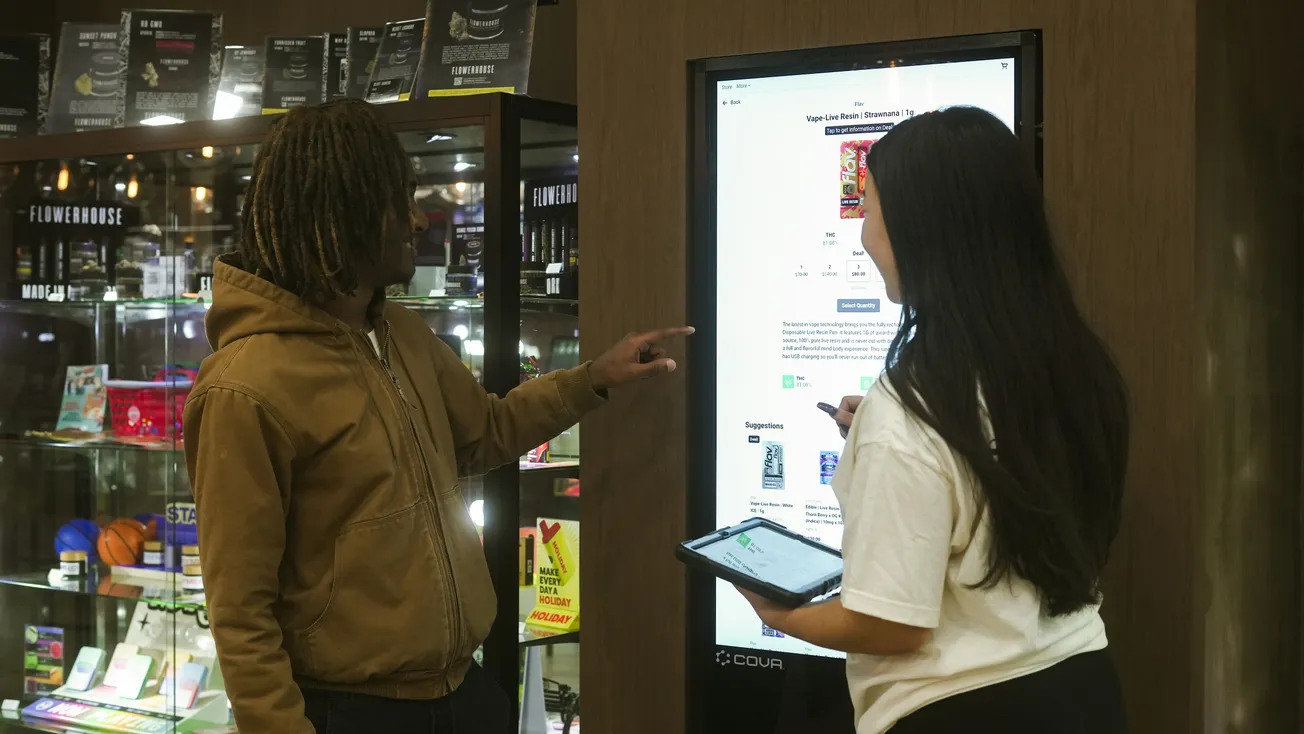
Self-service kiosks, for example, often generate higher average order values because customers feel less rushed and are more receptive to add-ons. Mobile ordering apps support loyalty programs, personalization and order-ahead convenience. AI-driven drive-thrus aim to streamline service while standardizing upselling scripts.
For operators managing razor-thin margins, these efficiencies can materially improve profitability.
Where Friction Emerges
Despite those benefits, friction points are surfacing across multiple customer segments.
1. Forced Digital Adoption
Some customers feel pushed into using kiosks or apps, even when they prefer human interaction. When traditional ordering counters are understaffed or unavailable, technology becomes less of a convenience and more of a mandate.
2. Usability Gaps
Poorly designed interfaces, slow-loading apps or confusing menu navigation can increase order times instead of reducing them. In high-traffic environments, a stalled kiosk can create bottlenecks that ripple through the restaurant.
3. Accessibility Concerns
Elderly customers and those less comfortable with digital tools may struggle with touchscreen interfaces or QR-code-based menus. Inclusivity becomes a brand issue when technology unintentionally alienates certain demographics.
4. Reduced Human Connection
Hospitality remains a core differentiator in food service. Over-automation can dilute brand warmth and eliminate opportunities for frontline employees to resolve issues or build loyalty through personalized service.
These friction points are especially relevant in omnichannel environments, where customers expect seamless transitions between digital and physical experiences.
Operational Gains vs. Experience Risks
For QSR brands, the tension lies in balancing operational efficiency with customer experience.
Automation helps mitigate labor volatility and wage pressure. AI-powered scheduling, predictive demand forecasting and automated kitchen systems can improve supply chain coordination and reduce food waste. In high-volume markets, technology can meaningfully increase throughput.
However, customer frustration can erode brand equity. A single negative ordering experience can undermine loyalty, particularly when competitors offer alternative service models.
The RetailWire discussion suggests that technology is most effective when it augments — rather than replaces — human service. Brands that maintain visible staff presence to assist kiosk users or quickly troubleshoot app issues tend to experience fewer complaints.
Implications for Retail and Omnichannel Strategy
The debate mirrors broader themes across retail. As brick-and-mortar stores integrate AI-powered checkout, smart shelves and app-based navigation, similar concerns arise about digital overload.
In Bentonville and other retail innovation hubs, the omnichannel goal is not simply digitization — it is coordination across touchpoints. Technology should reduce friction across the customer journey, not create new barriers.
QSR operators that align digital investments with customer behavior data are better positioned to strike that balance. For example:
• Offering both staffed counters and kiosks during peak periods
• Designing intuitive interfaces with minimal clicks
• Providing clear signage and staff assistance
• Integrating loyalty rewards seamlessly without excessive prompts
• Using AI to enhance back-of-house efficiency without overcomplicating front-of-house experiences
In short, frictionless retail and dining require thoughtful deployment, not blanket automation.
The Labor and Supply Chain Factor
Behind the scenes, technology in QSRs plays a critical role in supply chain visibility and workforce management. AI-enabled forecasting tools help align ingredient procurement with demand, reducing spoilage and supporting sustainability initiatives.
However, when technology investments are driven solely by labor cost reduction, the customer experience can suffer. The long-term ROI of digital transformation depends not just on operational metrics but on sustained customer satisfaction and repeat visits.
A Path Forward
Technology in quick-service restaurants is not inherently problematic. In many cases, it delivers measurable gains in efficiency and revenue. But the RetailWire debate highlights a growing reality: innovation must remain customer-centered.
The most successful QSR brands will likely adopt a hybrid model — combining AI-driven efficiency with human oversight and hospitality. In an era of omnichannel retail and restaurant convergence, experience consistency is paramount.
As digital transformation accelerates, the key question for QSR leaders is no longer whether to implement technology. It is how to implement it in ways that genuinely reduce friction across every touchpoint of the customer journey.
For brands navigating rising costs, evolving consumer expectations and competitive pressure, the answer may lie not in more technology — but in smarter, more intentional integration.
More about technology:
 Staff Report
 Staff Report
 Staff Report