
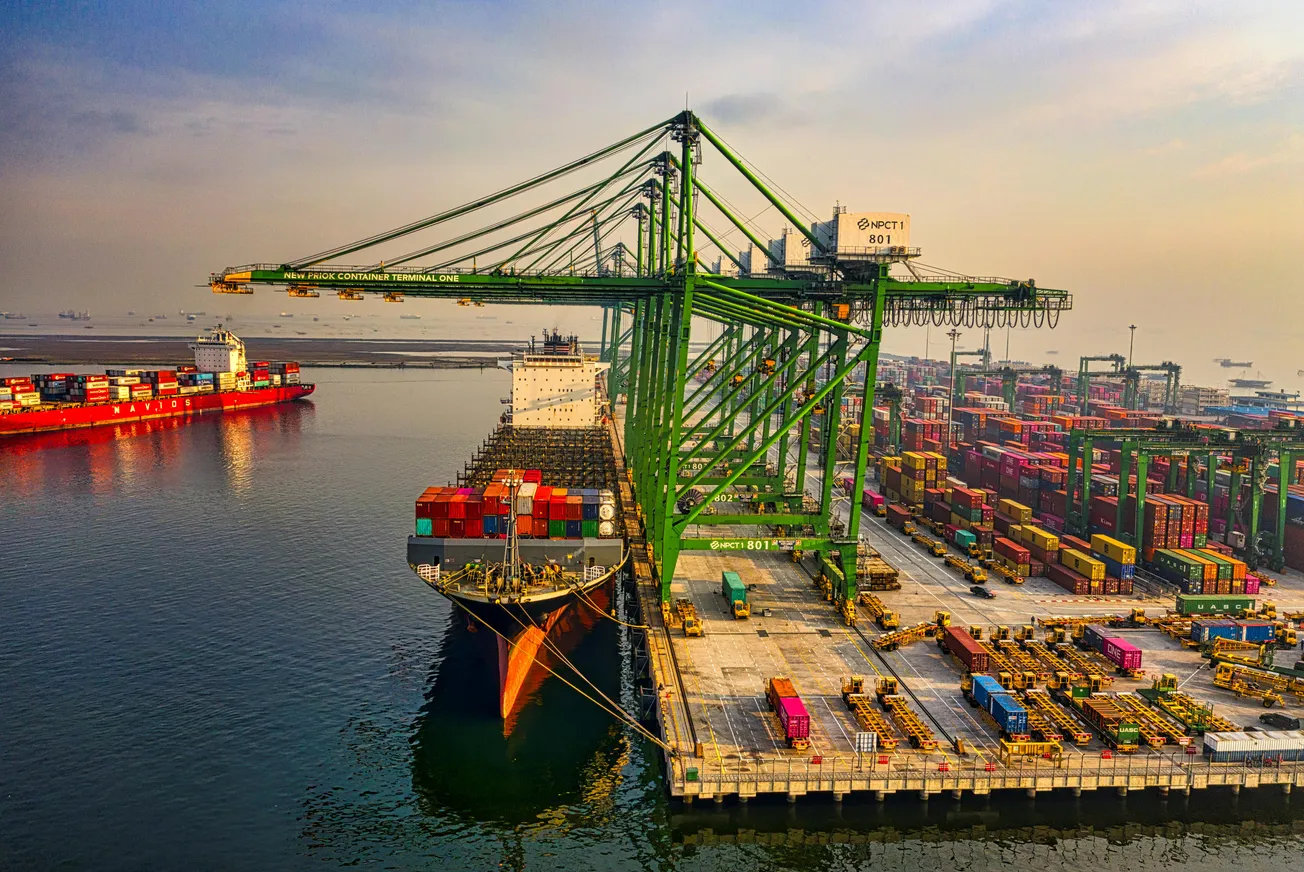
With 2026 on the horizon, tariff policy changes are expected to once again reshape the global trade landscape.
From renewed U.S.–China tensions to shifting geopolitical alliances and emerging protectionist trends, companies across retail, manufacturing, and logistics must plan ahead to navigate increasing complexity and volatility in trade policy.
Anticipated Tariff Shifts
While no single policy will define 2026, several potential developments are on the radar:
- Reinstatement or expansion of Section 301 tariffs on Chinese imports, particularly in categories like electronics, textiles, and furniture.
- Possible new duties tied to environmental standards (e.g., carbon border taxes) impacting imported goods from countries with looser regulations.
- Trade deal renegotiations or enforcement actions, such as with the USMCA, EU, or Indo-Pacific Economic Framework.
- Continued retaliatory measures and shifting WTO rulings that could influence tariff rates unpredictably.
This evolving climate requires companies to move from reactive to proactive trade management.
Strategic Steps to Take Now
1. Reassess Your Supply Chain Exposure
Conduct a comprehensive audit of where your materials, components, or finished goods originate. If your business heavily relies on one country—especially China—it’s time to evaluate alternate sourcing options across Southeast Asia, Latin America, or nearshoring in the U.S. and Mexico.
2. Diversify Suppliers and Logistics Partners
Building redundancy into your sourcing network can reduce single-point failure risks. Look for partners with transparent cost structures and capacity to handle potential shifts in demand.
3. Review Tariff Engineering Opportunities
Adjusting product classifications or specifications may provide some relief through reclassification under less-affected Harmonized Tariff Schedule (HTS) codes.
4. Invest in Trade Compliance and Digital Tools
Equip your teams with customs expertise, automated compliance software, and strong ERP systems that track duties, documentation, and landed costs in real time.
5. Monitor Political Signals and Engage in Advocacy
Stay plugged into government policy updates through industry associations, chambers of commerce, and trade media. Your voice can help shape how future tariffs are applied.
The Bottom Line
Tariffs will remain a strategic variable, not a passing trend. Retailers and manufacturers that build agile, diversified, and intelligence-driven supply chains will be better equipped to handle whatever 2026 brings — whether it's tariff escalation, new trade deals, or global disruptions.