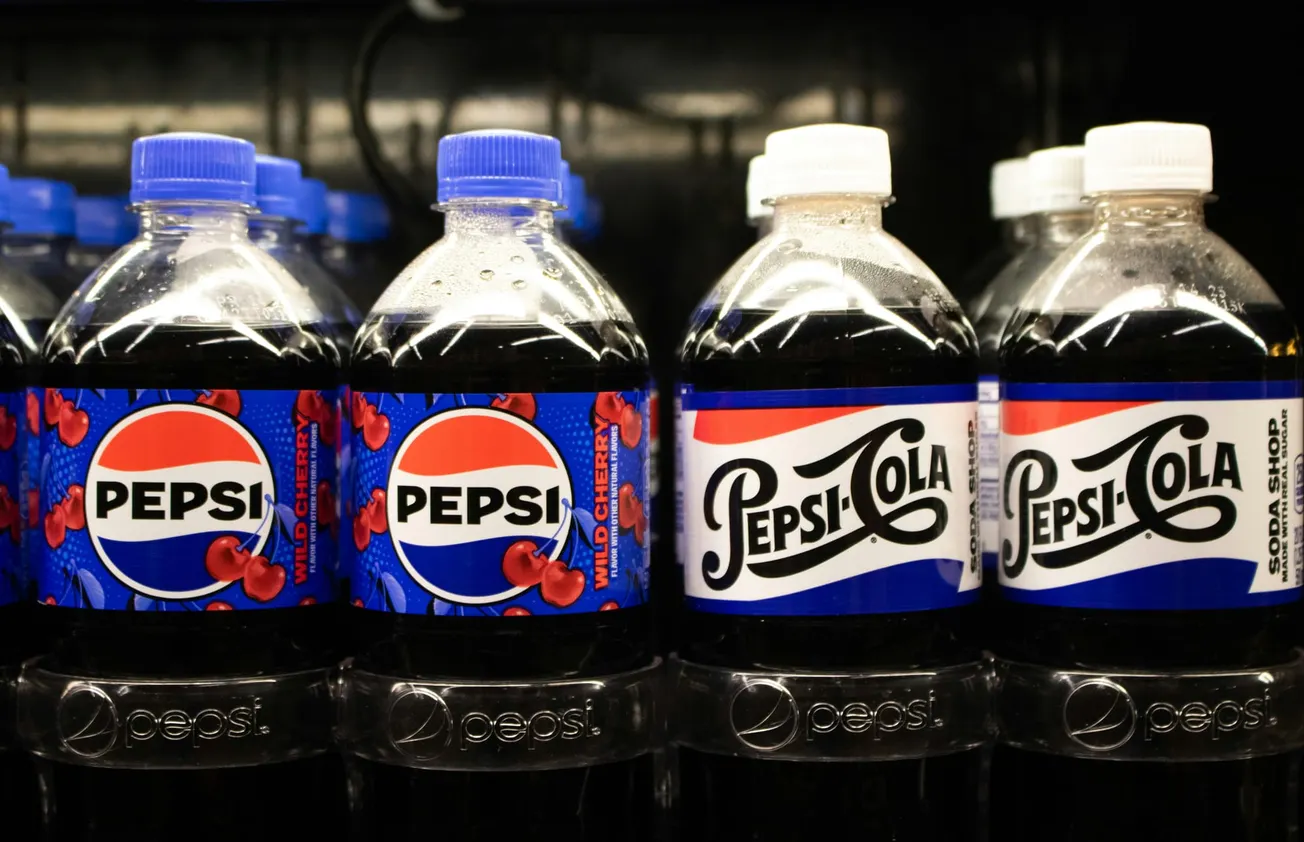
Over Super Bowl weekend, Pepsi launched one of its most strategically layered marketing campaigns of the year with “The Choice,” a 30-second national television spot featuring a polar bear selecting Pepsi Zero Sugar over Coca-Cola Zero in a blind taste test. Directed by Academy Award winner Taika Waititi, the ad revived the legacy of the Pepsi Challenge while packaging it in modern humor, nostalgia, and pop culture relevance, all set to Queen’s “I Want to Break Free.”
The creative leaned directly into decades of cola rivalry, using a familiar mascot and a playful premise to spark conversation rather than simply deliver a product message. While the Super Bowl placement ensured massive reach, the campaign’s real marketing strength came from how Pepsi extended the idea beyond game day and beyond television.
Turning a Broadcast Moment Into a Multi-Channel Marketing Asset
For many brands, a Super Bowl commercial remains a single, high-cost moment with a short shelf life. Pepsi approached “The Choice” differently, treating the ad as the anchor of a broader brand storytelling strategy rather than the finish line.
Instead of allowing the narrative to peak on Sunday night, Pepsi expanded the campaign into additional cultural touchpoints. One notable extension was the appearance of the polar bear character within podcast conversations, reinforcing the brand message in environments where audiences are already engaged and receptive.
This approach reflects a growing shift in modern marketing strategy: maximizing the return on marquee media buys by repurposing creative assets across channels where consumers spend time before and after major events.
Brand Storytelling Built on Nostalgia and Relevance
At its core, “The Choice” worked because it blended nostalgia with contemporary relevance. By reviving the Pepsi Challenge, the brand tapped into a well-known piece of its own history while reframing it for today’s zero-sugar, taste-driven consumer.
The polar bear, long associated with cola advertising, served as a neutral yet emotionally resonant character. Its indecision and eventual choice humanized the taste test concept, turning what could have been a product comparison into a story audiences wanted to discuss and share.
This type of narrative-led marketing aligns with broader trends across consumer packaged goods, where brand equity, humor, and cultural commentary increasingly drive differentiation more than functional claims alone.
Extending Campaign Life Beyond the Super Bowl
One of the most effective aspects of Pepsi’s strategy was its focus on longevity. Rather than concentrating all impact into a single broadcast window, the campaign was designed to live on across multiple formats and platforms.
By integrating the campaign’s creative into additional media environments, Pepsi increased frequency without increasing creative fatigue. Each touchpoint reinforced the same central idea, allowing the brand to stay top of mind well after the final whistle.
This model reflects how leading marketers are rethinking high-profile advertising moments. The Super Bowl becomes a launchpad, not a conclusion, for brand storytelling.
Lessons for Marketers Planning Big-Budget Campaigns
Pepsi’s execution offers several clear takeaways for marketing leaders navigating an increasingly fragmented media landscape.
First, large-scale media buys are most effective when treated as modular assets. Creative developed for television can and should be repurposed across channels to extend reach and relevance.
Second, nostalgia remains a powerful lever when paired with modern context. Revisiting legacy brand moments can resonate with multiple generations if the execution feels fresh rather than recycled.
Finally, cultural integration matters. Campaigns that insert themselves naturally into ongoing conversations tend to generate more earned attention than those that rely solely on interruption-based advertising.
In an environment where consumer attention is scarce and media costs continue to rise, Pepsi’s “The Choice” demonstrates how thoughtful marketing strategy can turn a 30-second commercial into a multi-week, multi-channel brand conversation.
More about marketing:
 Andy Wilson
 Staff Report
 Staff Report