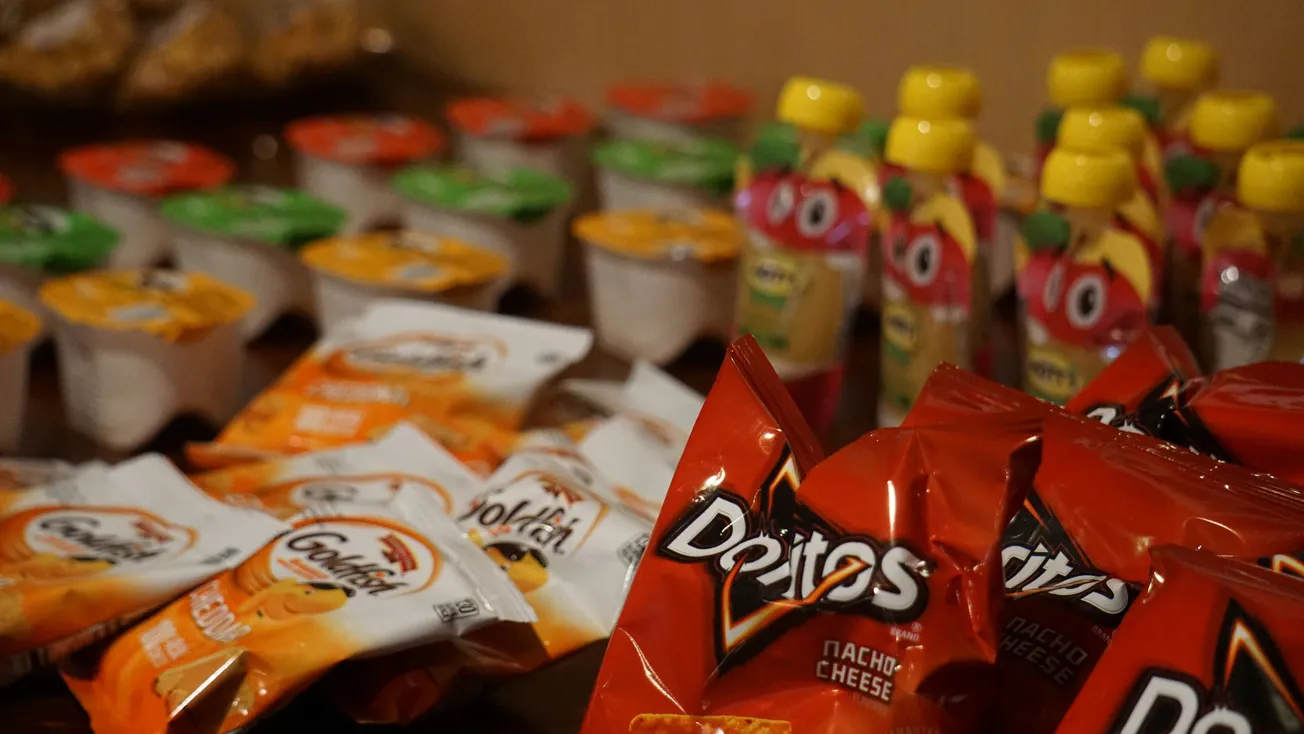
PepsiCo is moving to cut prices across parts of its U.S. snack portfolio, signaling a strategic response to shifting consumer behavior as affordability becomes a dominant factor in purchasing decisions. The move reflects mounting pressure on food and beverage companies to balance margin protection with value perception amid lingering inflation fatigue among shoppers.
Pricing Strategy Responds to Consumer Pressure
According to reporting highlighted by LinkedIn News, PepsiCo plans to lower prices on select snack products to better align with consumer expectations around value. While the company has benefited from prior price increases driven by inflation and supply chain costs, executives now acknowledge that price elasticity is tightening, particularly within center-aisle categories like salty snacks.
Consumers have increasingly traded down, reduced discretionary purchases, or shifted to private labels as food inflation reshaped shopping habits over the past several years. PepsiCo’s pricing adjustment reflects a broader recalibration underway across consumer packaged goods (CPG), where volume growth is once again becoming as important as revenue growth.
Snacks Remain Core, But Value Matters More
Frito-Lay North America remains one of PepsiCo’s most profitable divisions, anchored by brands such as Lay’s, Doritos, Cheetos, and Tostitos. However, even category leaders are not immune to price sensitivity. As shoppers scrutinize everyday purchases, snack brands face heightened competition not only from store brands but also from alternative value channels.
By selectively reducing prices rather than broadly rolling back increases, PepsiCo appears to be taking a targeted approach—protecting brand equity while attempting to reaccelerate unit sales. This strategy allows the company to defend shelf space and household penetration without undermining its long-term pricing power.
Retailers and Suppliers Rebalance the Value Equation
PepsiCo’s move aligns with a growing trend among major suppliers and retailers to reintroduce sharper price points, promotional depth, and pack-size flexibility. Retailers, in turn, are pushing suppliers to support affordability as shoppers become more promotion-driven and less brand-loyal.
For grocery and mass merchants, supplier-led price adjustments can help stabilize traffic and basket size, particularly as private label continues to gain share. For PepsiCo, maintaining strong retail partnerships is critical as retailers reassess assortments and prioritize brands that help deliver value without sacrificing margins.
Strategic Implications for the CPG Landscape
The decision to cut snack prices underscores a shift from inflation-led growth to volume-led growth across the CPG sector. While cost pressures have eased, consumer confidence remains uneven, forcing manufacturers to adapt pricing strategies more dynamically.
PepsiCo’s pricing reset also serves as a signal to the broader market: affordability is no longer a temporary concern but a structural priority. Brands that fail to respond risk losing relevance in a value-conscious environment where shoppers increasingly compare prices across channels and formats.
As 2026 unfolds, PepsiCo’s approach will be closely watched as an indicator of how major CPG players navigate the next phase of consumer demand—one defined less by inflation resilience and more by value credibility.
More about pricing:
 Ashton York
 Nathan Sellars
 Staff Report