In a move to redefine the speed and sustainability of footwear manufacturing, Swiss sportswear brand On Running has officially launched a new automated production facility in Busan, South Korea.
The factory utilizes advanced robotics to streamline the complex process of creating athletic footwear, marking a strategic pivot away from traditional labor-intensive models. This development comes as global retailers face increasing pressure from geopolitical instability, rising labor costs, and significant tariff hikes.
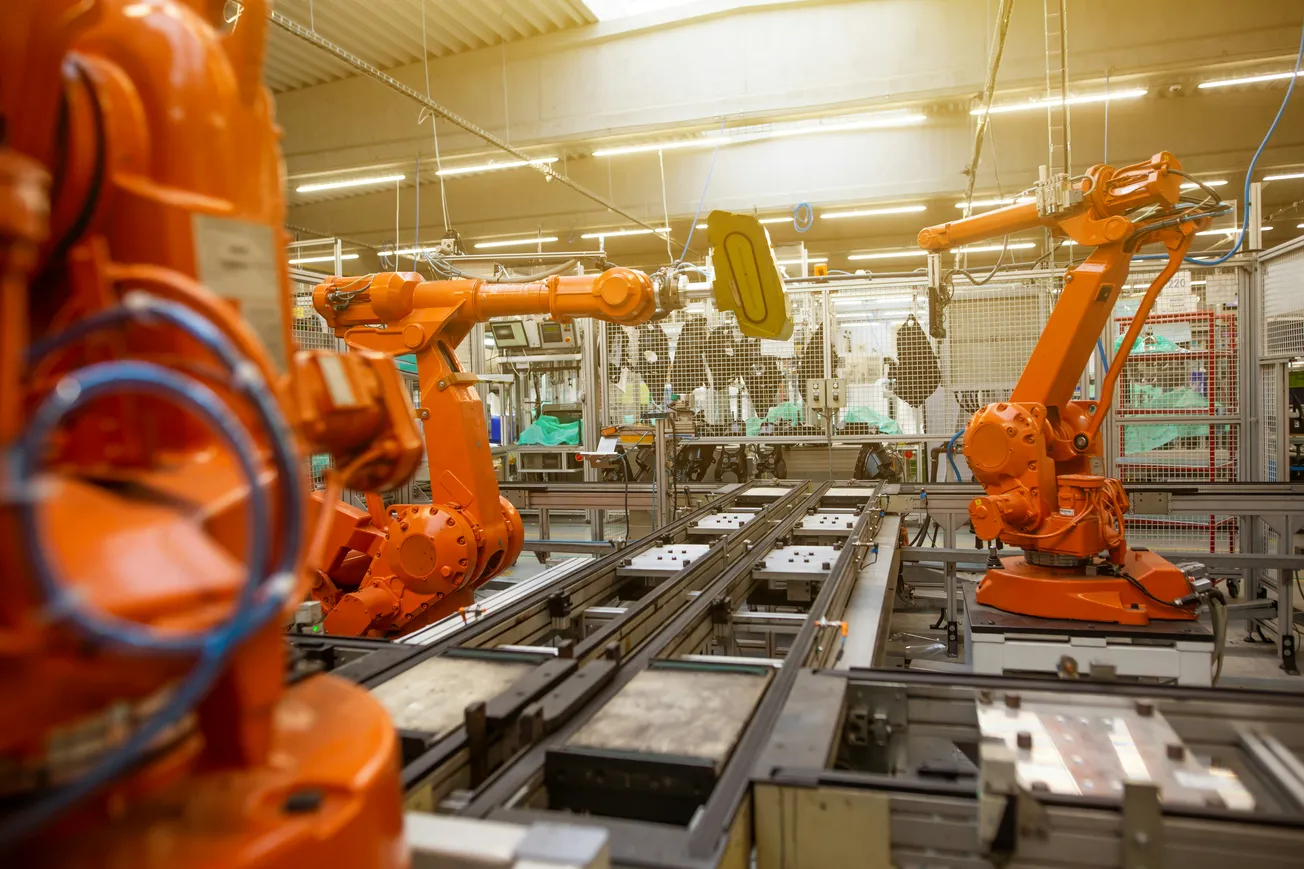
According to a report from Reuters, the Busan facility features 32 robots and employs On’s proprietary "LightSpray" technology. This process uses a robotic arm to spray thermoplastic filament onto a mold, creating a one-piece upper in minutes. By consolidating a process that typically involves 200 individual steps and multiple manufacturing sites into a single automated event, On is positioning itself to disrupt the standard footwear supply chain.
Strategic Nearshoring and Risk Mitigation
The launch is a core component of On’s broader corporate strategy to implement "nearshoring"—the practice of moving manufacturing closer to the end consumer. Currently, 90% of On’s production is concentrated in Vietnam, with the remaining 10% in Indonesia. This heavy reliance on Southeast Asian hubs has left many sportswear brands vulnerable to shipping delays and trade disputes.
Caspar Coppetti, co-founder of On, emphasized that automation is the key to overcoming these barriers. The company plans to replicate this robot-led model with future factories in the United States and Europe, aimed at reducing lead times and minimizing the impact of U.S. import tariffs.
Technological Innovation and Sustainability
The "LightSpray" technology, which debuted during the 2024 Paris Olympics, represents a major leap in physical AI and sustainable manufacturing. Traditional shoe uppers require extensive stitching, gluing, and waste-heavy cutting processes. The robotic spray method significantly reduces material waste and the carbon footprint associated with long-distance shipping.
In Busan, the factory is capable of producing approximately 1,000 pairs of shoes per day. While this represents a fraction of the brand’s total volume, the scalability of the technology suggests a future where localized "micro-factories" could serve specific regional markets. This shift aligns with the evolving shopper journey, where consumers increasingly value product availability and brand transparency regarding environmental impact.
Implications for the Global Retail Ecosystem
For the Bentonville business community and global supply chain leaders, On’s investment in South Korea serves as a critical case study in agility. As the world’s leading retailers seek to demystify the complexities of omnichannel retail, the ability to manufacture products on-demand and near-market becomes a significant competitive advantage.
The move also reflects a broader trend in South Korea, which currently holds the world's highest robot density in manufacturing. By tapping into this high-tech infrastructure, On is not only securing its supply chain but also accelerating its competition with industry giants like Nike and Adidas. The focus on high-performance, marathon-grade gear—validated by elite athletes like Hellen Obiri—proves that automated manufacturing can maintain, and perhaps exceed, the quality of traditional methods.
As On Running looks toward 2026 and beyond, its expansion into robotic manufacturing underscores a fundamental truth in modern business: resilience is built through innovation. By integrating AI and robotics into the very fabric of production, the brand is successfully breaking down the barriers of traditional logistics to meet the demands of a dynamic global market.
More about supply chain:
 Staff Report
 Staff Report
 Staff Report