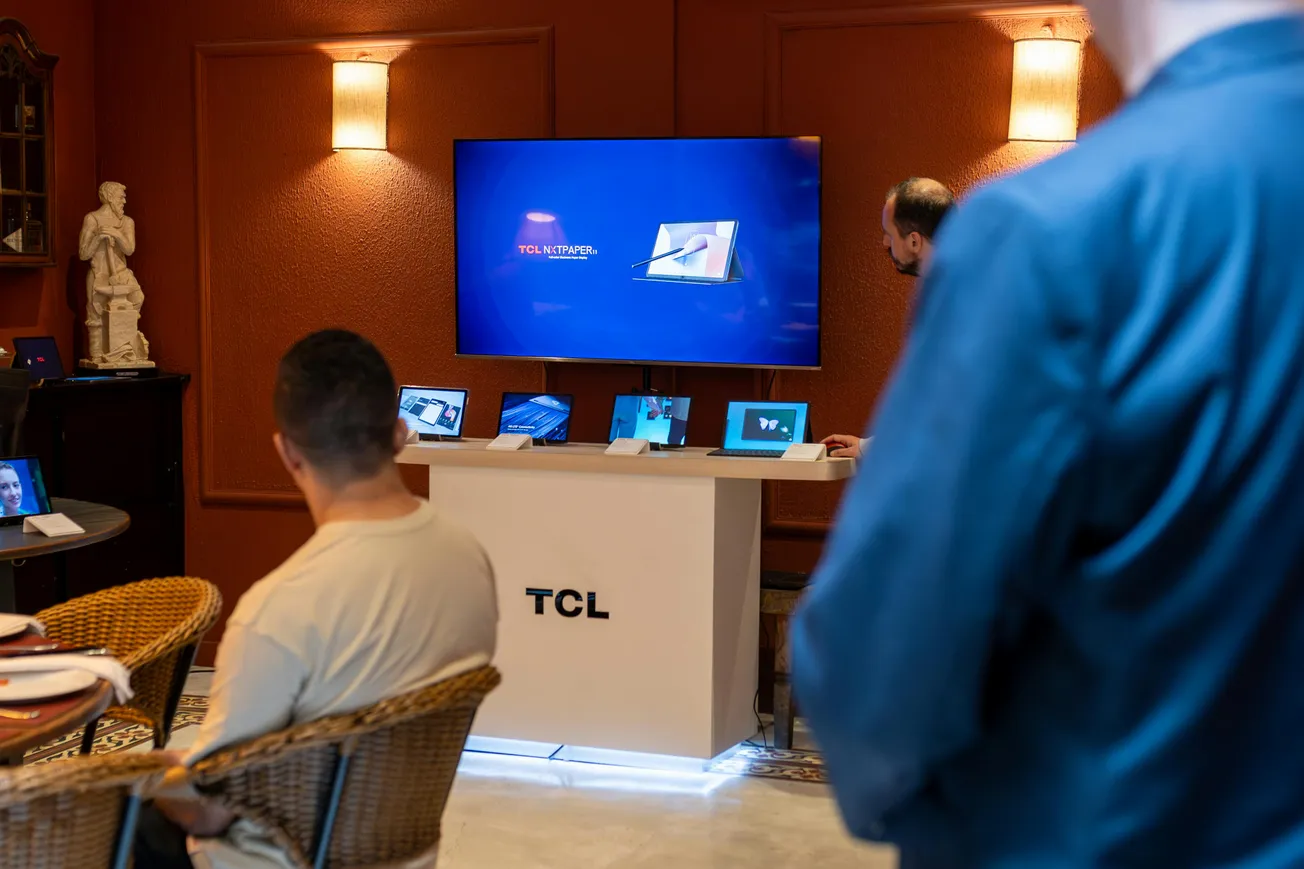

Omnichannel retailing is revolutionizing how businesses interact with consumers by creating cohesive experiences across all shopping platforms. With rapidly changing consumer expectations, understanding and implementing effective omnichannel strategies is crucial for retail success.
What is Omnichannel Retail?
Omnichannel retail represents the integration of all shopping channels into a single cohesive experience for the consumer. This method evolved from earlier retail strategies by connecting various touchpoints like social media, e-commerce, and physical stores, allowing for seamless transitions between platforms.
For example, a customer may discover a product on Instagram, research it on a brand’s website, and then choose to purchase it in-store, all without losing personalized experiences along the way.
The Importance of Omnichannel Retail
The relevance of omnichannel retail in today's market is undeniable. It not only meets the rising customer demand for flexibility and convenience but also enhances business efficiency. Retailers are able to leverage data from multiple touchpoints to personalize customer interactions, thereby boosting satisfaction and loyalty.
Key Benefits
- Enhanced Customer Satisfaction: Seamless experiences across multiple channels mean customers enjoy consistent and tailored journeys.
- Increased Sales and Revenue: A unified shopping experience maximizes sales opportunities, ensuring potential purchases aren't lost due to channel discrepancies.
- Better Inventory Management: Integrated systems provide real-time stock visibility, minimizing lost sales while optimizing inventory allocation.
- Improved Marketing Effectiveness: Insights from various channels help in creating targeted and personalized marketing strategies.
Key Components of an Effective Omnichannel Strategy
To successfully implement an omnichannel approach, retailers must ensure integration across various components:
Unified Commerce Platform
A unified commerce platform is essential to ensuring seamless communication between different retail operations, including inventory management, customer relationship management, and sales systems.
Data Integration and Analytics
Data from all touchpoints must be integrated to provide insights into customer behavior and preferences. This informs marketing efforts and helps streamline inventory management.
Consistent Brand Presence
Maintaining a cohesive brand experience across all channels is crucial. This includes consistency in visual elements and messaging to build customer trust.
Challenges to Keep in Mind
While the benefits of omnichannel retail are significant, retailers may face challenges, such as:
- Technological Barriers: Integrating legacy systems can be a major hurdle, requiring ongoing investment and updates.
- Operational Complexities: Adjusting to an omnichannel model involves significant changes in operational processes across channels.
- Data Security Concerns: Protecting customer data becomes more intricate with increased data capture points.
Conclusion
Establishing a successful omnichannel retail strategy is not just about technology; it also focuses on enhancing the overall customer experience. By embracing integrated systems, leveraging data and analytics, and maintaining a consistent brand message, retailers can foster a loyal customer base that thrives amidst evolving shopping behaviors.
As the lines between physical and digital commerce continue to blur, staying ahead in omnichannel strategy is essential for long-term success.