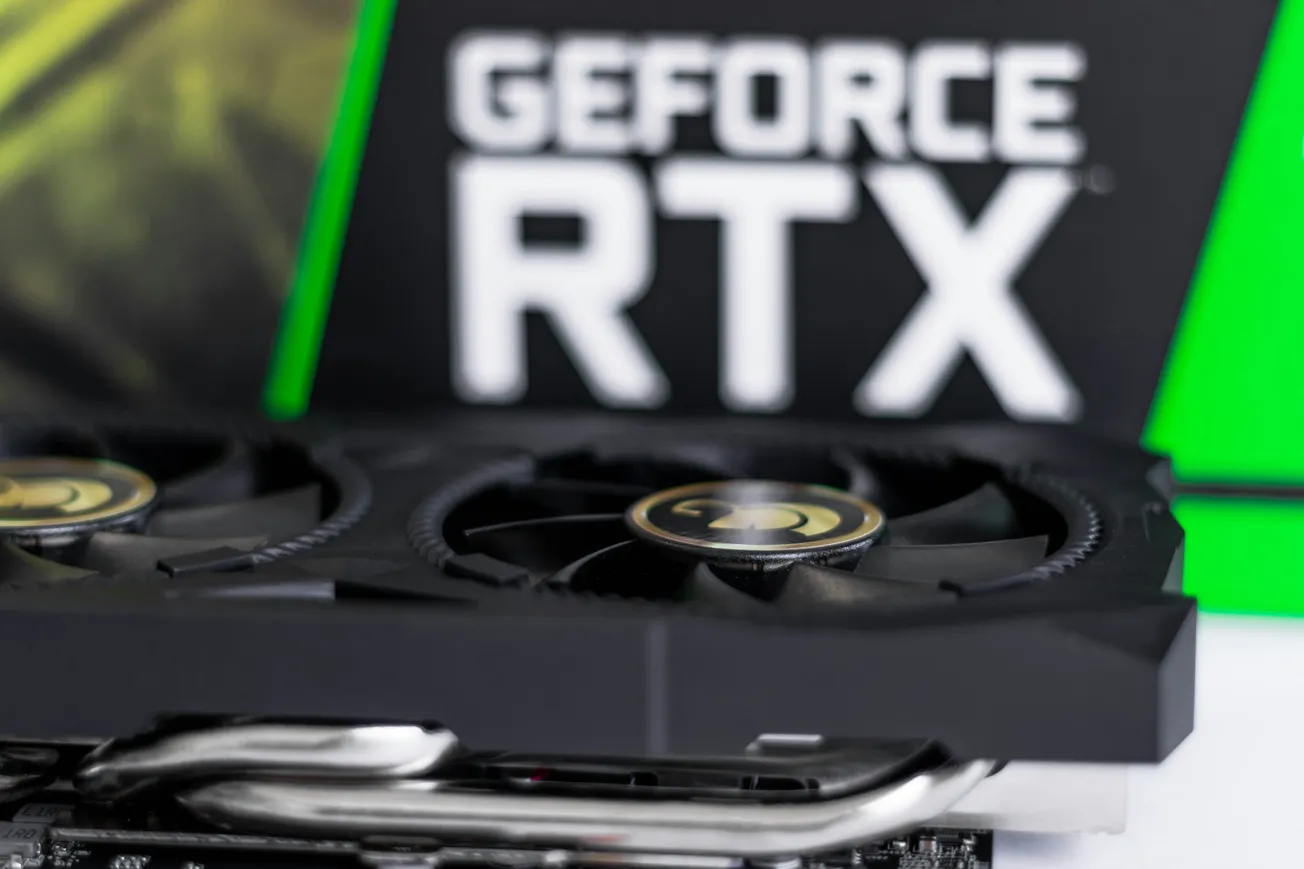
The global business landscape is currently being redefined by a surge in artificial intelligence adoption, with Nvidia positioned at the center of this technological revolution. Recent market data and reporting from Yahoo Finance highlight a sustained demand for Nvidia’s high-end graphics processing units (GPUs), which serve as the foundational hardware for generative AI and large language models.
This shift is not merely a trend in the semiconductor industry; it represents a fundamental change in how corporations approach technology and supply chain logistics.
For business leaders and stakeholders, the performance of Nvidia serves as a primary indicator for the health of the broader AI ecosystem. As companies across all sectors—including retail, logistics, and manufacturing—seek to integrate automated intelligence into their operations, the reliance on specialized hardware has created a high-stakes environment for procurement and corporate strategy.
The Ripple Effect on Global Supply Chains
Nvidia’s dominance has profound implications for global supply chain dynamics. The complexity of manufacturing these advanced chips requires a highly coordinated network of specialized components and rare earth materials. As demand continues to outpace supply, organizations are being forced to rethink their long-term infrastructure planning. This "just-in-case" approach to securing computing power is a stark departure from previous lean-inventory models.
In the context of the retail and logistics hubs like Bentonville, the rise of Nvidia-powered AI is enabling more sophisticated predictive analytics. Retailers are utilizing this computational power to optimize warehouse robotics, refine demand forecasting, and enhance the omnichannel shopper journey. By processing vast amounts of data in real-time, businesses can reduce friction in the supply chain, ensuring that products move from distribution centers to consumers with unprecedented efficiency.
Strategic Implications for Corporate Leadership
Leadership teams are increasingly viewing AI not just as a departmental tool, but as a core component of their competitive advantage. The massive capital expenditures directed toward Nvidia’s hardware reflect a global consensus that AI will be the primary driver of productivity in the coming decade. However, this reliance also presents risks, particularly regarding market concentration and the potential for supply bottlenecks in the hardware sector.
Furthermore, the integration of AI is driving a transformation in labor and operational management. As businesses deploy more AI-driven solutions, there is a growing need for upskilling the workforce to manage and interpret the outputs of these systems. This evolution aligns with the broader mission of demystifying complex technologies, ensuring that human expertise remains a critical component of the high-tech business environment.
Future Outlook and Market Stability
While Nvidia’s growth has been historic, analysts remain focused on the sustainability of this trajectory. The transition from AI experimentation to full-scale enterprise implementation is the next critical phase. As software developers create more efficient ways to utilize existing hardware, the pressure on the physical supply chain may stabilize. Nevertheless, the current momentum underscores the fact that the digital landscape is moving toward a more automated, data-rich future.
For investors and community leaders, tracking these developments is essential for understanding the future of global commerce. The synergy between high-performance hardware and strategic business applications is creating a new standard for excellence in the modern era of omnichannel retail and global logistics.
More about Nvidia:
 Staff Report
 Staff Report