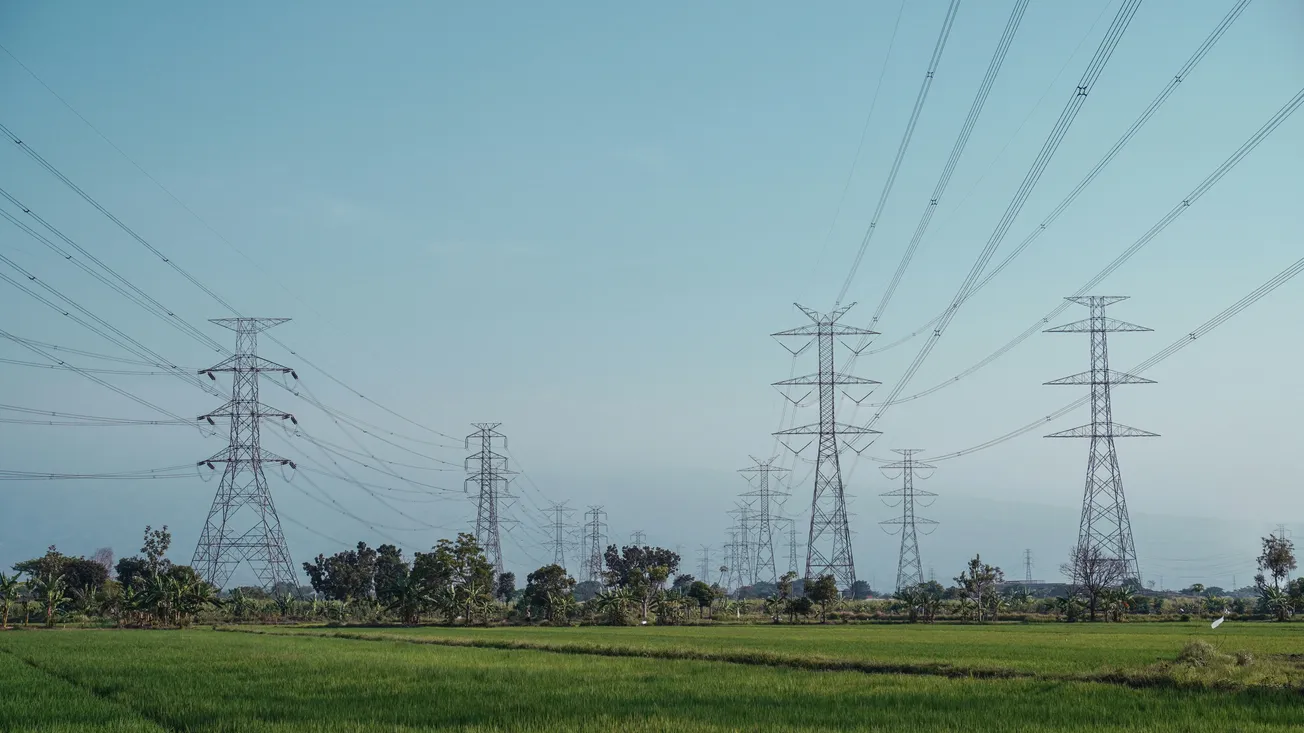
For nearly two decades, the North American power sector operated under a paradigm of stagnant demand. Utilities focused on retiring legacy coal assets while integrating intermittent renewables, operating under the assumption that load growth would remain near zero. However, a sudden convergence of artificial intelligence, data center expansion, and industrial reshoring has shattered that stability, pushing the electrical grid into its most significant reckoning in a generation.
According to insights shared by S&P Global Energy analysts Hill Vaden and Doug Giuffre on The POWER Podcast, the industry is currently grappling with a supply crisis that has outpaced funding, permitting, and construction capabilities. The "boiling frog" of incremental demand has finally reached a breaking point, requiring an immediate and massive response from regulators and investors alike.
The AI and Data Center Catalyst
The primary driver of this shift is the explosive growth of data centers. While 10-year load growth projections previously sat below one percent annually, current forecasts from S&P Global Energy have surged to between 2.5 and 3 percent. In regions like Ohio and the Midcontinent Independent System Operator (MISO) territory, which impacts the broader Midwest supply chain, new facilities are expected to hit the grid within the next three to four years.
This demand is not limited to tech hubs. The reshoring of manufacturing and the continued electrification of transportation are compounding the load. For the omnichannel retail sector, which relies on high-tech distribution centers and a seamless digital cold chain, the reliability of the grid is no longer a background concern but a critical business risk. Companies operating out of Bentonville and other global retail centers must now account for energy volatility as a primary factor in supply chain resilience.
The Resurgence of Natural Gas and Nuclear
To meet this urgent need, the market is pivoting back to firm, dispatchable power. In 2025, U.S. gas turbine orders reached a 20-year high of 43 GW, a level of activity not seen since the merchant power boom of the early 2000s. This surge has led to significant supply chain bottlenecks, with turbine backlogs now stretching to five years and construction costs for new combined-cycle plants effectively doubling.
Nuclear energy is also experiencing a renaissance, supported by rare bipartisan political backing. Key developments include:
- Plant Restarts: High-profile projects like the Three Mile Island (Crane Energy Center) restart are paving the way for firm, carbon-free baseload power.
- Capacity Uprates: S&P Global Energy estimates over 5 GW of uprate potential within the existing nuclear fleet.
- Small Modular Reactors (SMRs): While largely a post-2030 solution, SMRs are attracting significant equity financing, though project-level financing remains a hurdle.
Implications for Omnichannel Retail and Supply Chain
The energy crisis has direct consequences for the logistics and retail sectors. As hyperscalers—the massive tech firms driving AI—scramble for power, they are increasingly willing to pay a premium for immediate reliability. This includes the adoption of natural gas fuel cells for behind-the-meter applications, providing a localized power solution that bypasses traditional grid delays.
For retail leaders, the rising cost of electricity and potential grid instability pose a threat to the "always-on" nature of omnichannel commerce. From automated fulfillment centers to the data-heavy requirements of generative AI in merchandising, the energy footprint of modern retail is expanding just as the grid is most constrained. Strategic investment in microgrids and hybrid power purchase agreements (PPAs)—often pairing solar with battery storage—is becoming a standard defensive move for major corporations.
Market Volatility and M&A Activity
The urgency of the power crisis has ignited a red-hot mergers-and-acquisitions market. Existing gas-fired generation assets that were valued at $800/kW just two years ago are now commanding prices nearing $2,400/kW. Private equity firms and infrastructure funds are increasingly taking developers private to bypass the constraints of public markets and accelerate project timelines.
As the industry moves through 2026, the focus will remain on balancing aggressive decarbonization goals with the immediate need for affordability and reliability. Policymakers may be forced to make difficult compromises to prevent energy costs from stifling economic growth, particularly in manufacturing and retail-heavy corridors.
More about power:
 Dan Craft
 Staff Report
 Staff Report