
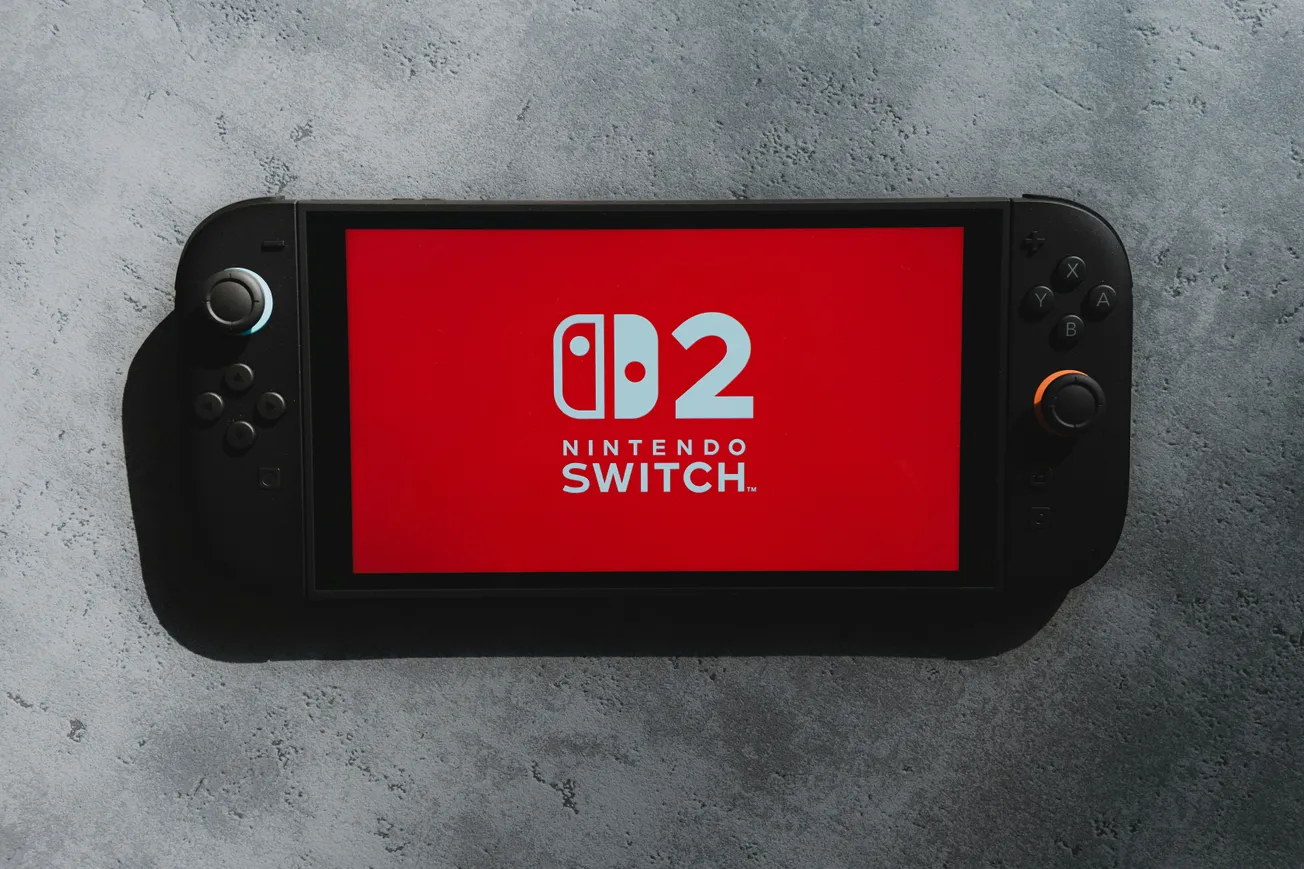
Nintendo Maintains Switch 2 Sales Forecast, Reports Strong Fiscal Results
Nintendo Co., Ltd. reaffirmed its forecast to sell 19 million Nintendo Switch 2 consoles by the end of its fiscal year ending March 31, 2026, while delivering stronger-than-expected earnings for its most recent quarter. The company’s results reflect robust demand for its latest hardware and software ecosystem, underscoring the enduring strength of Nintendo’s hybrid gaming platform.
Strong Q3 Performance Drives Profit Growth
For the fiscal third quarter ended December 31, 2025, Nintendo reported a net profit of 159.93 billion yen, surpassing analysts’ expectations of approximately 147.3 billion yen. Revenue surged sharply, up about 86 % year-over-year, a dynamic likely driven by Switch 2 hardware and software sales.
Across the nine-month period from April through December, the company saw net profit increase more than 50 %, reaching approximately 358.9 billion yen ($2.3 billion). Revenue nearly doubled to around 1.9 trillion yen ($12 billion) compared with the prior year, data compiled from the latest earnings releases show.
Nintendo’s stock responded positively to the figures, rising modestly on the announcement as investors digested the sustained sales momentum.
Switch 2 Remains Central to Growth Strategy
Since its launch on June 5, 2025, the Nintendo Switch 2 has exceeded expectations in global markets. As of December 31, the Switch 2 had already sold approximately 17.37 million units, establishing it as one of the fastest-selling consoles in Nintendo’s history.
Despite this strong performance, Nintendo has opted to maintain rather than revise upward its fiscal year sales target of 19 million Switch 2 units. That decision suggests confidence in the current trajectory while remaining cautious about potential market headwinds, such as hardware supply constraints or softer demand in later quarters.
The company’s broader hardware install base is still building, and the lifecycle of console sales — traditionally peaking in the holiday season — means later quarters will be critical for hitting or exceeding guidance.
Software and Ecosystem Support
Nintendo’s strategy of pairing strong hardware demand with compelling software titles continues to pay dividends. Key game releases and high attach rates — particularly from top sellers — have boosted engagement and provided a recurring revenue stream for the company’s core gaming business.
The success of first-party titles, classic franchises, and a robust third-party pipeline remains pivotal to sustaining Switch 2 momentum in the competitive gaming landscape.
Broader Market Context
Nintendo’s sustained performance with Switch 2 stands out in a market where hardware manufacturers often face supply chain pressures and shifting consumer preferences. In recent months, industry reports highlighted rising memory chip costs due to strong demand tied to artificial intelligence computing, which could translate into higher manufacturing expenses for electronics firms, including game system makers.
Moreover, Nintendo’s switch to a more advanced hybrid system with improved graphics and performance appears to resonate with both new and existing users — a critical factor as it builds toward its 19 million-unit sales goal.
Looking Ahead
Nintendo’s fiscal year will close on March 31, 2026, and the company’s ability to maintain hardware momentum through the final quarter will be closely watched. With its established brand, popular intellectual property, and a growing global install base, Nintendo is positioned to leverage the Switch 2 platform well into the competitive landscape of next-generation gaming.
The reaffirmed forecast emphasizes strategic steadiness: while momentum is strong, Nintendo is balancing optimism with measured expectations amid broader industry dynamics that could impact supply and consumer spending.
More about tech:
 Nathan Sellars
 Staff Report
 Staff Report