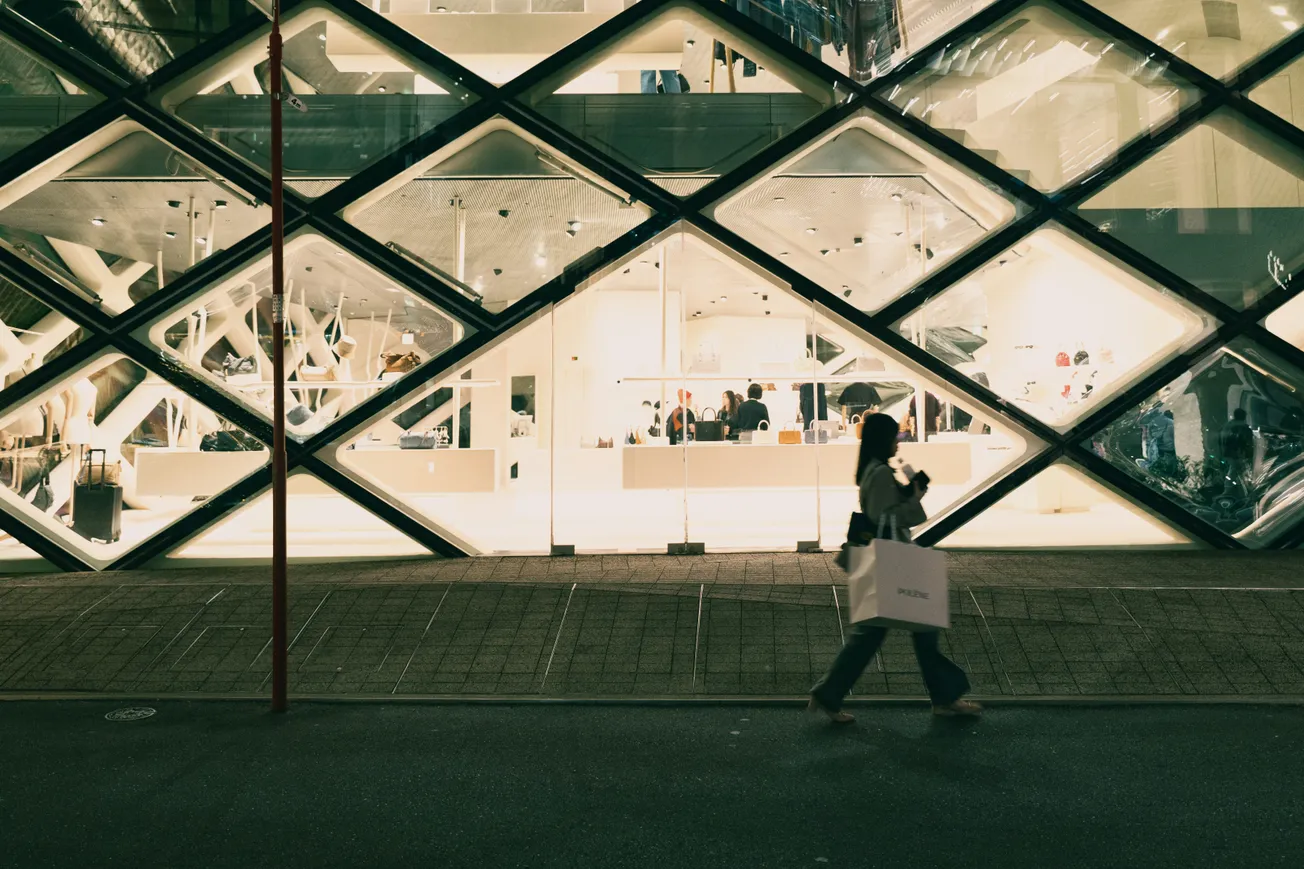
Saks Global is navigating a transformative Chapter 11 bankruptcy process that is significantly altering the footprint of American luxury retail. In a series of strategic maneuvers following its January 2026 filing, the company has signaled a clear shift in its corporate strategy: Neiman Marcus is increasingly becoming the dominant physical face of the organization.
The retail giant recently announced the closure of 15 additional full-line stores—comprising 12 Saks Fifth Avenue locations and three Neiman Marcus stores—slated to shut down by the end of May 2026. This follows an initial round of nine closures in February. When the current optimization plan is finalized, the company will operate a refined network of 32 Neiman Marcus locations compared to just 13 Saks Fifth Avenue storefronts.
Strategic Optimization and Brand Differentiation
The disparity in store counts highlights a deliberate effort by Saks Global CEO Geoffroy van Raemdonck to leverage the historical strengths of each banner. Van Raemdonck, who previously led Neiman Marcus Group through its own successful 2020 restructuring, is focusing resources on the most profitable high-street locations.
"Our go-forward store portfolio will comprise the best-performing and most desirable locations in markets with the highest concentration of luxury customers," van Raemdonck stated in a recent company announcement.
By prioritizing Neiman Marcus in markets where both brands previously overlapped, Saks Global is addressing the "mall cannibalization" that occurred after the two rivals merged in late 2024. Analysts suggest that Neiman Marcus often maintained stronger vendor relationships and higher sales per square foot in these shared environments, making it the more viable anchor for the company’s long-term omnichannel retail strategy.
Rebuilding the Supply Chain and Vendor Trust
A critical component of the restructuring involves repairing damaged relationships with luxury maisons. Saks Global has reported significant progress, reaching or nearing agreements with more than 175 brands. This stabilization has facilitated the release of approximately $1.3 billion in retail receipts, as over 500 vendors have resumed inventory shipments.
The company is utilizing $1.75 billion in committed capital to fund these new orders, ensuring that the remaining 45 department stores (including Bergdorf Goodman in New York) remain stocked with the exclusive merchandise luxury shoppers expect. This infusion of liquidity is essential for maintaining the "halo effect" required to drive full-price selling in a competitive digital and physical landscape.
The Omnichannel Future
While the physical footprint is shrinking, the emphasis on digital integration is intensifying. Saks Global is winding down the majority of its off-price operations, including Saks OFF 5TH and Neiman Marcus Last Call, to pivot toward a "luxury-first" model. This involves redirecting home goods traffic from the now-shuttered Horchow.com to NeimanMarcus.com and utilizing remaining physical stores as high-touch fulfillment and styling hubs.
The company's strategy reflects a broader trend in the retail industry where the "shopper journey" is no longer linear. By concentrating physical assets in elite markets and scaling digital reach, Saks Global aims to create a more seamless, personalized experience that survives the current volatility of the luxury sector.
As the bankruptcy proceedings continue in the U.S. Bankruptcy Court for the Southern District of Texas, the industry is watching closely to see if this "Neiman-forward" approach can successfully stabilize one of the most iconic portfolios in global retail.
More about Saks Global:
 Staff Report
 Staff Report
 Staff Report