
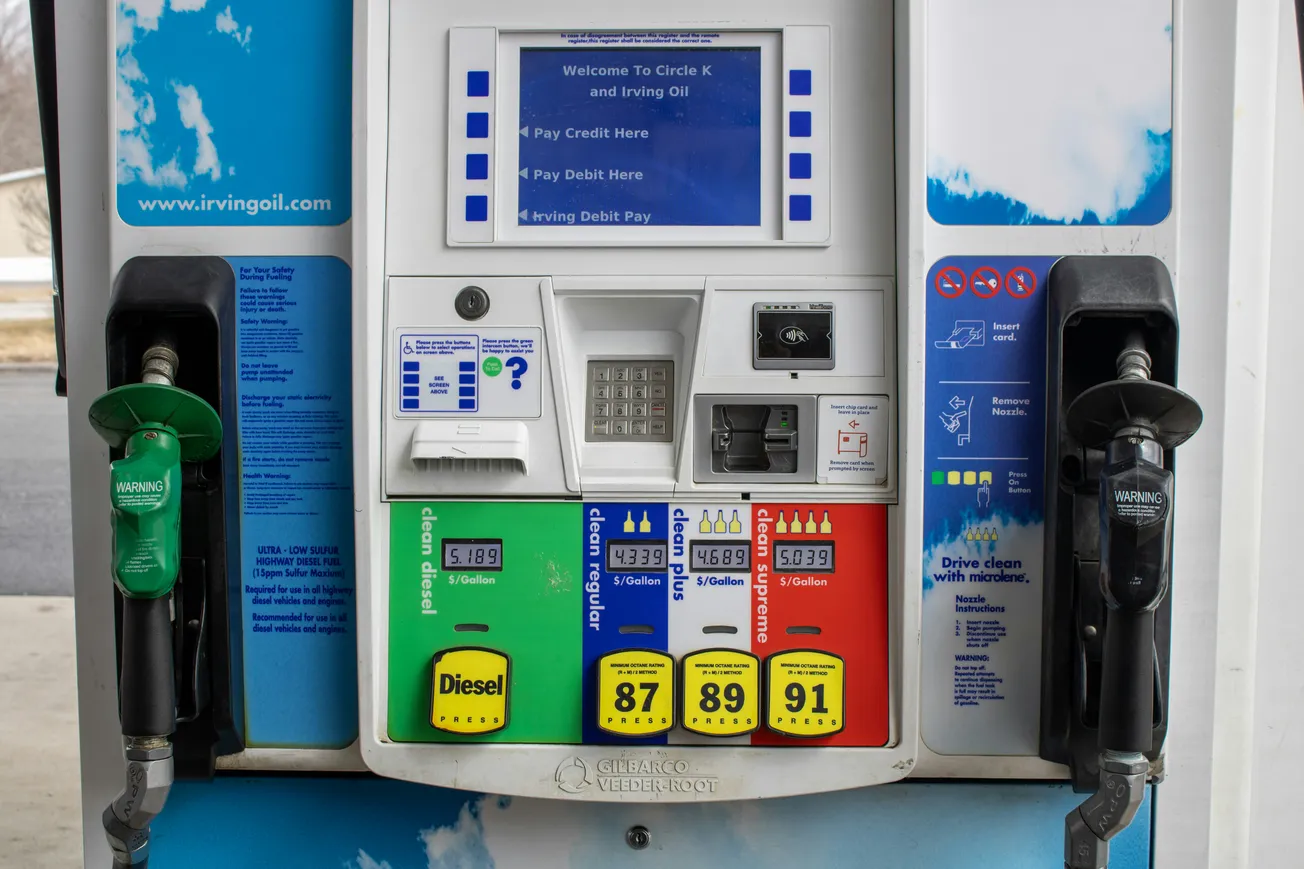
The U.S. retail and logistics landscape is facing a sudden disruption as gasoline prices experience their sharpest weekly increase in nearly four years. According to reports from The New York Times, the national average for regular unleaded gasoline jumped to $3.32 per gallon as of March 7, 2026. This 14% surge follows a 13-week period of relative stability where prices remained below the $3.00 threshold, marking a significant pivot for both corporate strategy and consumer behavior.
Geopolitical Pressures and Supply Chain Resilience
The catalyst for this volatility is primarily tied to escalating tensions in the Middle East, specifically affecting the Strait of Hormuz. As a critical artery for global energy transit, any disruption in this region triggers an immediate "fear premium" in crude oil markets. For the Bentonville business community, these global events have direct local consequences. Logistics providers and vendors are already reporting a spike in fuel surcharges, which complicates the cost-of-goods-sold (COGS) calculations for the spring season.
While regional disparities remain—with Arkansas and Oklahoma maintaining some of the lowest prices at roughly $2.70 per gallon—coastal hubs like California are seeing averages exceed $4.60. This creates a fragmented operational environment where supply chain efficiency must be managed with extreme regional precision.
Retail Impact and the "Gas Tax" Effect
The rapid increase at the pump acts as a de facto tax on the American consumer, often siphoning discretionary funds away from retail categories like apparel and electronics. Initial data suggests a "defensive crouch" among shoppers, who are prioritizing essential consumables over high-margin "wants." For omnichannel retailers, this shift requires a high level of agility in merchandising and inventory management.
Retail leaders are monitoring whether this spike will lead to "demand destruction"—a scenario where high costs lead to a sustained drop in consumer activity. Companies like Target and Amazon have already noted that rising logistics and warehousing costs could add billions in unforeseen expenses if the trend continues into the second half of 2026.
Accelerating Technological Adaptation
One strategic response to this energy shock is the accelerated adoption of technology. The logistics industry is seeing renewed urgency in the transition to electric delivery vehicles (EVs) and hydrogen-cell trucking to insulate operations from oil market volatility. In Bentonville, the intersection of technology and retail has long focused on last-mile delivery efficiency; these rising fuel costs serve as a powerful incentive to finalize and scale those autonomous and electric solutions.
Furthermore, retailers are leveraging advanced data analytics to predict how price elasticity will affect specific store clusters. By understanding which demographics are most sensitive to gas price fluctuations, companies can adjust digital marketing and promotional cadences in real-time.
Looking Toward Economic Stability
Economists and industry leaders are now focused on the duration of this spike. While the U.S. Energy Information Administration (EIA) had previously forecasted a general decline in prices for 2026 due to increased vehicle fleet efficiency, the current geopolitical "black swan" event has forced a re-evaluation. The ability of the retail ecosystem to absorb these costs without passing significant increases to the consumer will be the defining challenge of the current quarter.
As the industry navigates this energy shock, the focus remains on transparency and strategic foresight. For the Bentonville hub, the goal is to ensure that the omnichannel journey remains seamless, regardless of the pressures felt at the pump.
More about gas and oil:
 Staff Report
 Staff Report
 Staff Report