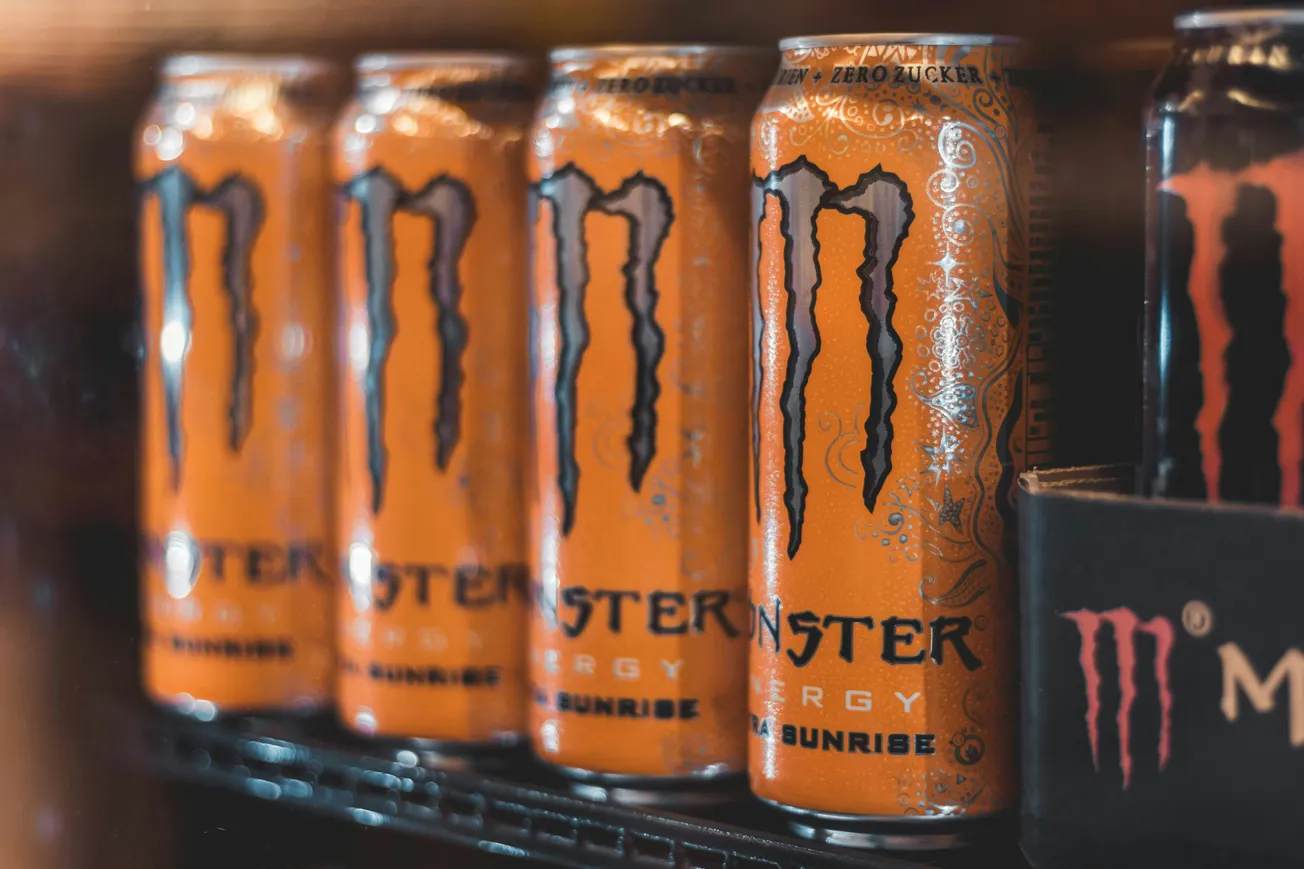
Monster Energy surprised enthusiasts and industry watchers in January 2026 by releasing three highly anticipated drinks ahead of their scheduled nationwide launch dates, with availability at select retailers such as Circle K, Casey’s, AMPM, and regional convenience stores — including a Mardi Gras-themed Monster Juice Voodoo Grape and two Monster Ultra flavored variants.
This tactic — early localized rollouts — functions as a marketing lever. By granting limited market access before national campaigns, Monster generates buzz, localized scarcity and social media attention, all of which support broader promotional goals while testing real-world demand.
Creating Buzz Through Retail Partnerships
The early launch strategy highlights how Monster leverages retail channel synergy as part of its broader brand engagement playbook. In collaborations with Casey’s and Circle K, the brand attaches exclusivity and experiential value to specific outlets, encouraging consumers to actively seek out new flavors — a form of experiential retail marketing.
Exclusive early releases like these give key partners differentiated product offers that can drive foot traffic while also amplifying Monster’s presence in competitive convenience retail environments — critical for an impulse-driven category like energy drinks.
Aligning Marketing with Broader Strategic Goals
Monster’s decision to accelerate these product releases also aligns with broader messaging and engagement objectives. Energy drink consumers — particularly younger, active, and flavor-curious segments — respond to frequent innovation and novelty. This consumer expectation is evident in early 2026 trends, where Monster and competitors pushed multiple new flavors, formats and zero-sugar choices early in the year.
Further, according to digital marketing case studies, Monster’s broader marketing strategy is centered on high-visibility content, influencer partnerships, and event sponsorships — all designed to heighten engagement and brand recall among target demographics.
Scarcity & Community Engagement
Releasing products earlier in limited geographies also taps into psychological drivers like scarcity and first-mover excitement. These releases become social talking points — amplified on TikTok, Reddit and fan communities — giving Monster organic content beyond paid advertising.
This approach echoes trends in modern consumer marketing where brands leverage community voice and UGC (user-generated content) rather than relying purely on traditional broadcast campaigns. For high-frequency purchase categories such as energy drinks, maintaining relevance requires both consistent innovation and agile go-to-market tactics.
Competitive Positioning in a Crowded Category
Early access drops also help Monster stay competitive against contemporaries like Red Bull, Bang and Reign, which are also introducing new products and flavors early in 2026.
In a category where shelf space is limited and consumers make rapid buying decisions, frequent product refreshes and localized exclusives increase visibility and can prevent competitor encroachment. This aggressive launch cadence can be especially effective at convenience stores and c-stores — environments where energy drinks often capture premium placement.
Looking Ahead: Innovation Meets Marketing Execution
Monster’s use of early releases illustrates a tactical intersection of product innovation, retail marketing, and brand storytelling. This strategy reinforces the brand’s energetic, culture-aligned positioning while providing measurable metrics from real retail environments. These early consumer data points can then inform wider distribution, broader campaigns, and even product refinements before nationwide rollouts.
As energy drink marketing evolves, strategies that blend product novelty, retail partnership leverage, and digitally amplified consumer engagement are likely to define success. Monster Energy’s early 2026 product pushes offer a case study in how established beverage brands can wield tactical marketing to sustain momentum in increasingly competitive markets.
More about marketing:
 Staff Report
 Staff Report
 Staff Report