The retail industry is at the brink of a major transformation, and at its forefront is the metaverse. This virtual reality space allows users to interact in real-time within immersive environments, bridging the gap between the physical and digital shopping experiences.
As online shopping gains momentum and technology continues to advance, the metaverse is poised to redefine how consumers engage with brands.
The Rise of Metaverse Retail
Metaverse retail integrates virtual reality (VR), augmented reality (AR), and immersive technologies to enhance shopping experiences. This innovation opens doors for users to engage with products and brands in ways previously unimaginable. Consumers can browse virtual stores, try products virtually, and interact with digital sales assistants, creating a shopping experience that combines convenience with engagement.
Historical Context
While the concept of VR can be traced back to the 1960s, the technology gained traction in the 1980s and 1990s, primarily in military and research applications. Nowadays, advancements by companies like Oculus, HTC, and Sony have made high-quality VR accessible to consumers, paving the way for its application in retail.
Benefits of Metaverse Retail
Enhanced Shopping Experiences
Metaverse retail enhances traditional shopping by immersing users in realistic virtual environments. Consumers are able to try on products, interact with virtual sales assistants, and enjoy personalized experiences tailored to their preferences.
Increased Accessibility
One of the standout features of metaverse retail is its ability to remove geographical barriers. Shoppers from anywhere in the world can access a diverse array of products and brands at any time, thus broadening their shopping options.
Technologies Driving Growth
Virtual Reality and Augmented Reality
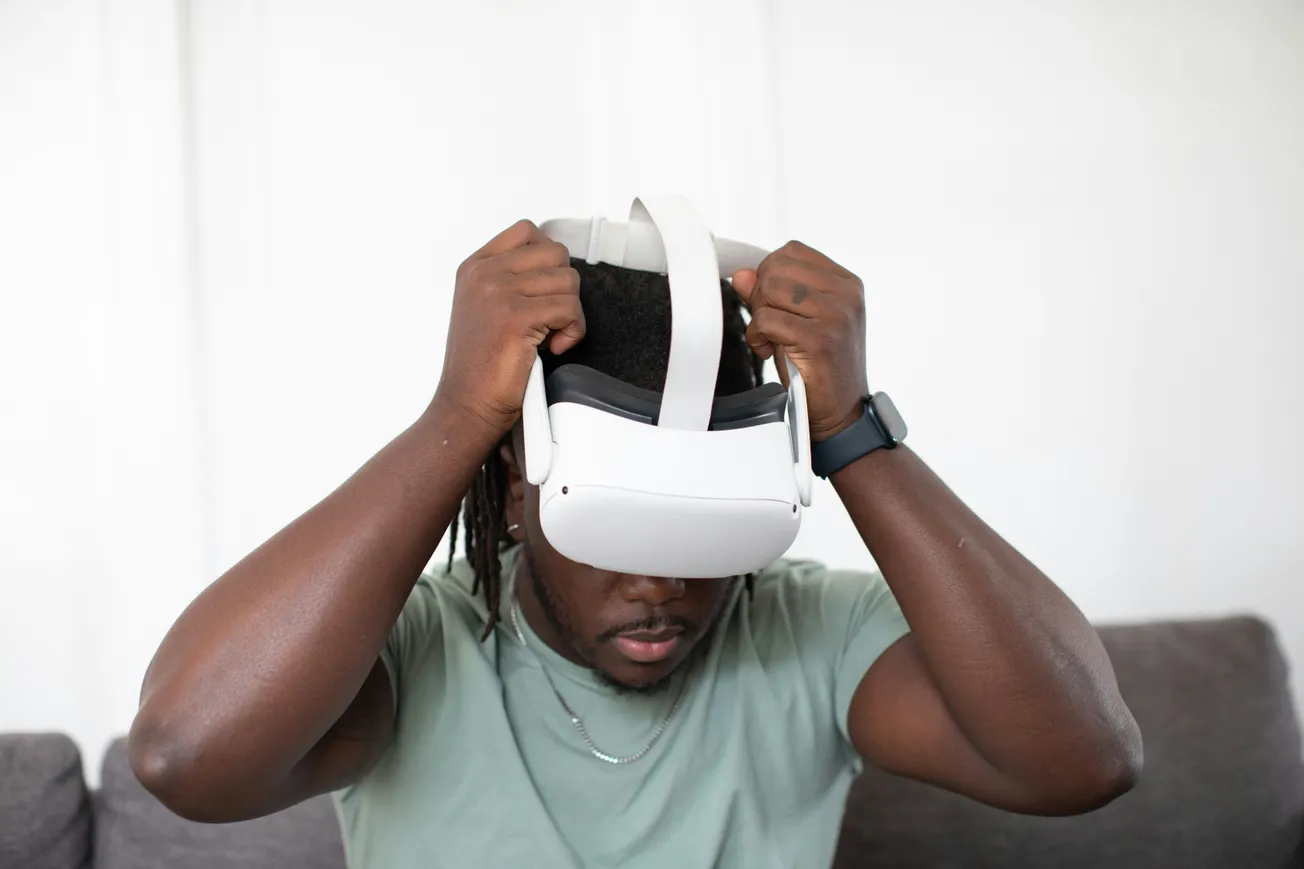
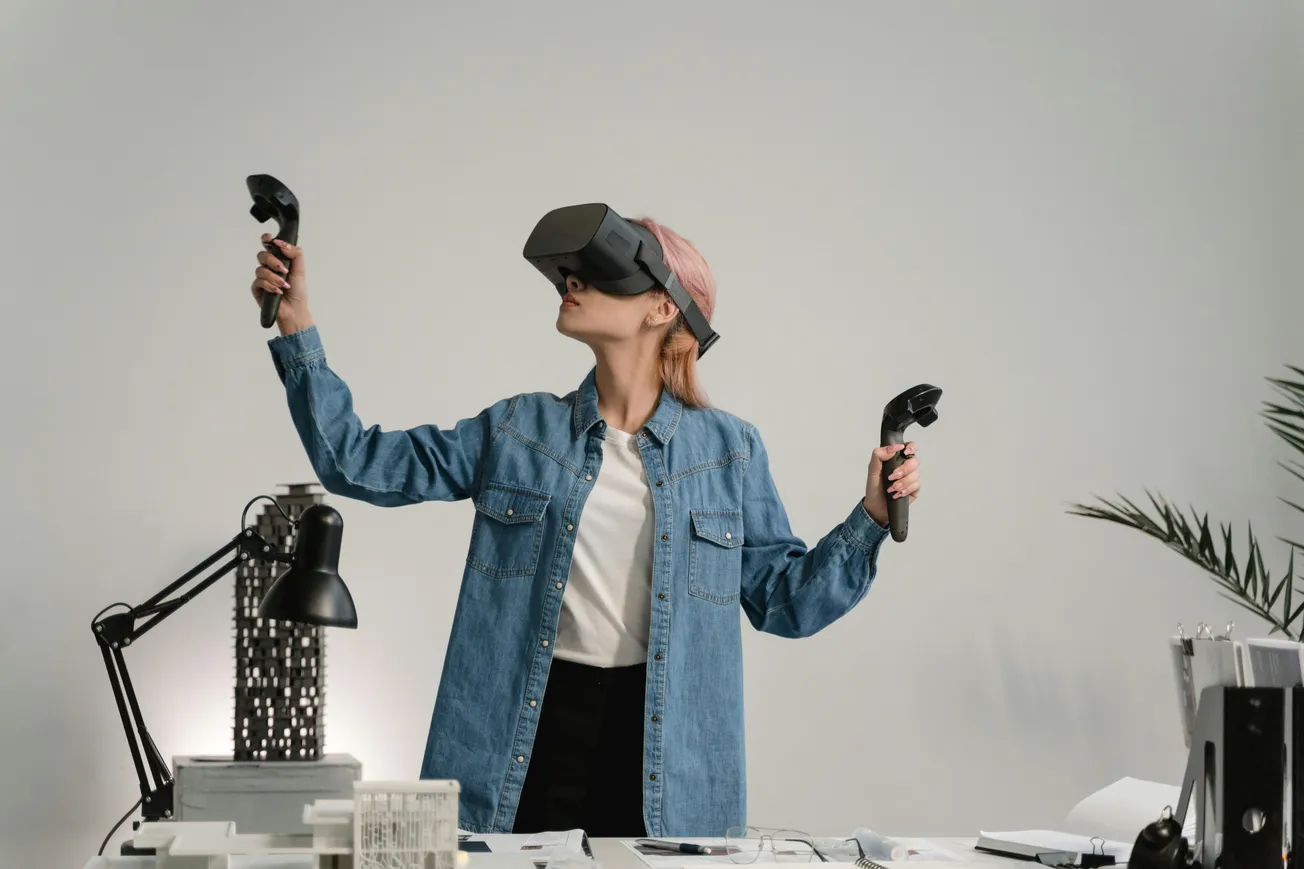
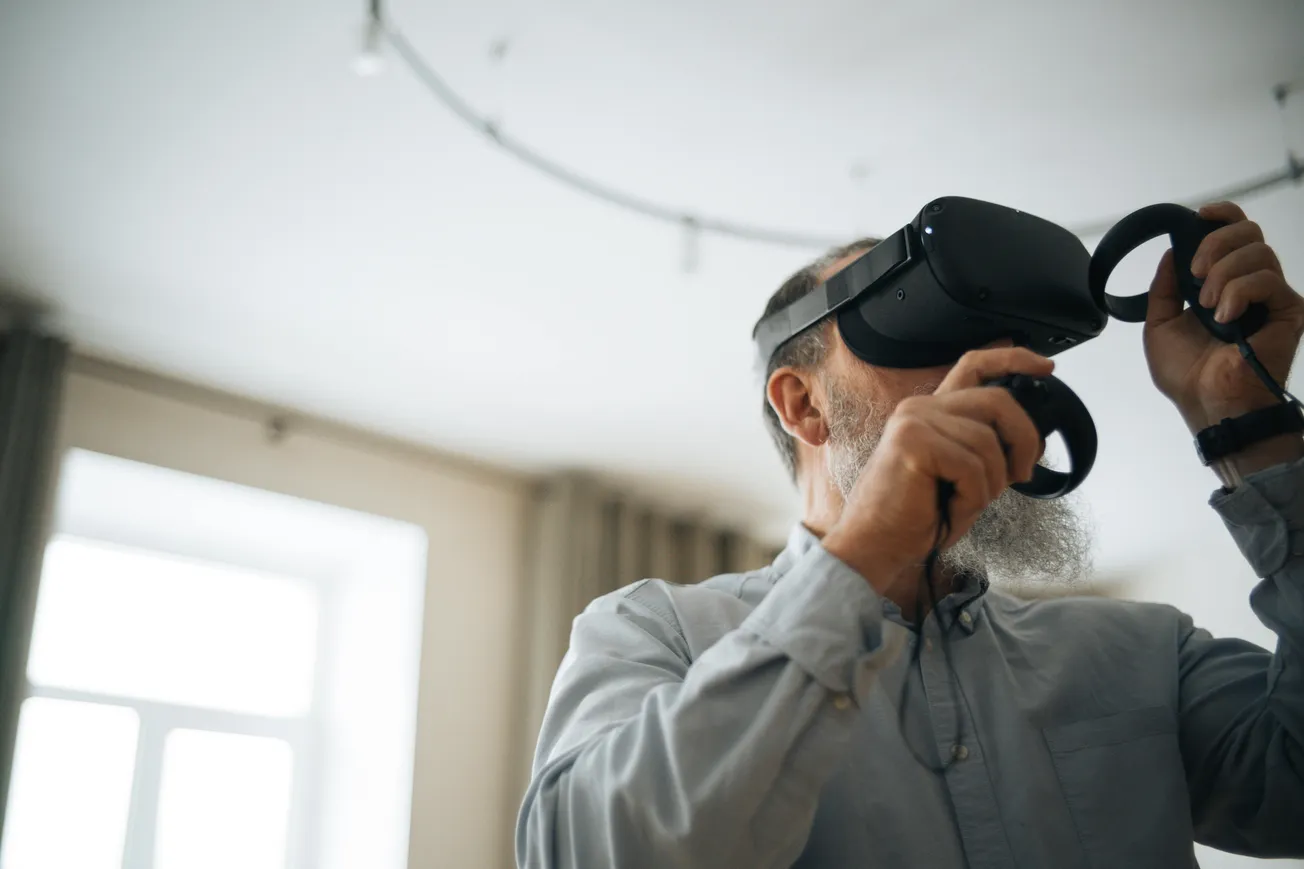
Devices like VR headsets provide immersive escapades for users, allowing them to explore engaging shopping environments. AR technology supports virtual try-ons and allows consumers to visualize products in their own spaces, enhancing the decision-making process.
Blockchain and Cryptocurrency
Blockchain technology ensures secure and transparent transactions within metaverse environments. Users can own, trade, and transact in virtual economies using cryptocurrencies, gradually integrating retail into decentralized financial systems.
Looking Ahead: The Future of Metaverse Retail
The metaverse is expected to expand rapidly, driven by continuous technological improvements and the increasing popularity of virtual marketplaces. Predictions include enhanced AI integration for personalized shopping assistance and the establishment of virtual storefronts as a norm for modern retailers.
Challenges to Consider
Despite its potential, several obstacles must be addressed, including technical limitations, user acceptance, and infrastructure requirements that ensure reliable connectivity and support for immersive experiences.
Ethical and Social Considerations
Privacy concerns are paramount as the metaverse grows. It is essential to safeguard users' data and promote inclusivity in virtual spaces. Retailers must strive to create equitable environments where diversity is celebrated and all users feel welcome.
As we embrace a future where metaverse retail becomes commonplace, staying informed and engaged with its evolution is vital. By focusing on innovation and ethical practices, we can shape an inclusive and user-friendly metaverse retail landscape.
For more insights on the transformative impacts of technology in retail, visit Forbes.