
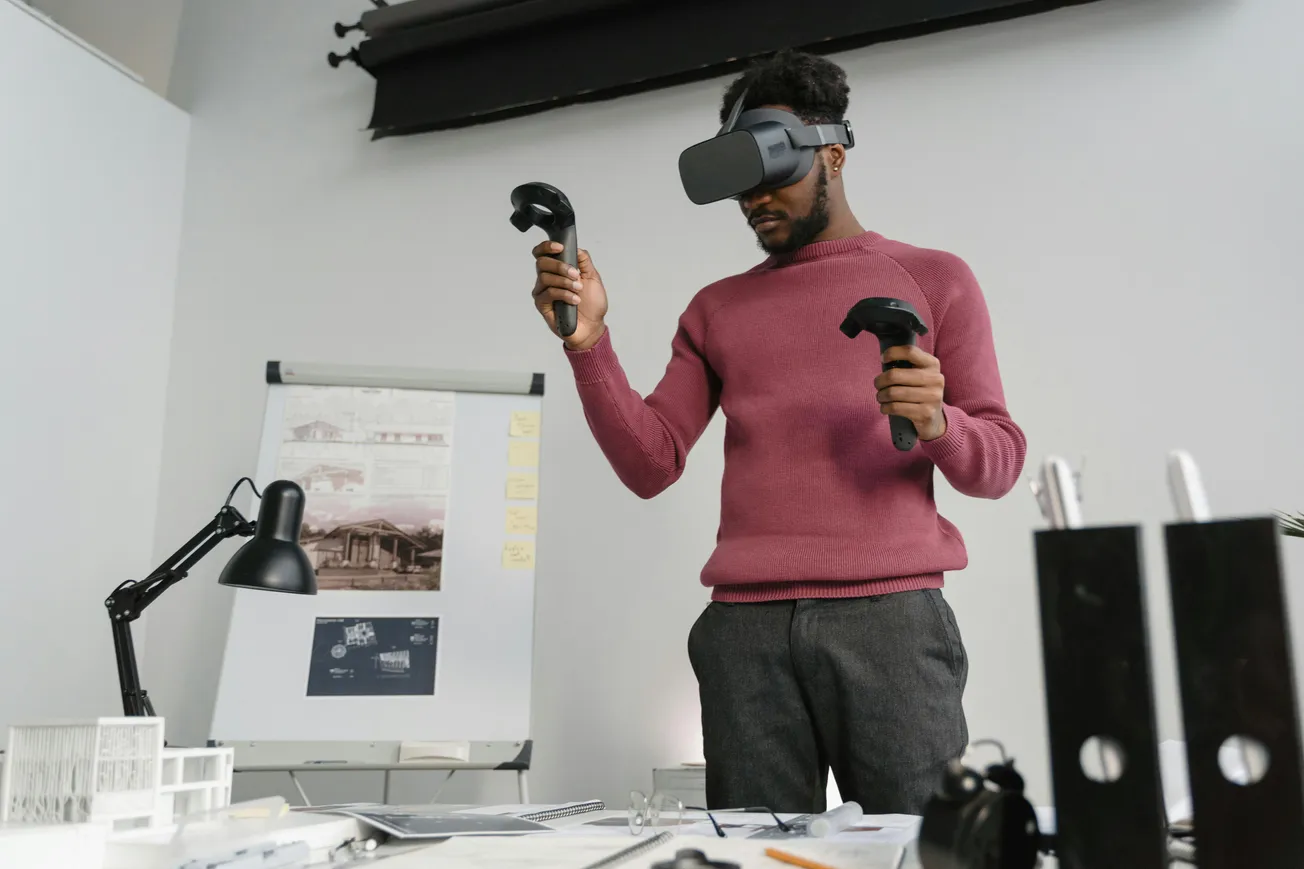
Retailers are entering a new era where the shopper journey may begin in a virtual world long before it touches an app or physical store. This evolution, sometimes called "meta-rooming," builds on the showrooming trend that once defined omnichannel behavior—where consumers browse in-store and buy online.
Now, shoppers can preview products and store experiences within immersive digital platforms like Roblox, Fortnite, and Meta Horizon Worlds.
Major brands are experimenting with this virtual layer to build awareness, test products, and even generate direct sales. For example, shoppers might explore a Walmart-themed virtual environment, interact with avatar associates, and save items to a real-world cart for home delivery or in-store pickup.
This immersive front-end to the retail funnel offers powerful new data signals—from avatar movement patterns to dwell time at virtual displays. Retailers and suppliers can use this behavioral data to inform merchandising, store layout, and digital content strategy in physical and digital spaces alike.
As these virtual layers become more sophisticated and integrated with commerce platforms, the "meta-room" may evolve from a novelty to a necessity—an expectation for digital-native consumers.
For Northwest Arkansas vendors, marketers, and retail tech startups, now is the time to explore lightweight metaverse pilots that align with their brand’s storytelling and product testing needs.