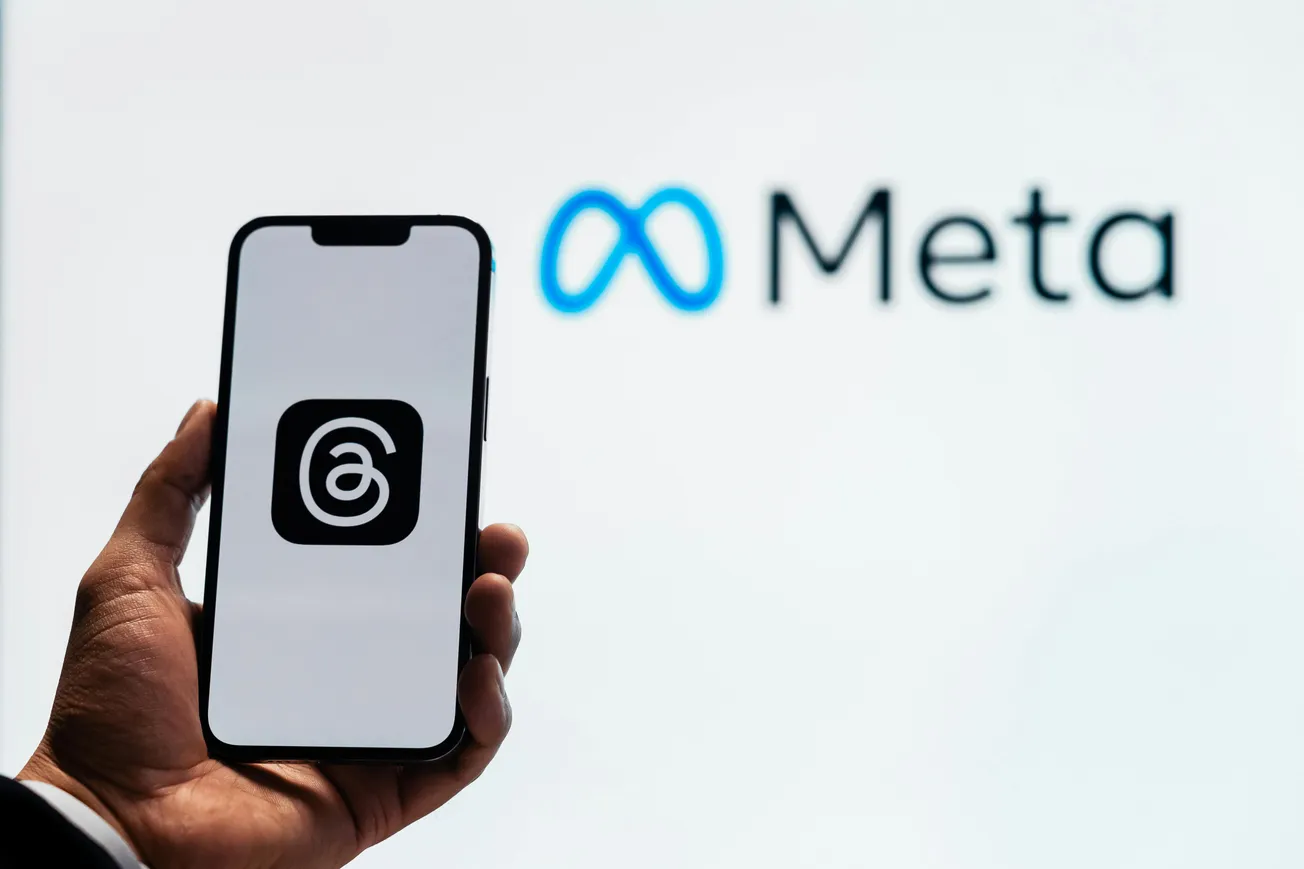
According to LinkedIn News, Meta Platforms has begun notifying employees at its Reality Labs division — the heart of the company’s metaverse ambitions — that layoffs are underway, signaling a major strategic pivot toward artificial intelligence and wearable technologies.
Reality Labs Layoffs Reflect Strategic Realignment
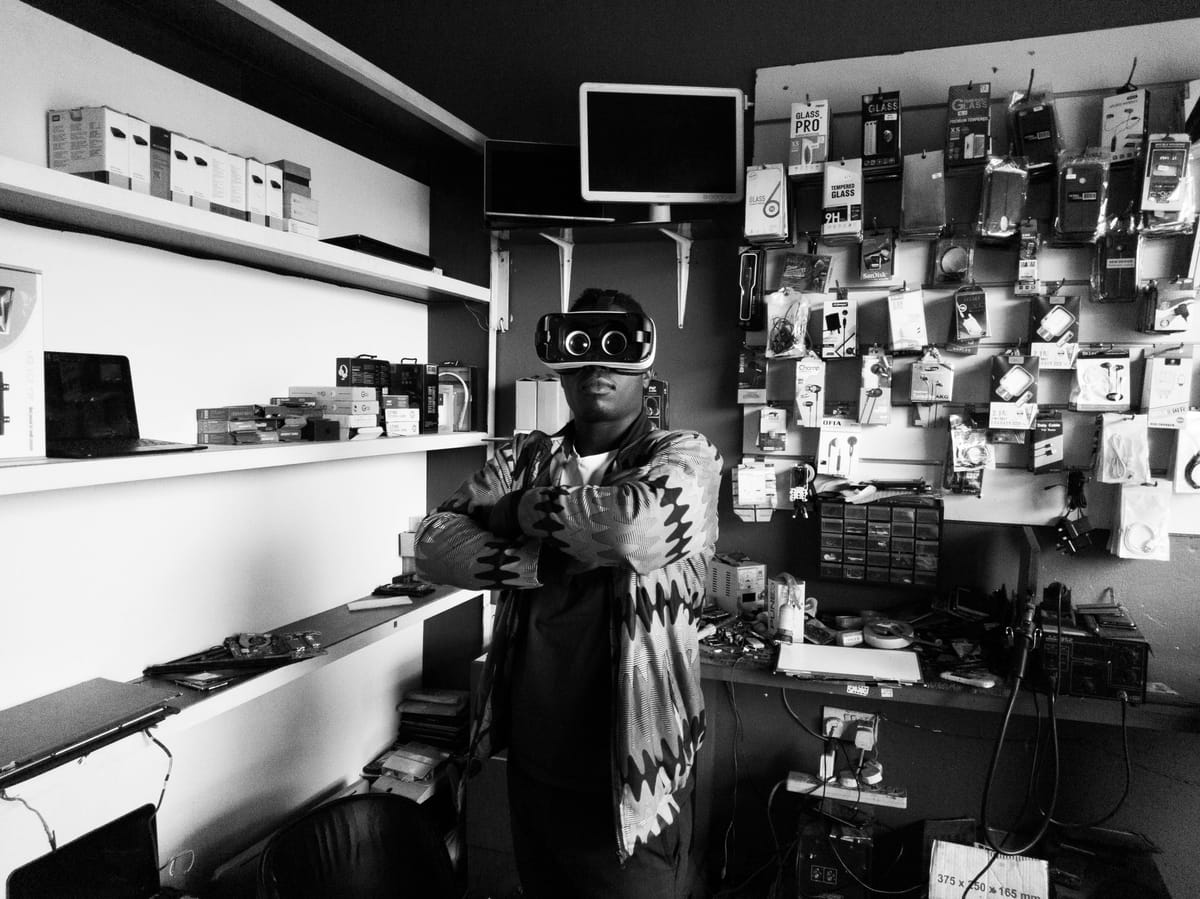
Meta is cutting roughly 10% of its Reality Labs workforce, equivalent to about 1,500 jobs, as part of broader restructuring efforts across the company. These reductions mainly impact teams focused on virtual reality (VR) devices and immersive platforms that have struggled to achieve mainstream traction.
Reality Labs — responsible for products like Quest VR headsets, Horizon Worlds social spaces, and AR hardware — has been a costly investment for Meta, with cumulative losses exceeding $70 billion since 2020. The changes come as Meta’s leadership recalibrates priorities, aiming to maximize returns on modern tech trends and shifting consumer behavior.
A Shift From the Metaverse to AI and Wearables
The layoffs underscore a notable pivot in Meta’s strategic focus away from the traditional metaverse narrative that CEO Mark Zuckerberg once championed, toward artificial intelligence (AI) and next‑generation wearable devices. Meta is reallocating funds previously earmarked for VR-centric projects to accelerate development in AI‑powered smart glasses and other consumer‑friendly technologies.
Executives have indicated that while the company is not abandoning the metaverse entirely, it will emphasize experiences that integrate more seamlessly into users’ daily lives — such as AR wearables — rather than immersive virtual worlds that require dedicated hardware.
Impact on Products and Personnel
In addition to job cuts, reports indicate that several VR content and game studios tied to Reality Labs are being shuttered, and some development on existing VR projects — including fitness applications — will stop.
Meta CTO Andrew Bosworth has called this moment one of the most pivotal in the division’s recent history, as leaders confront the realities of product adoption, cost structures, and longer‑term monetization challenges.
What This Means for the Tech Landscape
Meta’s shift mirrors a broader industry trend: many technology companies are prioritizing AI research and consumer AR products over unproven long‑term concepts like fully immersive metaverse ecosystems.
This recalibration acknowledges market demand for technologies that deliver practical, immediate value, and positions Meta to compete more directly in burgeoning AI and wearable markets.
More about Meta:
 Staff Report
 Staff Report
 Staff Report