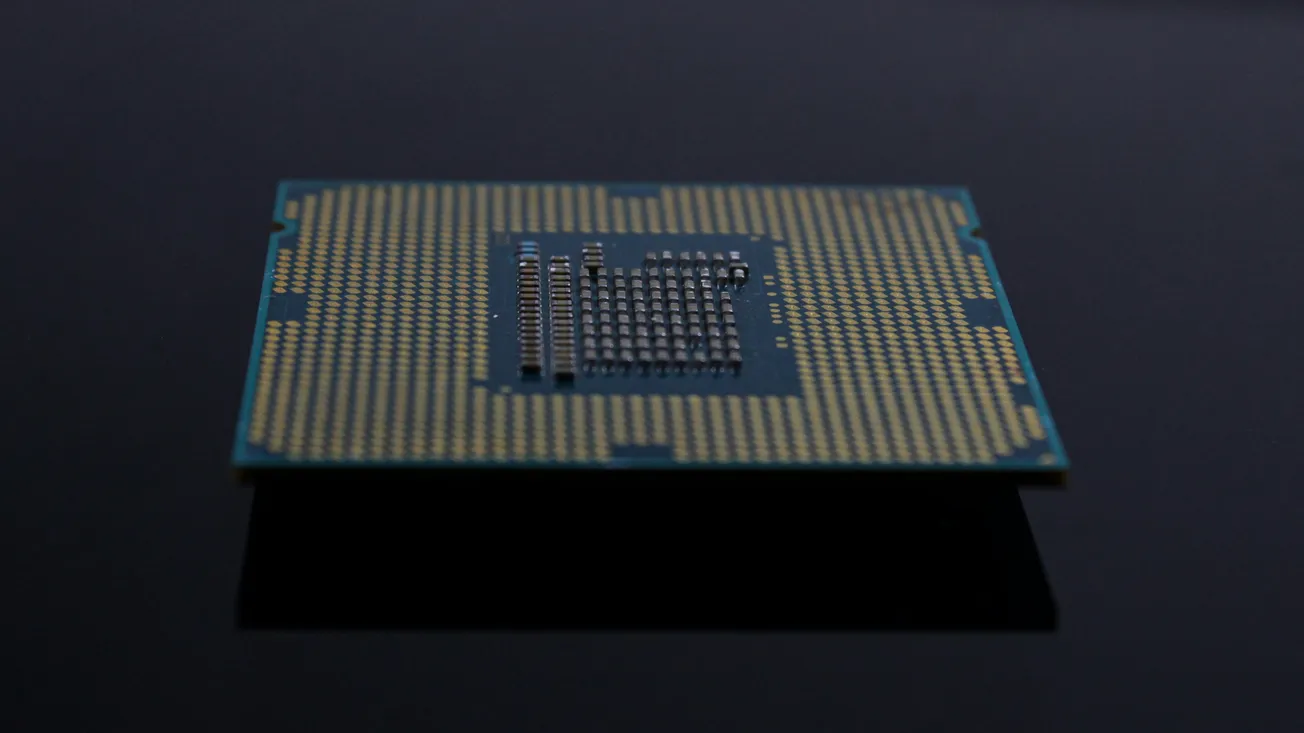
The U.S. manufacturing landscape is gearing up for a significant construction year in 2026, with an array of high‑profile factory projects breaking ground or expanding across key industries including semiconductors, automotive, pharmaceuticals and clean tech.
According to Supply Chain Dive, several flagship investments highlight how industrial development is shaping up even as broader construction spending has softened since its 2024 peak.
Semiconductor and Advanced Manufacturing Drive Growth
One of the most notable developments is Micron Technology’s multibillion‑dollar semiconductor campus, which began construction in early 2026. Spread across Idaho, New York and Virginia, this project plans multiple fabrication plants and R&D facilities, part of a $200 billion investment to strengthen U.S. memory chip production capacity — a move aimed at boosting domestic supply chain resilience.
Samsung Electronics is also pushing forward with its Texas semiconductor plant, expected to be operational within the year. This facility represents one of the largest foreign investments in the state and is anticipated to create thousands of jobs over the next decade.
Another major player, Texas Instruments, has committed approximately $11 billion to construct a new 300‑millimeter fab in Utah, positioning the state as a growing hub for chip manufacturing in response to expanding demand.
Diversification Beyond Chips
Manufacturing expansion in 2026 isn’t limited to semiconductors. Stellantis, the global automotive manufacturer, is funneling roughly $13 billion into U.S. facilities spanning Illinois, Indiana, Michigan and Ohio. These investments include new engine production and vehicle assembly operations, with the Indiana site slated to begin output this year.
Pharma giant Eli Lilly is set to break ground on a new facility in Alabama as part of a broader $27 billion manufacturing expansion, including significant drug ingredient production sites across multiple states.
In the electric vehicle sector, Rivian has advanced construction on a large $5 billion Georgia plant expected to significantly scale EV output by 2028, reinforcing the Southeast’s role in electric mobility manufacturing.
Sector Dynamics and Policy Context
These major projects come amid a backdrop of shifting manufacturing investment trends. While overall construction outlays have declined from their 2024 highs, targeted public incentives — including funding from the CHIPS and Science Act and state tax credits — continue to motivate major factory investments.
Industry observers note that 2026 could become one of the most consequential industrial construction years in decades, as planning phases transition to full‑scale execution on megaprojects that will shape U.S. supply chains for years to come.
More about manufacturing:
 Staff Report
 Staff Report
 Staff Report