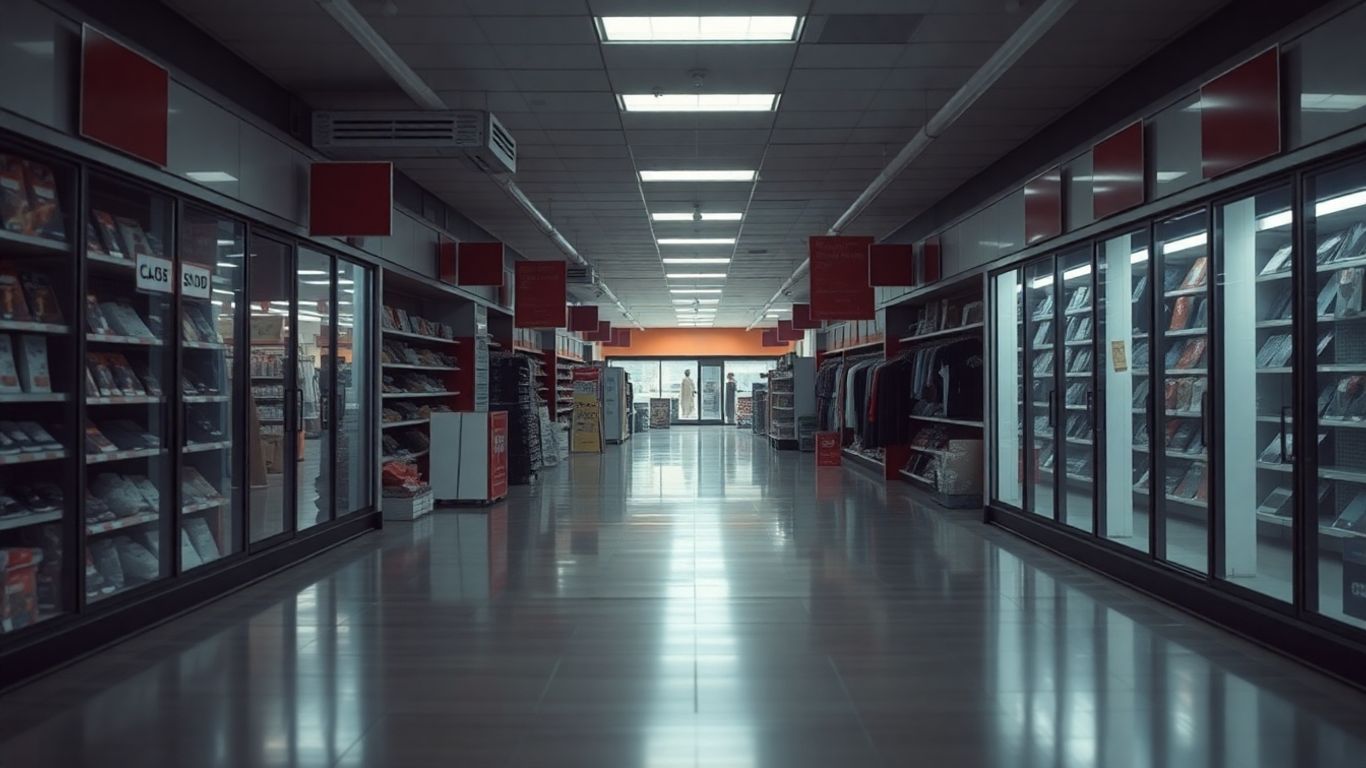
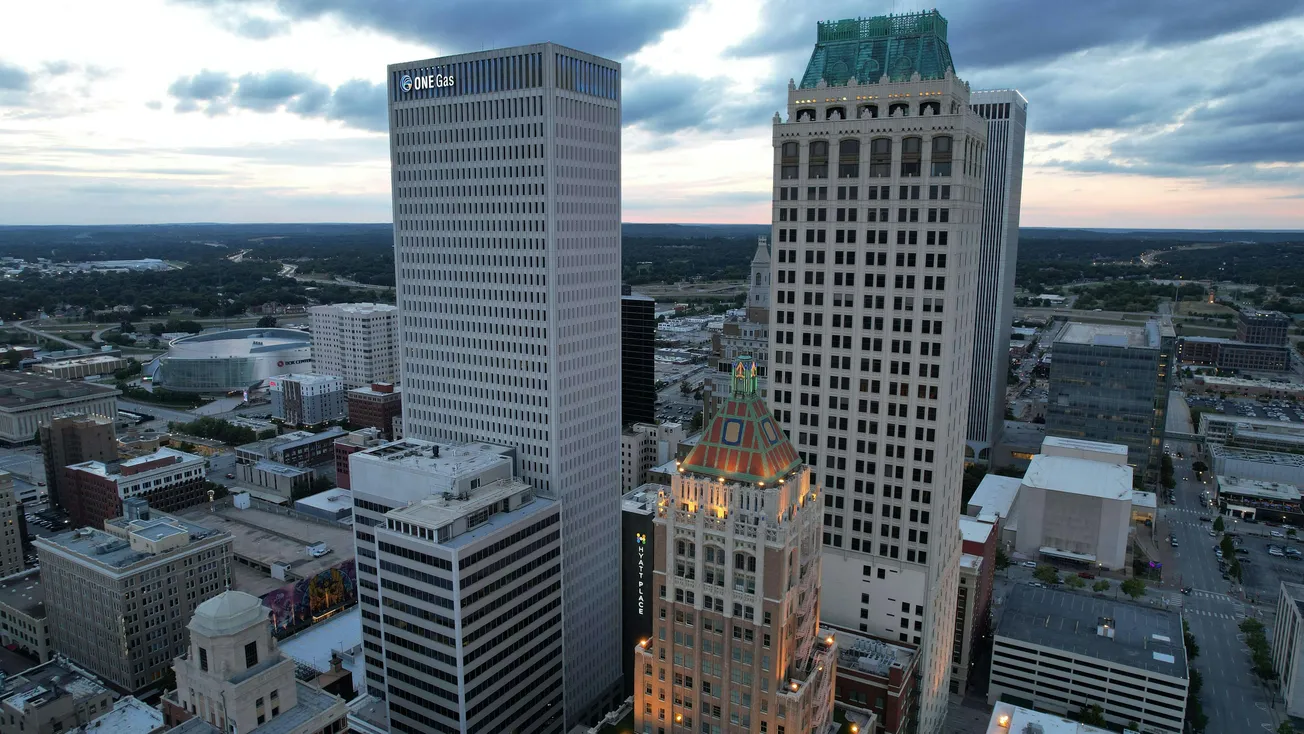
Macy’s has confirmed it will close its fulfillment center in Owasso, Oklahoma — near Tulsa — this spring, as part of its ongoing efforts to modernize and streamline its supply chain operations. The closure aligns with the retailer’s broader “Bold New Chapter” plan to reduce costs and optimize efficiency by 2026.
Strategic Supply Chain Shift
The Oklahoma fulfillment facility, which first opened in 2015 and spans more than 1.3 million square feet, has been a key part of Macy’s direct‑to‑consumer and store replenishment network.
However, the company said that after careful consideration, it made the decision to close the site as part of efforts to better serve customers and simplify operations. Workers at the location have already been notified and are being offered transfer opportunities, severance, and support where applicable.
The closure comes amidst a series of supply chain and footprint adjustments by Macy’s. In late 2025, the retailer also began phasing out a Backstage operations unit at its South Windsor, Connecticut distribution center, part of broader redevelopment efforts.
Impact on Workforce and Local Economy
Reports indicate that the move could affect hundreds of employees at the Tulsa‑area center, with local outlets citing as many as 279 jobs at risk due to the facility’s shutdown.
Community leaders — including the Tulsa Regional Chamber and the Owasso Chamber of Commerce — have expressed concern over the impact on workers and are already coordinating with Macy’s and regional partners to help displaced employees find new opportunities. Discussions are also underway about potential future economic development uses for the site.
Context: “Bold New Chapter” and Retail Footprint Changes
Macy’s supply chain rationalization is part of its multi‑year “Bold New Chapter” plan, which seeks an estimated $235 million in cost savings by 2026 by tightening operational efficiencies and reallocating resources to higher‑growth areas, including digital and luxury brands. The retailer also plans to close additional underperforming physical stores across the U.S. through early 2026 as part of the same strategy.
CEO Tony Spring has said Macy’s is seeing improvements in reliability and speed where it has invested in newer, more automated facilities. One example is a recently opened large fulfillment center in China Grove, North Carolina, expected to handle a significant share of Macy’s digital supply chain capacity — a key component of its modernization efforts.
As Macy’s continues to reshape its logistics network and brick‑and‑mortar presence, the closure of the Owasso fulfillment center marks a notable development in how the century‑old retailer adapts to shifting consumer behaviors and competitive pressures in an increasingly omnichannel retail environment.
More about Macy's:
 Staff Report
 Staff Report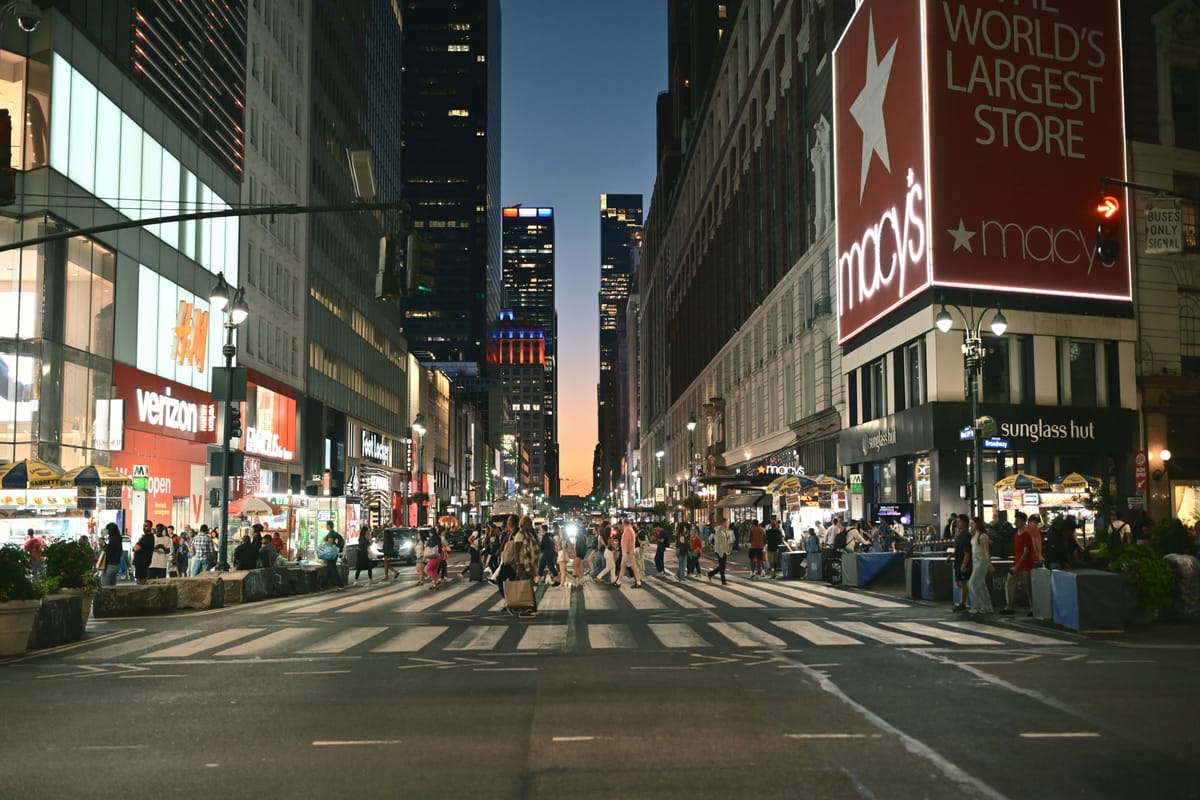
 Staff Report