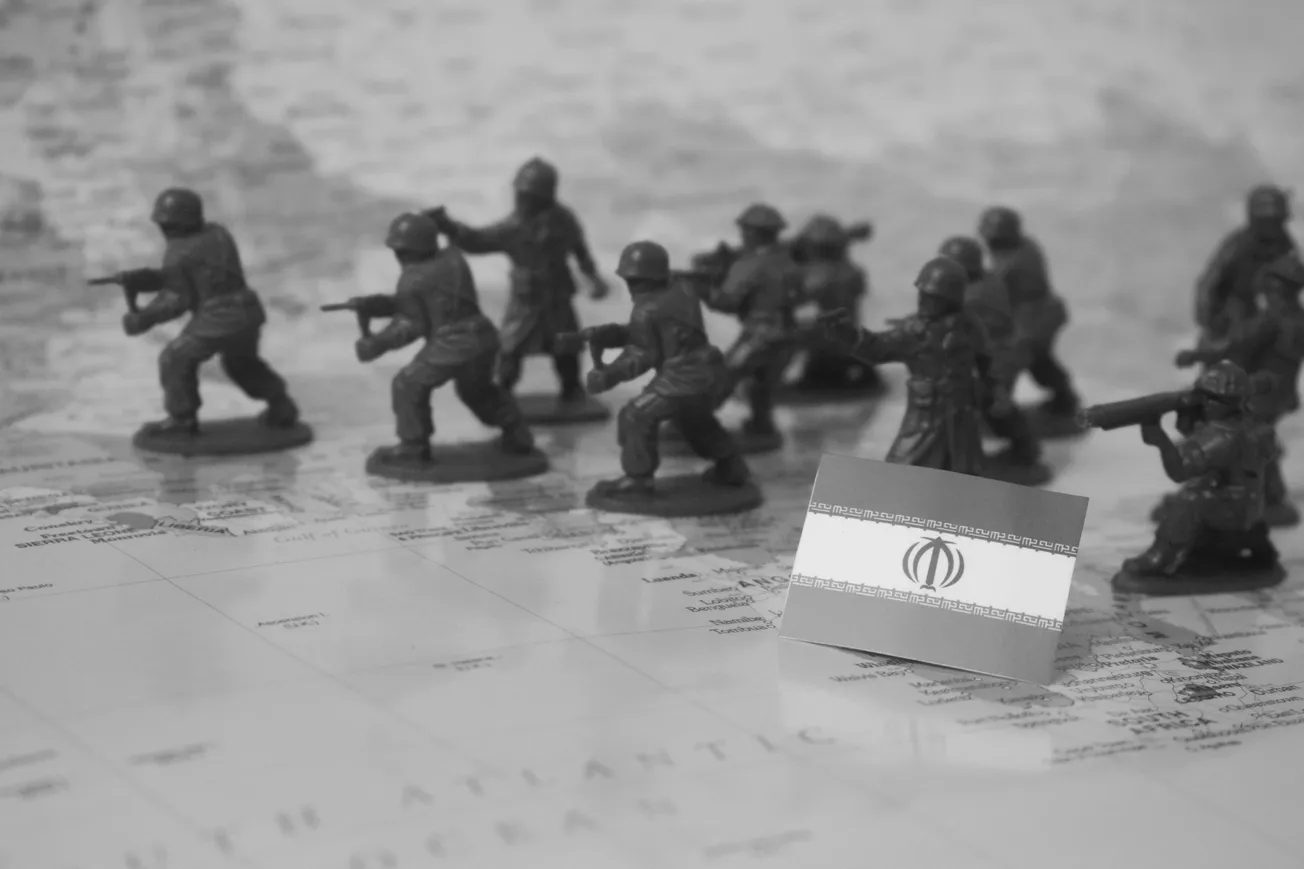
The escalation of military conflict between the United States, Israel, and Iran in March 2026 has sent shockwaves through the global trade network, forcing retailers and thousands of vendor partners to reassess the resilience of the modern omnichannel retail ecosystem.
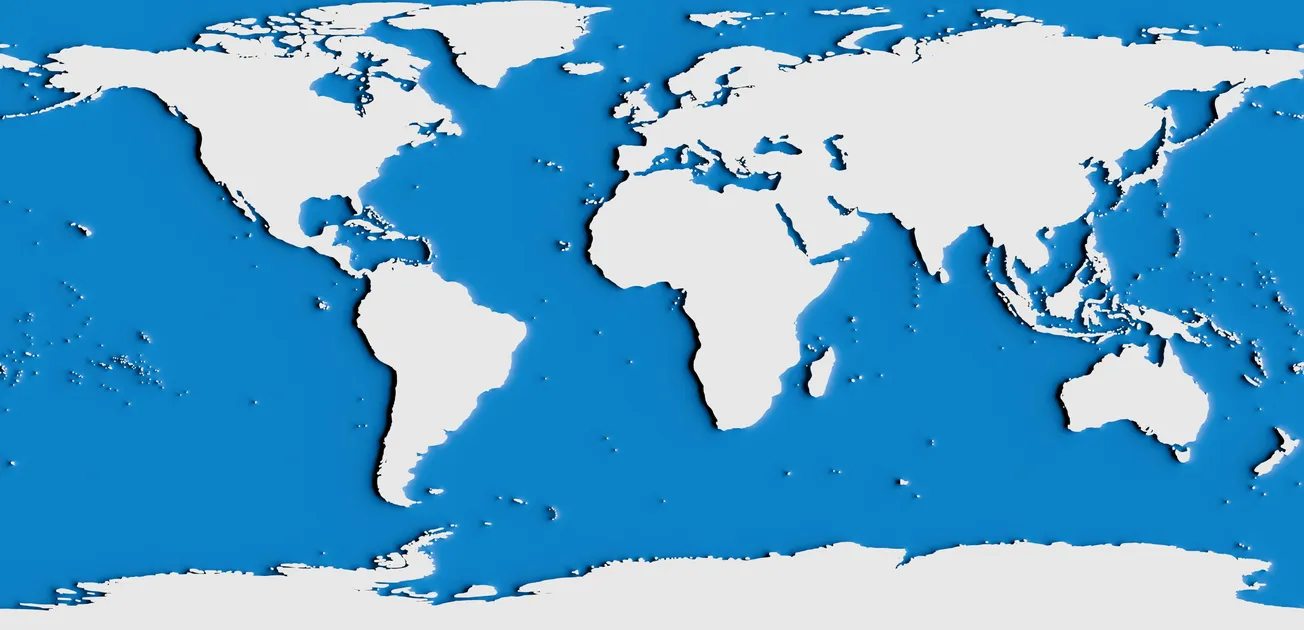
With the effective closure of the Strait of Hormuz—a maritime chokepoint responsible for approximately 20% of the world’s seaborne oil and significant industrial commodities—the logistics industry is grappling with a sudden "war premium" that threatens to derail early-year recovery trends.
Immediate Disruptions to Global Trade Lanes
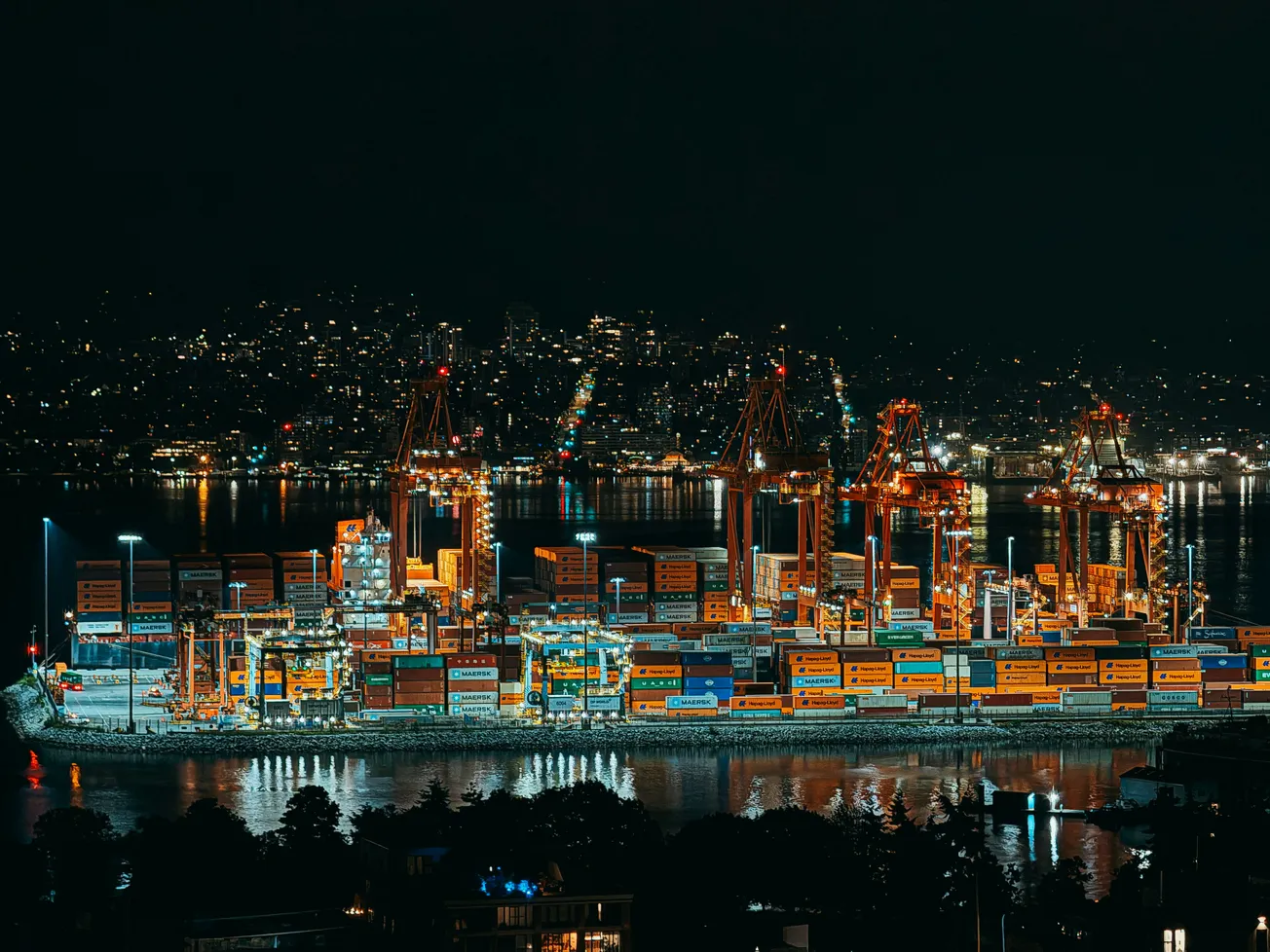
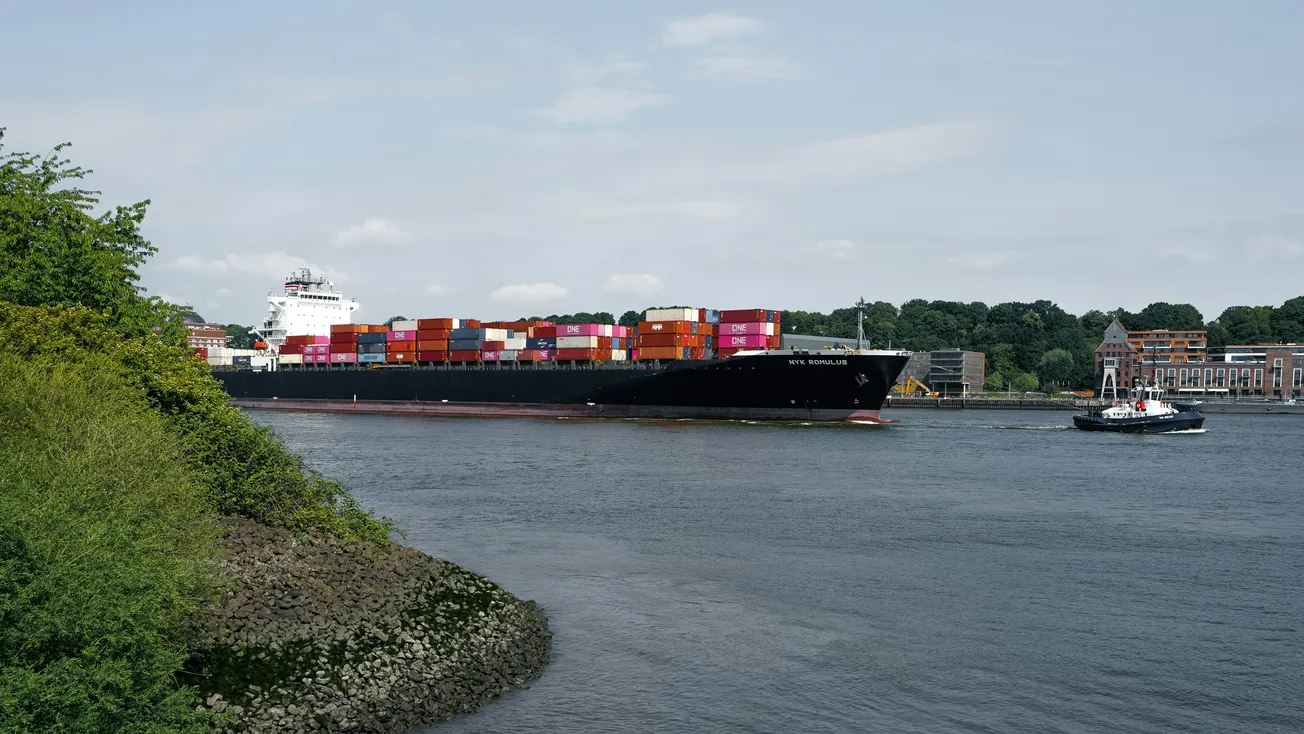
The geopolitical volatility has led to a near-total halt of container ship traffic through the Strait of Hormuz. Major shipping lines, including Maersk and COSCO, have suspended transits through the region, rerouting vessels around the Cape of Good Hope.
This detour adds approximately 3,500 nautical miles and up to 20 days to transit times, significantly increasing fuel consumption and operational costs. According to market reports, these diversions can cost upwards of $1 million in additional fuel per voyage, expenses that are increasingly likely to be passed down the supply chain to the end consumer.
The impact is not limited to ocean freight. Air cargo capacity has dropped by an estimated 18% as airlines suspend flights to and from major Gulf hubs to avoid active conflict zones. For high-value, time-sensitive goods such as consumer electronics and pharmaceuticals—which often rely on air transport—these disruptions have caused freight rates to spike by as much as 400% in a 48-hour window.
This secondary shock to the airfreight sector complicates inventory management for retailers who utilize "just-in-time" delivery models to meet omnichannel demand.
Energy Volatility and the Inflationary Ripple
Energy markets have reacted sharply to the crisis, with Brent crude oil prices surging back toward the $100-per-barrel mark as of March 12, 2026. This spike in energy costs acts as a direct tax on the logistics industry. Freight carriers are already implementing emergency fuel surcharges to protect margins, a move that directly affects the cost-to-serve for omnichannel retailers.
In Bentonville, where the intersection of retail and logistics is a primary economic driver, the correlation between oil prices and consumer packaged goods (CPG) is being monitored with journalistic rigor. Petrochemical derivatives are essential components in a vast array of products, from detergents and soaps to packaging materials.
Analysts suggest that if oil remains elevated, the resulting inflationary pressure will eventually manifest at the shelf, testing consumer sentiment during a period of already shaky economic confidence.
Strategic Resilience in the Bentonville Ecosystem
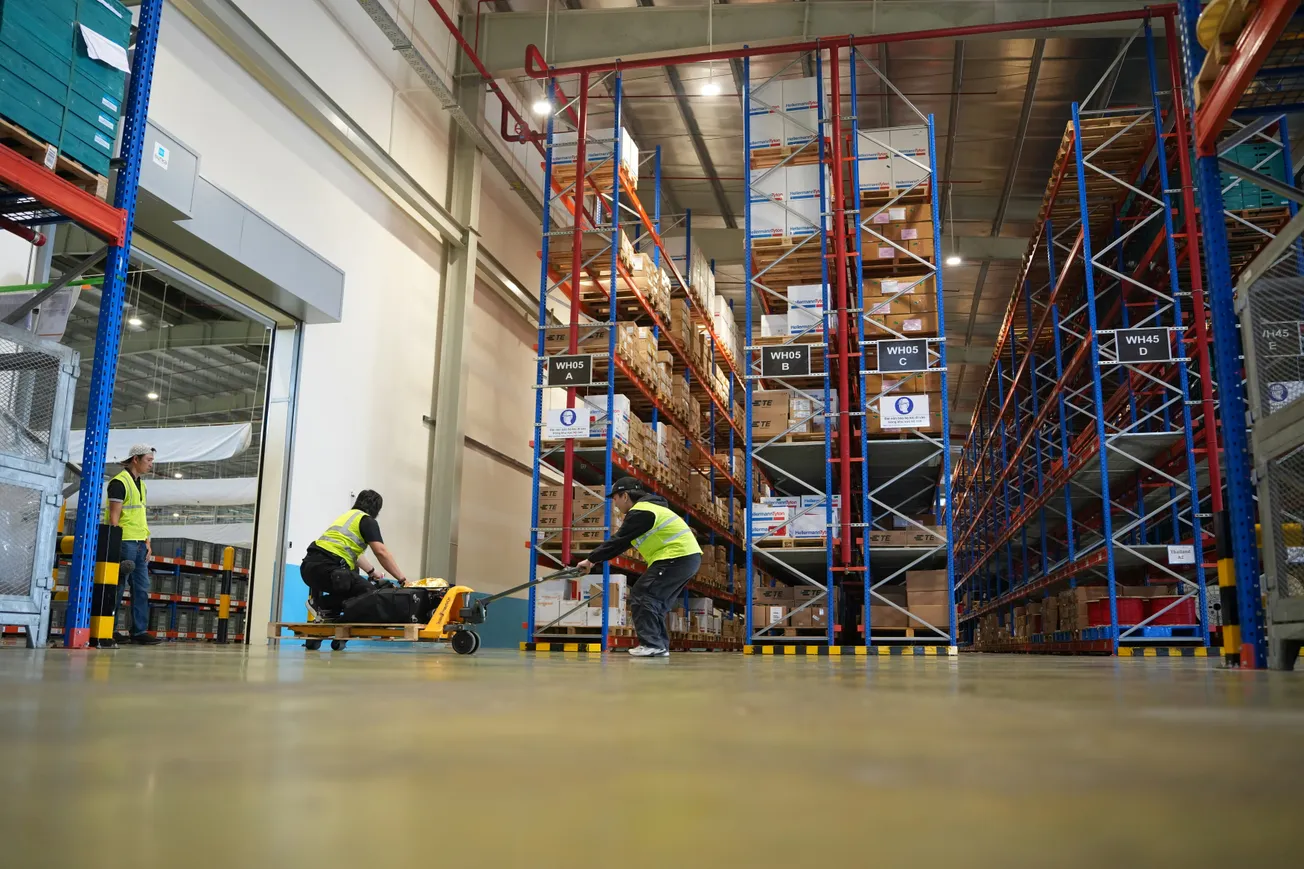
To mitigate these macroeconomic risks, industry leaders are turning to technology and regenerative supply chain strategies. Advanced analytics and AI-driven forecasting are being deployed to diversify sourcing locations and optimize logistics routes in real-time. The goal is to move away from a singular reliance on volatile regions and toward a more flexible, decentralized network that can withstand geopolitical shocks.
The "symphony of experts" within the Bentonville community—including shopper marketing specialists and logistics coordinators—is focusing on demystifying the complexities of these disruptions for their vendor partners. By sharing insights on terminal congestion at alternative ports and navigating the "conflict surcharges" imposed by insurers, the local business community aims to maintain the flow of goods despite the turmoil thousands of miles away.
The duration of the conflict remains the critical variable. While the United States has moved to release millions of barrels from strategic reserves to stabilize prices, the long-term stability of the global supply chain hinges on the reopening of the Strait of Hormuz and the stabilization of Middle East security. For now, the omnichannel retail sector must navigate a landscape defined by heightened risk and the constant need for operational agility.
More about supply chain:
 Staff Report
 Staff Report
 Staff Report