Kroger has named Greg Foran as its new chief executive officer, concluding a high-profile leadership search following the removal of former CEO Rodney McMullen. The announcement signals a strategic reset for the nation’s largest traditional grocery chain as it navigates margin pressure, intensifying competition, and continued transformation across food retail and omnichannel operations..
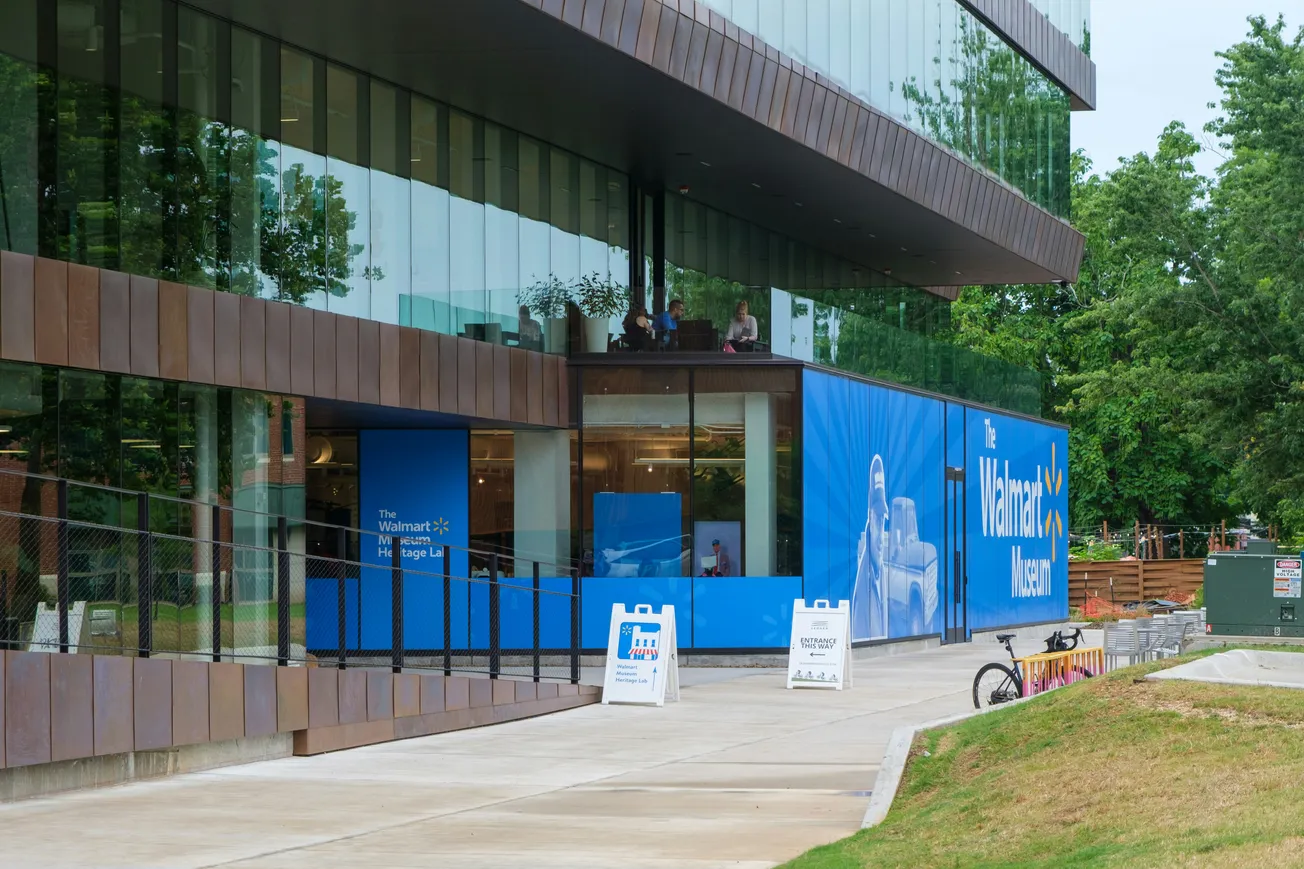
Foran brings deep retail and operational experience to Kroger, most notably from his tenure as president and CEO of Walmart U.S., where he oversaw the company’s largest business unit during a critical period of e-commerce expansion, store modernization, and supply chain investment. More recently, he served as CEO of Air New Zealand, where he led the airline through pandemic recovery efforts and operational restructuring.
The leadership change comes at a pivotal moment for Kroger, which has faced internal and external pressures amid shifting consumer behavior, inflation-driven cost sensitivity, labor challenges, and ongoing regulatory scrutiny tied to its proposed merger with Albertsons. McMullen’s exit earlier this year created uncertainty around the company’s strategic direction, elevating the importance of selecting a CEO with experience managing complex, large-scale operations.
Foran’s background at Walmart is particularly notable given Kroger’s ongoing efforts to strengthen its competitive position against mass merchants, club retailers, and digitally native grocery platforms. During his time at Walmart U.S., Foran was credited with improving store execution, sharpening price perception, and accelerating omnichannel capabilities, including pickup and delivery infrastructure that reshaped how consumers interact with grocery retail.
Industry observers see Foran’s appointment as a signal that Kroger is prioritizing disciplined execution and operational rigor across merchandising, supply chain, and store operations. His experience managing large frontline workforces and navigating margin-sensitive retail environments may prove critical as Kroger continues to balance investments in technology and automation with price competitiveness.
Supply chain resilience is expected to be a major focus under Foran’s leadership. Kroger has invested heavily in automated fulfillment centers, data-driven inventory management, and private-label expansion, all areas where Walmart’s playbook has historically set industry benchmarks. Foran’s familiarity with those systems could help Kroger refine its approach and accelerate returns on capital-intensive initiatives.
The appointment also carries implications for Kroger’s vendor ecosystem. With Foran’s deep understanding of large-scale supplier negotiations and merchandising strategy, brands and suppliers may see increased emphasis on efficiency, data transparency, and performance-based partnerships. This aligns with broader trends in grocery retail, where retailers are leveraging scale and analytics to drive margin improvement amid persistent cost pressures.
While Foran’s recent experience in aviation may appear unconventional for a grocery retailer, analysts note that leading a global airline through volatility, labor constraints, and operational complexity shares similarities with managing a national grocery chain. Both industries require precision execution, customer trust, and resilient supply networks.
As Greg Foran steps into the CEO role, Kroger faces a challenging but opportunity-rich landscape. How effectively he applies lessons from Walmart and Air New Zealand to grocery retail will shape Kroger’s next chapter, particularly as the company works to defend market share, modernize operations, and position itself for long-term growth in an increasingly competitive omnichannel environment.
More about Kroger:
 Staff Report
 Staff Report
 Dan Craft