As the retail sector grapples with shifting consumer loyalties and economic headwinds, Kohl’s has signaled a definitive shift toward a "multiyear approach" for its business transformation. Following a series of leadership transitions and a rigorous reevaluation of its core operations, the Menomonee Falls-based retailer is prioritizing a "back-to-basics" philosophy intended to strengthen its foundation and clarify its position in an increasingly bifurcated market.
Central to this strategy is the realization that a quick fix is insufficient for the current retail climate. The company’s updated direction, shared in early 2026, emphasizes three key differentiators: curated assortments for the whole family, inspiring meaningful shopping moments, and providing undeniable value. This strategic roadmap aims to bridge the gap between "prestige value" and essential goods, a move that is being closely watched by industry stakeholders from Bentonville to Wall Street.
Strengthening the Omnichannel Infrastructure
A critical component of the Kohl’s turnaround is the continued success and expansion of its partnership with Sephora. By the end of 2025, the collaboration surpassed $2 billion in annual sales, proving that prestige beauty can serve as a significant traffic driver for off-mall locations. In 2026, the retailer is intensifying this synergy by introducing new high-end brands into the Sephora at Kohl’s ecosystem and expanding the concept to its entire 1,100-plus store fleet.
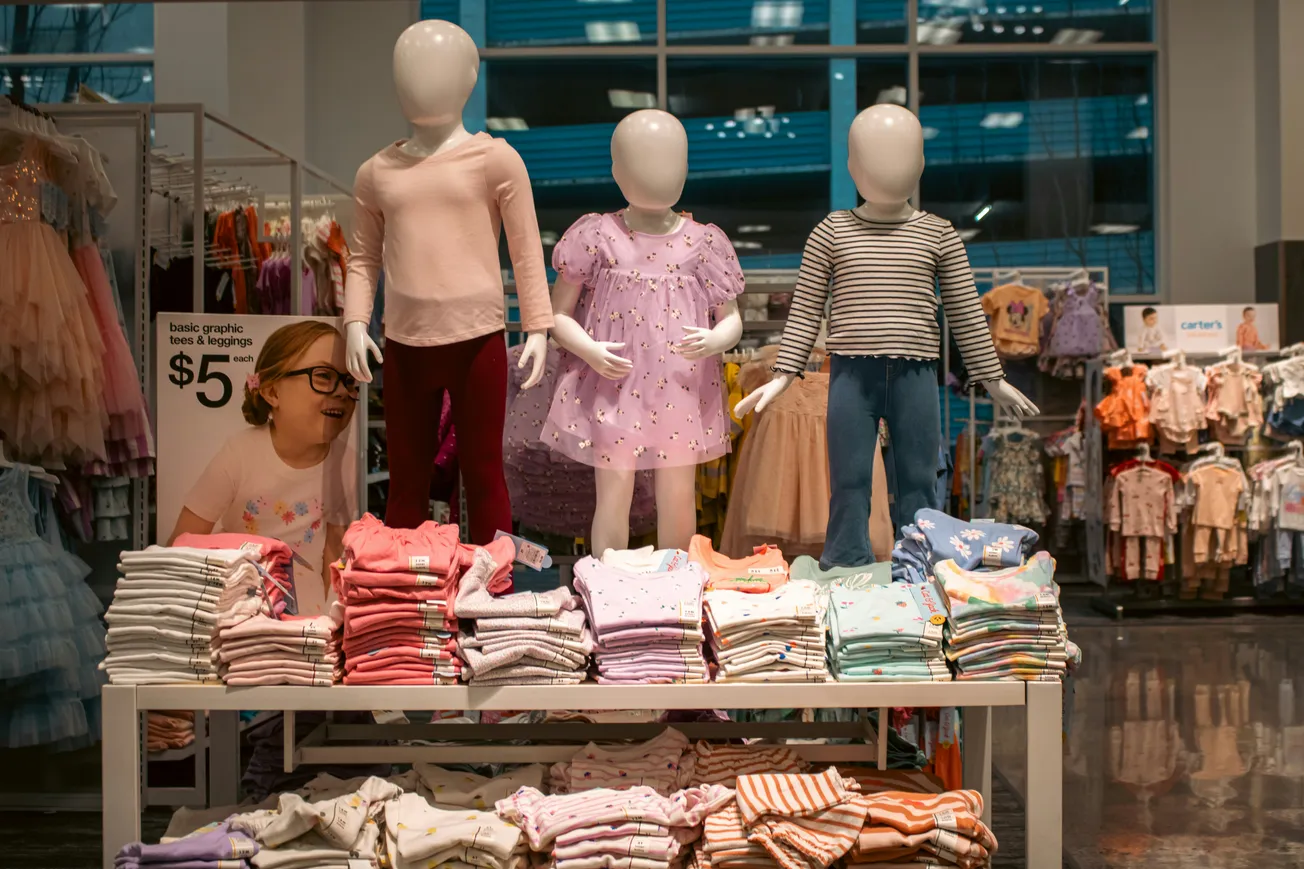
Beyond beauty, Kohl’s is leveraging its "Off-Mall Advantage" to capture shoppers seeking convenience. The rollout of Babies “R” Us shop-in-shops in hundreds of locations has further diversified the retailer's reach, targeting younger families and first-time parents. These partnerships are designed to transform Kohl’s into a multi-category destination, demystifying the omnichannel experience by providing a high-touch, physical environment that complements a robust digital presence.
Operational Excellence and Supply Chain Resilience
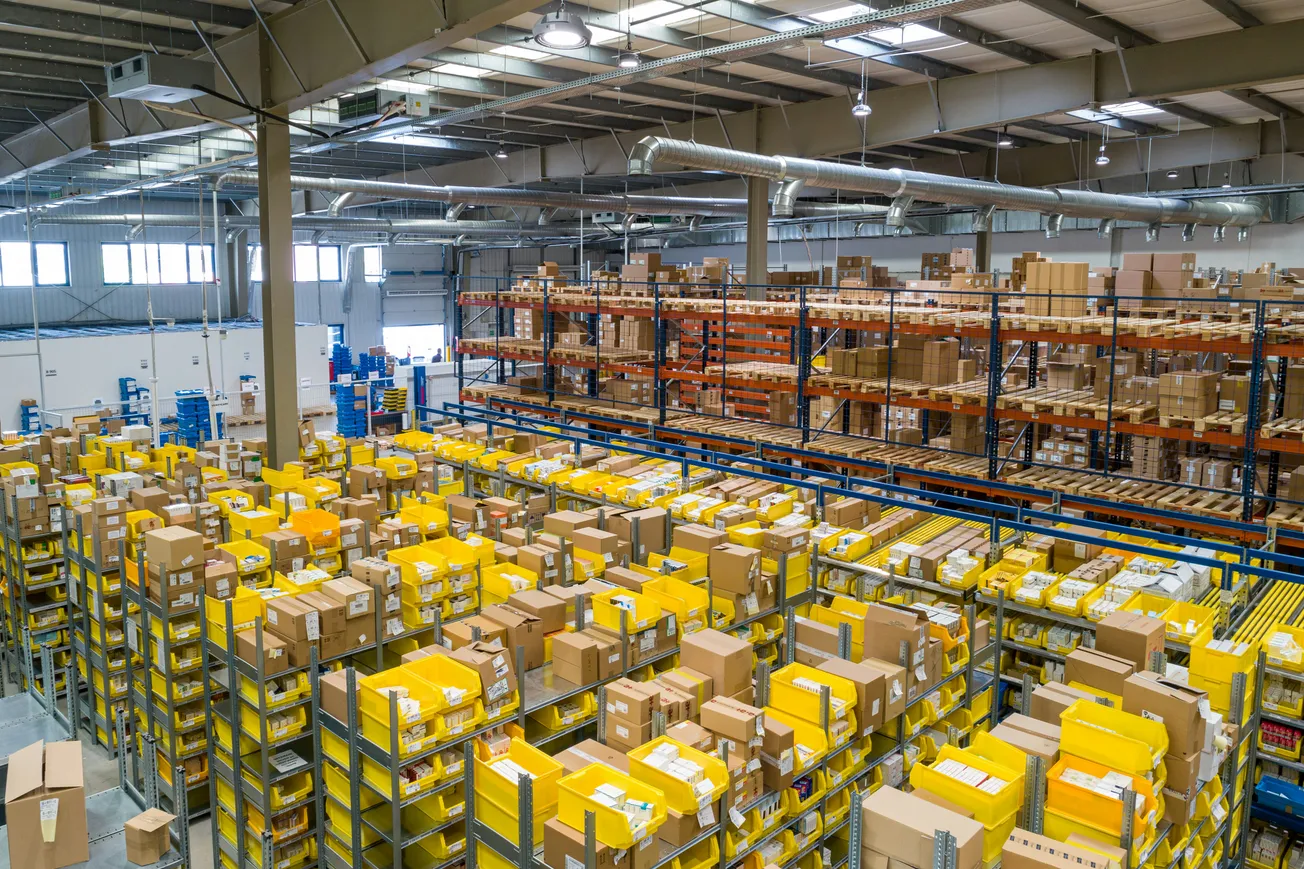
Under the leadership of CEO Michael Bender, the company has pivoted toward high-velocity inventory management. The goal is to move products through the system faster to avoid the aggressive markdowns that impacted margins in previous years. This requires a sophisticated supply chain transformation, integrating predictive analytics to better align stock levels with localized demand.
Furthermore, Kohl’s is adjusting its sourcing strategy to mitigate global economic volatility. By diversifying its factory network and shifting production to lower-tariff regions, the company is working to protect its "value" proposition. This proactive approach to logistics and procurement is essential for maintaining price stability in a post-inflationary economy where consumers are increasingly sensitive to cost increases in high-elasticity categories like apparel and small electronics.
Merchandising Strategy and the "Deal Bar" Concept
To address the "fractured" behavior of modern shoppers, Kohl’s is simplifying its value message. The company recently introduced a "Deal Bar" at the front of all stores, featuring seasonal essentials and impulse items priced under $10. This move toward transparent, accessible pricing is a strategic response to the rise of extreme-value competitors. By offering a curated, high-value entry point, Kohl’s aims to convert impulse traffic into long-term loyalty across its broader apparel and home goods categories.
The company is also leaning back into its proprietary private labels, such as Sonoma Goods for Life and the revamped "Flex" athleisure line. These brands offer higher margins and exclusive value, allowing the retailer to differentiate itself from national-brand competitors while meeting the demand for quality, affordable fashion.
The Road Ahead for the Off-Mall Giant
While the multiyear plan provides a clear framework, analysts note that the execution phase will be the ultimate test. Success will depend on the company's ability to translate increased foot traffic from Sephora and Babies “R” Us into sales across its core apparel business. For the broader retail community, the Kohl’s journey serves as a significant case study in how a legacy department store can adapt its corporate strategy to remain relevant in a digital-first world.
As Kohl’s continues to iterate on its store formats and digital capabilities, the focus remains on creating a seamless interconnection between all touchpoints. By prioritizing operational excellence and a customer-first philosophy, the retailer is attempting to secure its place as a leader in the next era of omnichannel retail.
More about leadership:
 Staff Report
 Staff Report
 Staff Report