
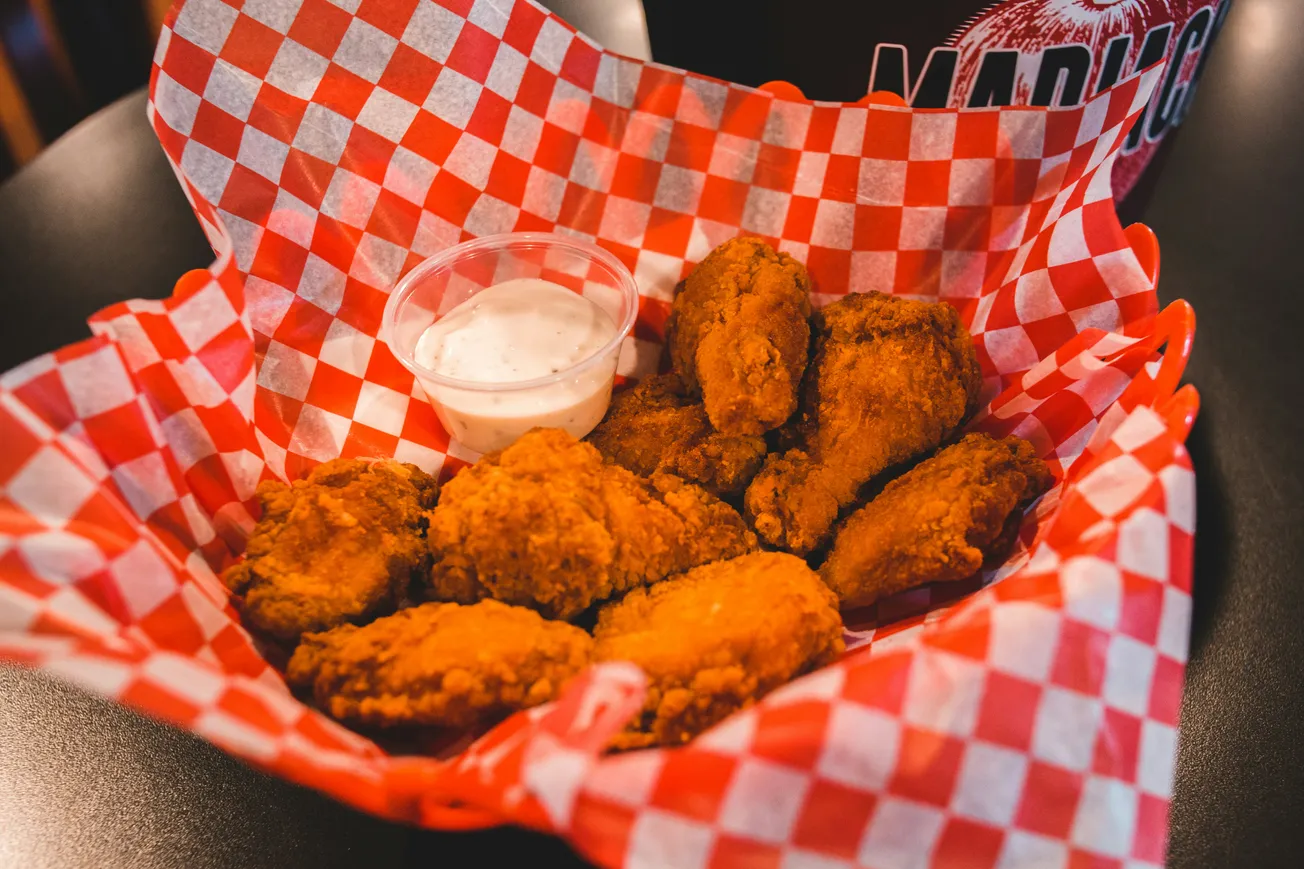
A U.S. district judge has dismissed a lawsuit against Buffalo Wild Wings over its continued use of the term “boneless wings,” allowing the casual dining and sports bar chain to keep the name on its menu. The judge ruled that the plaintiff did not provide enough factual allegations to show that reasonable consumers would be misled by the term.
The lawsuit was filed by a Chicago man, Aimen Halim, who claimed the boneless wings — which are made from chicken breast meat rather than actual deboned wing meat — constituted false advertising and deceptive conduct. Halim alleged that if consumers knew the product wasn’t actual wing meat, they might pay less or choose not to purchase it.
Reasonable Consumers Not Misled, Judge Says
In a 10-page opinion, U.S. District Judge John Tharp Jr. concluded that a reasonable consumer would not be confused by the term “boneless wings.” The judge noted the phrase has been commonly used across the restaurant industry for more than two decades and that consumers understand it refers to bite-sized chicken pieces prepared in wing style rather than actual wing meat.
Judge Tharp also rejected the core claim of false advertising under the Illinois Consumer Fraud Act, asserting the lawsuit lacked sufficient evidence that Buffalo Wild Wings engaged in deceptive marketing. He wrote that the plaintiff did not “drum up enough factual allegations to state a claim,” even though Halim plausibly alleged economic injury.
Context of the Complaint
Halim’s complaint stemmed from a visit to a Buffalo Wild Wings location in January 2023, after which he asserted he purchased boneless wings under what he believed was a misrepresentation of the product’s composition. He sought punitive damages and argued that other restaurants label similar items differently — such as “chicken poppers” or “boneless chicken” — which he suggested was more transparent.
Buffalo Wild Wings has offered its own public commentary on the issue in the past, noting that its boneless wings consist of “all white meat chicken” and humorously pointing out that other menu items — such as hamburgers — also do not contain what their names might literally imply.
Industry Usage and Legal Interpretation
The judge’s decision leans on broader industry context and consumer understanding. Courts have previously acknowledged that menu terminology like “boneless wings” has a conventional meaning understood by customers, similar to terms like “chicken fingers,” which obviously do not contain literal fingers.
Judge Tharp drew on these understandings in his ruling, emphasizing that words can have multiple meanings and that the average diner would not think the product is some “Franken-wing” created from deboned wing meat.
Plaintiff May Amend Complaint
While the lawsuit was dismissed, the judge has allowed Halim to file an amended complaint by March 20, 2026. However, Tharp noted in his opinion that it may be difficult for the plaintiff to present additional facts that would substantiate a claim of deceptive advertising under existing legal standards.
Broader Implications for Menu Labeling
The ruling highlights ongoing legal and consumer debates surrounding food labeling and marketing language. As restaurant menus continue to include items like boneless wings, cauliflower wings, and other creatively named products, courts may face similar questions about what constitutes misleading terminology and at what point consumer familiarity shapes reasonable expectations.
For now, Buffalo Wild Wings will continue to market and sell “boneless wings” under that name, with the judge’s ruling affirming that such terminology remains legally permissible and widely understood.
More about legal actions:
 Dan Craft
 Staff Report
 Dan Craft