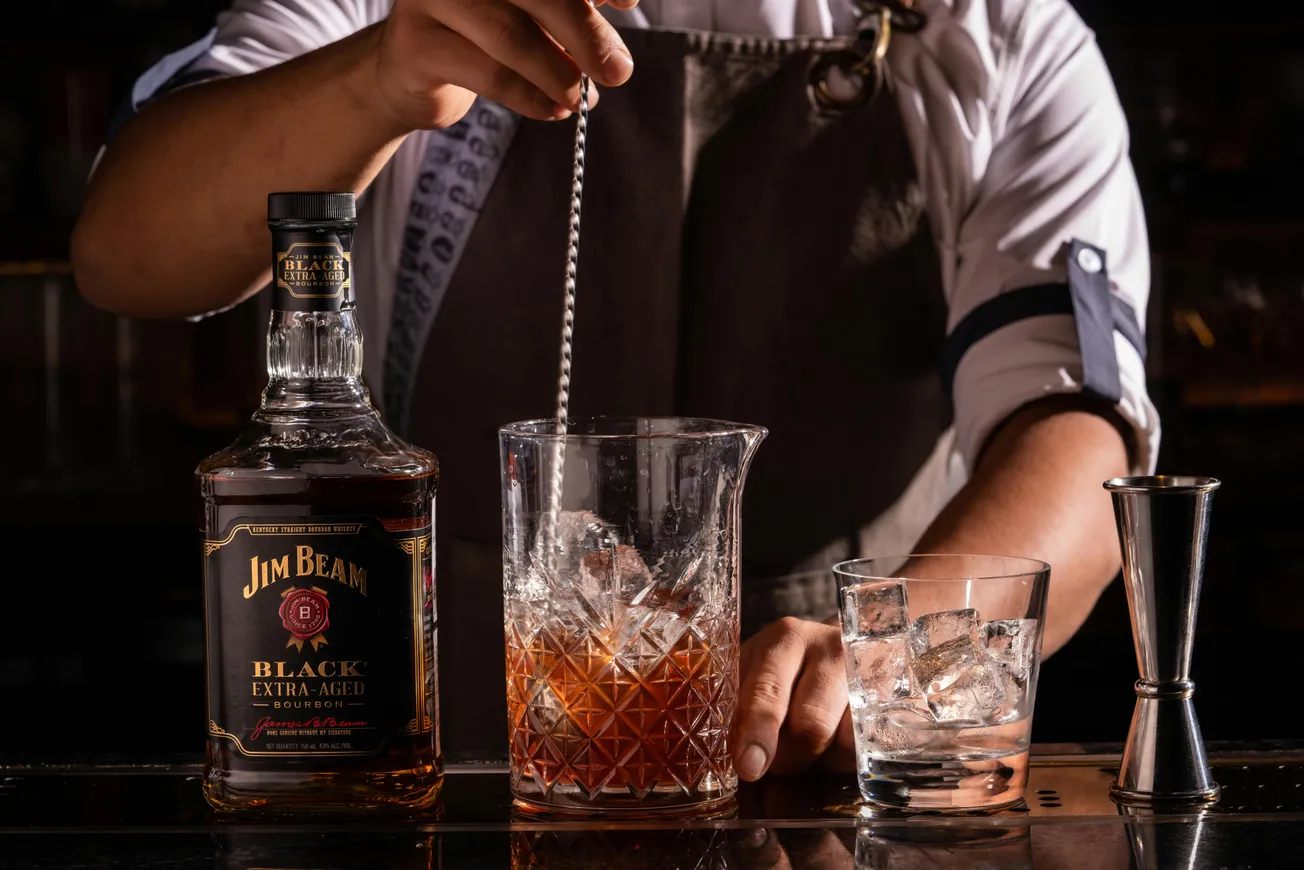
Jim Beam, the iconic bourbon maker, is temporarily halting production at its main Kentucky distillery throughout 2026 as the U.S. spirits industry undergoes a period of significant disruption. The pause, announced by the company and reported by Supply Chain Dive, reflects broader challenges including declining consumer demand, rising inventories, and external economic pressures.
Starting January 1, 2026, Jim Beam’s flagship distillation operations at the historic Clermont facility will be put on hold for a full year while the company reassesses production needs and invests in enhancements to the site. Despite the production pause, other critical functions at the distillery will continue.
Bottling, warehousing, and the James B. Beam Distilling Co. visitor center and restaurant will remain open, and distillation at smaller facilities, including the Fred B. Noe craft distillery and the Booker Noe distillery in Boston, Kentucky, will continue.
Conversations with labor union leadership are underway to determine workforce utilization during this transition.
The decision comes as the bourbon and broader spirits sector grapples with weakening alcohol consumption trends in the U.S., record levels of inventory aging in Kentucky warehouses, and export challenges tied to international tariff tensions.
The Kentucky Distillers’ Association reports more than 16 million barrels of bourbon in storage—a historic high—while export volumes for American distilled spirits declined sharply in 2025 amid trade disputes and retaliatory tariffs from key markets like Canada.
This inventory glut, coupled with softened domestic demand, has put pressure on producers to align output with consumption realities.
Jim Beam’s strategic production pause illustrates how established brands are adjusting to a changing market environment.
Rather than shutting down operations entirely, the company is leveraging this period to optimize facilities and better match production levels with future demand, while maintaining customer engagement through visitor experiences and ongoing operations at other sites.
This move not only underscores the importance of flexibility within supply chain and production planning but also highlights the evolving dynamics of the U.S. bourbon market amid economic and policy shifts.