
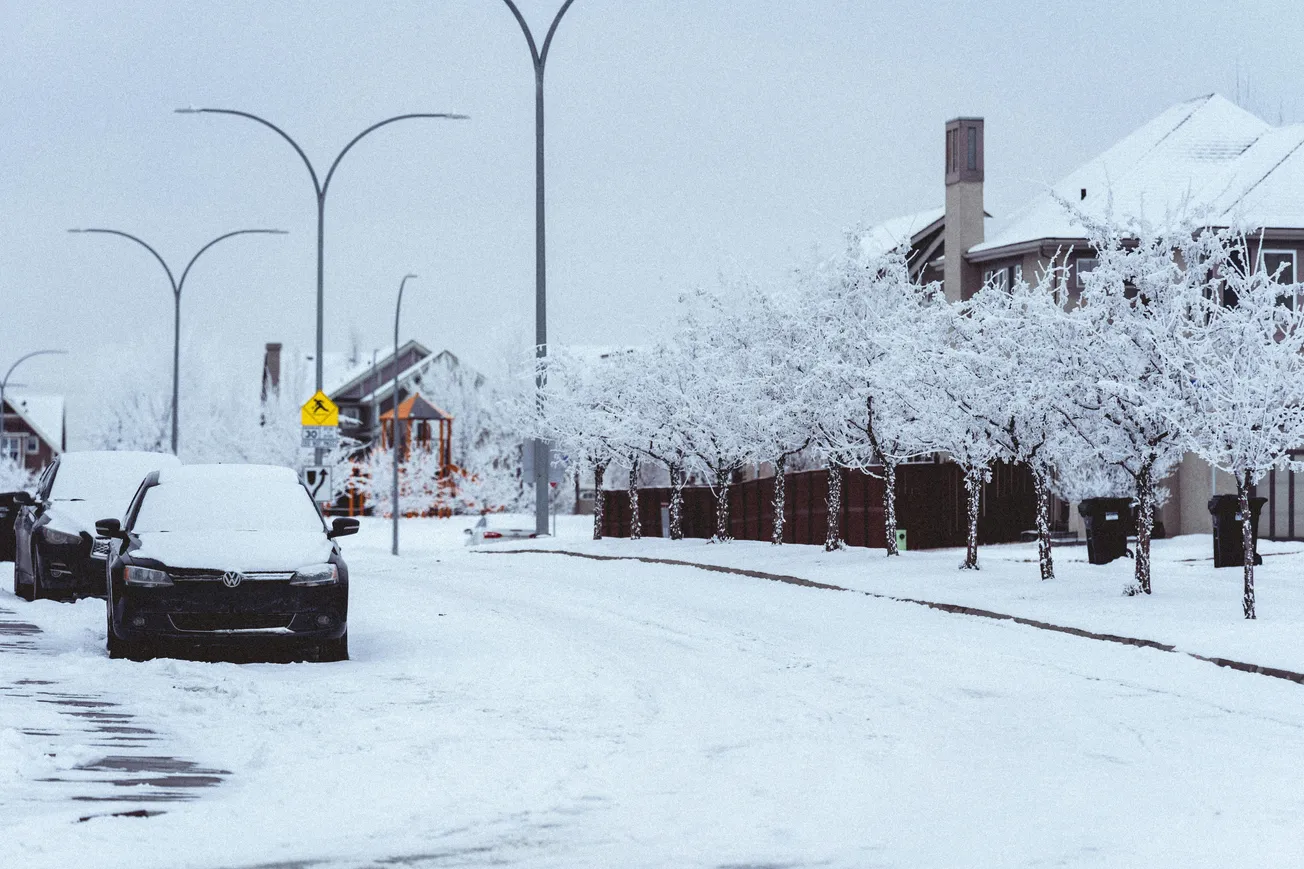
January 2026 proved to be a challenging month for U.S. retailers as severe winter storms and extreme cold weather across broad swaths of the country kept consumers indoors, disrupted foot traffic, and weighed on typical post‑holiday spending patterns. The combination of harsh weather and regional disruptions contributed to slower retail sales growth and notable declines in discretionary category performance.
According to retail analytics firms tracking February data, nominal retail sales growth slowed sharply in January after a robust December, with colder‑than‑normal weather in the South and other regions dampening both in‑store and online shopping activity. Consumables and essential channels showed stronger performance, while discretionary spending — particularly at category specialists — lagged.
Harsh Weather Keeps Shoppers at Home
Across many states, winter storms brought snow, freezing rain, and treacherous travel conditions that kept populations off the roads and away from storefronts. Meteorological data show significant impacts from systems moving through the Midwest, South, and Northeast in mid‑ to late‑January, with states declaring weather emergencies and transportation networks stretched.
With consumers focused on safety and shelter, foot traffic to brick‑and‑mortar stores declined. Research on past winter weather events highlights dramatic drops in physical retail traffic — sometimes approaching 30% — when temperatures plunge and hazardous conditions arise.
Shift Toward Essentials and Stock‑Up Buying
Rather than discretionary shopping, many consumers prioritized essentials like groceries, batteries, and cold‑weather gear in the days leading up to major storms. Reports from several states show shelves at major retailers being cleared of staples such as bread, milk, and eggs as panic buying took hold ahead of predicted severe conditions.
This shift toward consumables and away from discretionary categories contributed to uneven retail performance, with essential sectors posting relative gains while overall sales momentum slowed.
Supply Chain and Delivery Disruptions
Winter weather also affected logistics and supply chain operations that support retail. Snow‑ and ice‑related road closures, flight cancellations, and hazardous conditions slowed deliveries and clearance of inbound shipments, complicating inventory management for retailers mid‑month.
Past analysis shows that severe winter storms can have more disruptive impacts on freight and transportation networks than even some major hurricanes, affecting both inbound and last‑mile deliveries.
These disruptions not only inhibit restocking but also influence consumer experience, especially where retailers rely on rapid delivery expectations.
Retail Sales Figures Reflect Seasonal and Weather Effects
Government and private data indicate that U.S. retail sales declined on a month‑over‑month basis in January, with a drop larger than economists had expected. Factors included cold weather and storm impacts keeping shoppers away from stores and dealerships, particularly in discretionary categories such as auto, furniture, and home goods.
Analysts caution that while winter weather can depress monthly figures, these effects often reflect short‑term seasonal volatility rather than longer‑term shifts in consumer demand. Some seasonal adjustments in the data underscore the expected January softening after December’s holiday peak.
Strategic Implications for Retailers
Extreme weather highlights the importance of weather‑adaptive strategies for retailers, including dynamic staffing, inventory positioning, and supply chain resilience planning. Retailers increasingly integrate weather analytics into forecasting models, inventory planning, and promotional scheduling to better anticipate and respond to these disruptions.
By understanding how winter conditions alter consumer behavior and operational performance, retailers can adjust staffing, promotion timing, and logistics planning to cushion the impact of severe weather on sales and service levels.
January 2026’s winter storms delivered a stark reminder that weather remains a powerful variable in the retail and supply chain landscape. While essential spending held up relatively well, overall retail growth slowed as harsh conditions kept discretionary shoppers home and complicated deliveries. For retail leaders, it underscores the need for weather‑informed planning and resilient operations in an increasingly climate‑volatile environment.