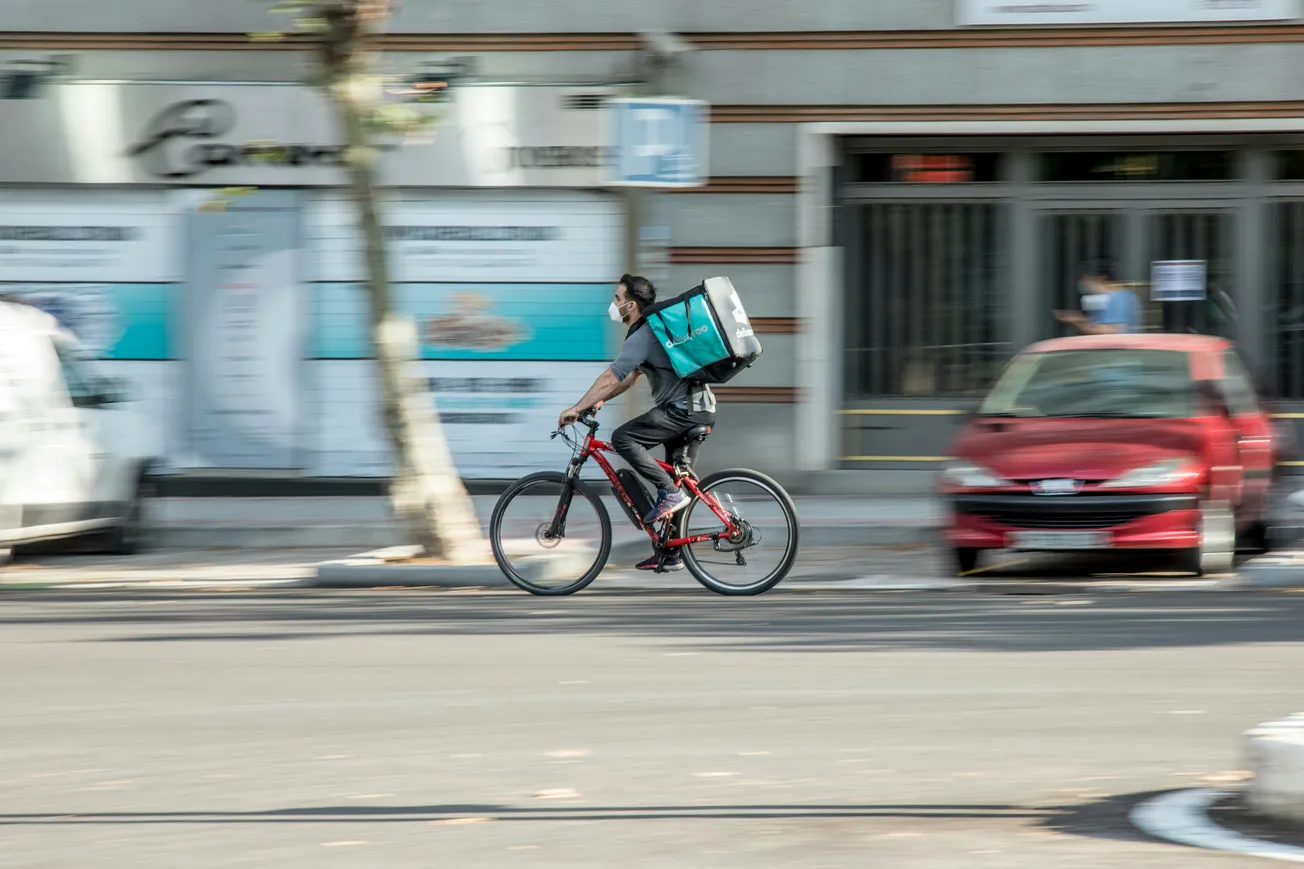
In the evolving landscape of the global gig economy, Italy has emerged as a primary battleground for labor rights. On February 26, 2026, new reports highlight a stark disconnect: while delivery riders are consistently winning "employee status" in high-level courtrooms, the day-to-day reality on the streets remains fraught with instability. This "legal win, street loss" phenomenon underscores the immense challenge of regulating algorithmic management in a fast-paced, omnichannel retail environment.
The Italian Supreme Court recently upheld a pivotal decision (Sentenza n. 28772/2025) classifying riders as "externally organized collaborators." This designation effectively subjects platforms to the rules of subordinate employment, mandating protections that include set wages, insurance, and dismissal protocols. However, for the thousands of riders navigating Rome, Milan, and Turin, these judicial victories have yet to translate into a tangible shift in their economic security.
Winning in the Courtroom: The Subordination Precedent
The core of the legal debate centers on "hetero-organization"—the degree to which a digital platform controls the timing, location, and execution of work. Italian courts have ruled that because apps use GPS tracking, real-time route instructions, and performance metrics to guide riders, the relationship is one of subordination, regardless of the riders' use of personal bicycles or their ability to work for multiple apps.
This judicial reasoning prioritizes organizational control over formal contractual labels. For corporate strategists and logistics leaders, this represents a significant shift in risk assessment. In Bentonville and beyond, the precedent set in Italy serves as a warning for platforms that rely on "independent contractor" models while maintaining strict algorithmic oversight. As Italy anticipates the full transposition of the EU Platform Work Directive, the legal "presumption of subordination" is becoming the new global standard.
Losing on the Streets: The Algorithmic Reality
Despite these legal advancements, the "streets" tell a different story. Riders report that platforms have adapted to rulings by introducing more complex algorithms that subtly penalize those who do not maintain high "reliability" scores. While companies like Just Eat have transitioned thousands of riders to employee contracts to comply with local prosecutors, others have utilized the flexibility of "on-demand" work to keep labor costs low during market fluctuations.
Furthermore, the physical risks of the job—weather, traffic, and high-pressure delivery windows—remain unchanged by court documents. The "winning in court" phase has largely addressed back-pay and social security contributions, but it has not yet solved the "losing on the streets" issues of job intensity and the "disconnection" threat. For many riders, the fear of being de-prioritized by an algorithm remains more immediate than the promise of a future court settlement.
Lessons for the Omnichannel Ecosystem
The situation in Italy offers a critical case study for the omnichannel retail sector. As the interconnection between brands and consumers becomes increasingly digital, the labor that powers the "last mile" is coming under unprecedented scrutiny. To build a sustainable ecosystem, leaders must address the barriers of labor instability and find ways to integrate human-centric protections into their technological frameworks.
In Bentonville, home to the world’s leading retail and logistics experts, the Italian dilemma highlights the importance of asking the right questions about labor ethics. If the "symphony of experts" across the supply chain can coordinate to solve delivery speed, they must also coordinate to ensure the workers delivering those products are not left behind by the very technology that organizes them.
More about government:
 Staff Report
 Staff Report
 Staff Report