The outbreak of a full-scale conflict involving Iran in early 2026 has sent shockwaves through the global economy, triggering what analysts describe as the "biggest ever" disruption to international supply chains.
Following coordinated military operations by the United States and Israel against Iranian military and nuclear infrastructure, the subsequent closure of the Strait of Hormuz has paralyzed a critical artery of global commerce. For the omnichannel retail sector, which relies on the seamless movement of goods across borders, the impact is immediate and profound.
A Chokepoint in Crisis
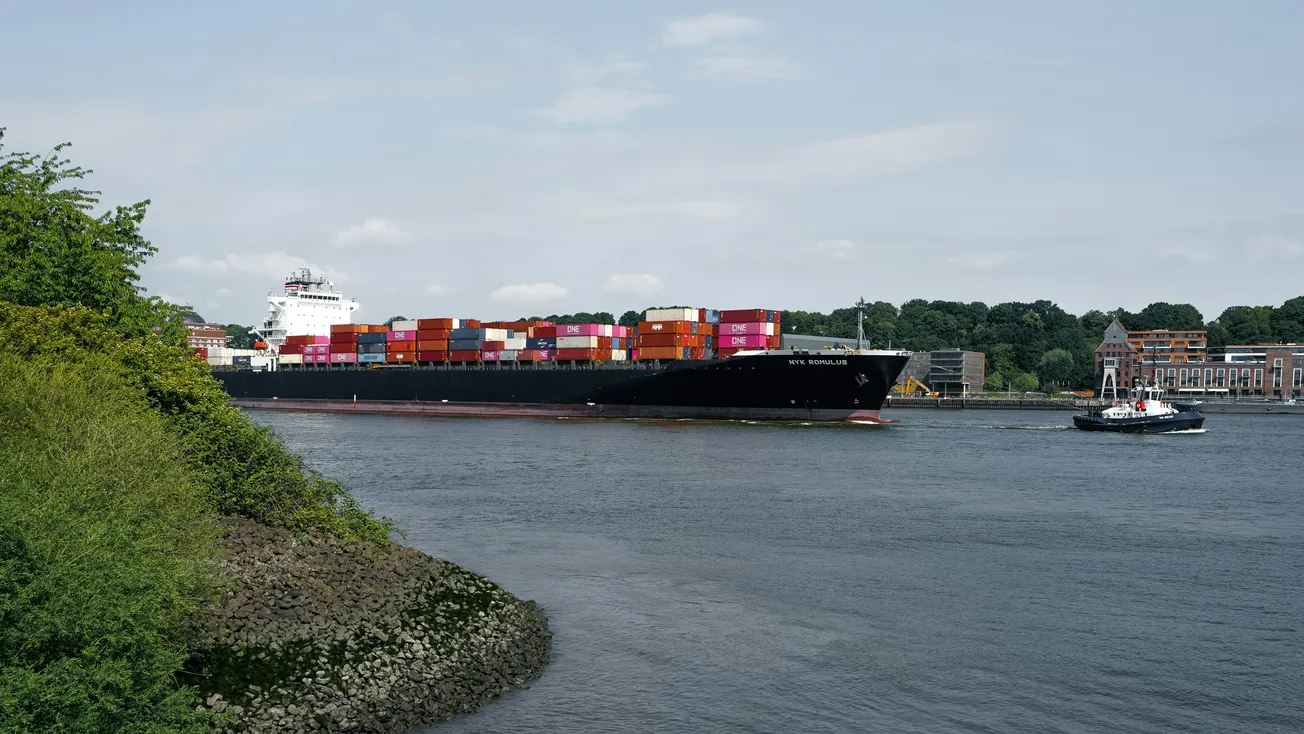
The Strait of Hormuz serves as the primary maritime gateway for roughly 20% of the world’s seaborne oil supply and a significant portion of liquefied natural gas (LNG). With major ocean carriers like Maersk and HMM suspending transits through the Persian Gulf, nearly 170 container ships have reportedly been trapped or rerouted. According to reports, this effective blockade forces vessels to divert around the Cape of Good Hope, adding approximately 3,500 nautical miles and over $1 million in fuel costs per voyage.
These logistical hurdles extend beyond maritime trade. Global air cargo capacity has dropped by an estimated 18% in a single week as Iranian strikes damaged key regional hubs in Dubai and Bahrain. For Bentonville-based retailers and global vendors who utilize these hubs for time-sensitive electronics and high-value consumer goods, the resulting capacity crunch is driving up spot rates and extending delivery windows.
Economic Ripples Across Retail and Manufacturing
The war is not just a shipping crisis; it is an energy and manufacturing crisis. As oil prices surge—with some analysts at Thomson Reuters warning of potential spikes to $120 per barrel—the cost of production for plastics, textiles, and chemicals is rising. In the construction and electronics sectors, the conflict has stranded essential raw materials like aluminum and microchips intended for 2026 production cycles.
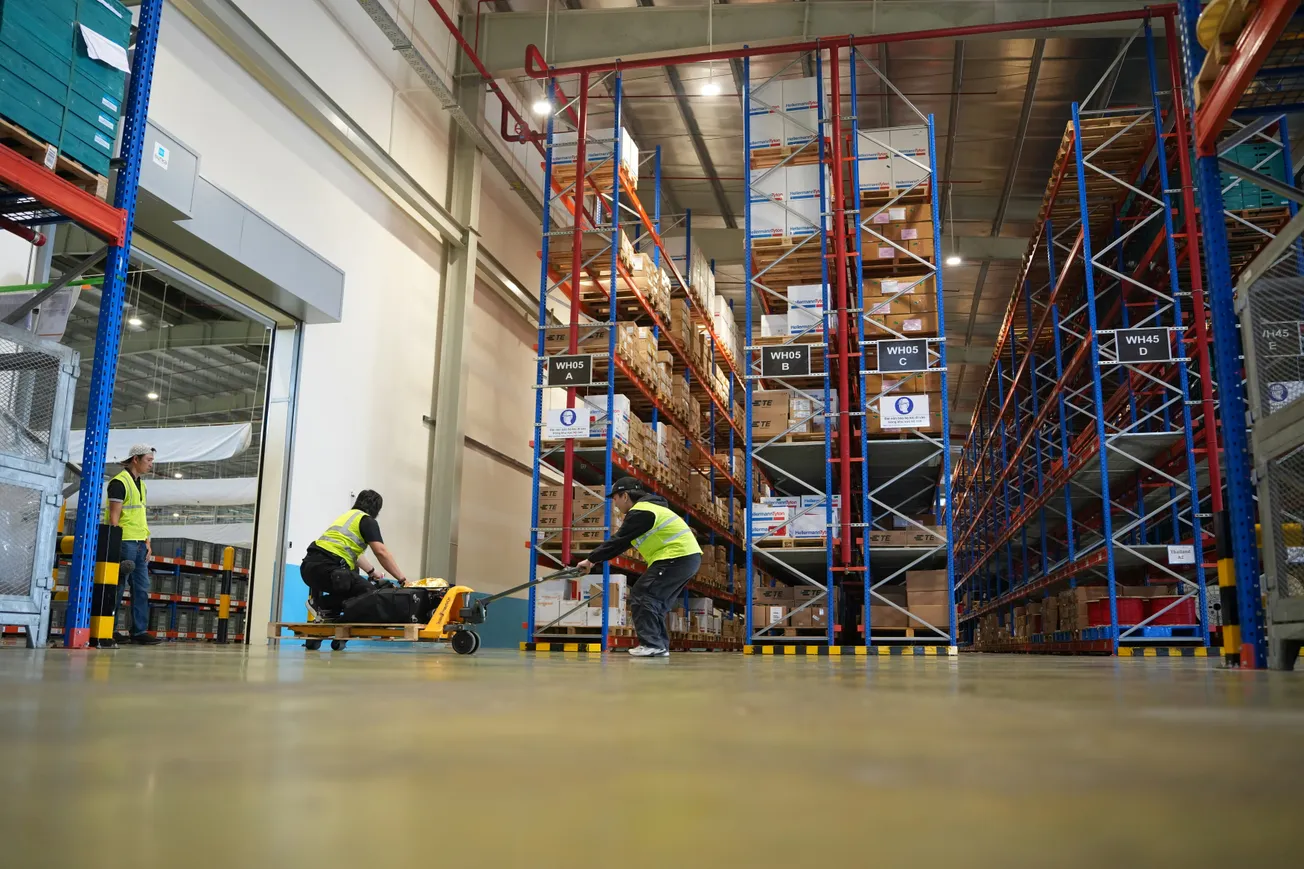
For the omnichannel shopper, these back-end disruptions translate into visible front-end challenges. Rising fuel prices serve as a frequent psychological trigger for consumer caution, often leading to reduced discretionary spending. Retailers already navigating a complex landscape of tariffs and labor shifts must now account for "conflict surcharges" that major logistics providers are imposing to mitigate the risks of operating in high-tension zones.
Strategic Resilience in a Volatile Landscape
The current crisis underscores the fragility of "just-in-time" supply chains. Industry leaders are being urged to move from fixed delivery dates to flexible "delivery windows" and to audit their exposure to Middle Eastern dependencies immediately. Expert analysis from the LMA Consulting Group suggests that companies must prioritize regional diversification and build "cultures of resiliency" to survive a conflict that may last months rather than days.
Furthermore, the conflict has highlighted digital vulnerabilities. Recent drone strikes on regional data centers have disrupted cloud services, impacting AI advancements and communications networks critical to modern retail operations. Cyber warfare targeted at shipping tracking systems has further complicated the ability of logistics managers to predict arrivals, making real-time inventory visibility a paramount concern for stakeholders.
Long-Term Outlook for Global Commerce
The duration of the conflict will ultimately determine the severity of its economic footprint. If the Strait remains closed for more than 30 days, modeling suggests an overwhelming recession risk for major importing economies. For the Bentonville business community and global retail partners, the focus remains on securing alternative freight capacity and leveraging technology to mitigate the cascading delays that are now moving through the global trade lanes.
As the situation remains fluid, the priority for retail leadership is clear: transparency and adaptability are the only tools effective against a disruption of this magnitude.
More about Middle East conflict:
 Staff Report
 Staff Report
 Staff Report